Key Takeaways
- Cost-Benefit Analysis (CBA) helps compare projects by weighing costs against benefits in monetary terms.
- Net Present Value (NPV) is a key indicator of whether an initiative is worthwhile.
- Accurate data, clear assumptions, and stakeholder input improve reliability.
- Intangible benefits and future uncertainty are common challenges.
- CBA is most effective when used alongside qualitative judgment and other evaluation tools.
Understanding Cost-Benefit Analysis
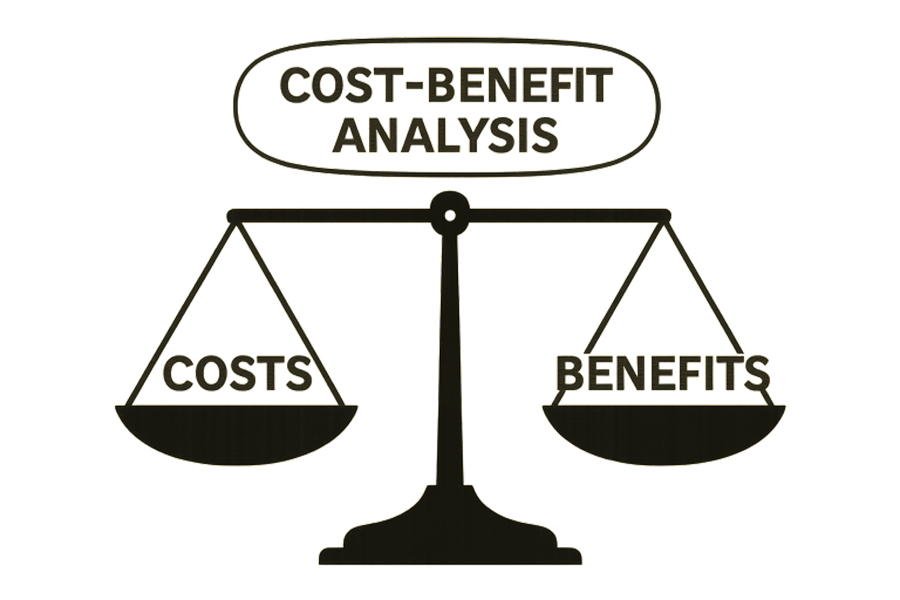
Decision-makers face growing pressure to allocate resources efficiently, especially when evaluating projects, policies, or investments. Cost-Benefit Analysis (CBA) offers a systematic approach to this challenge by rigorously quantifying both the costs and the benefits associated with proposed initiatives. The core idea behind CBA is straightforward: by converting all anticipated outcomes, both positive and negative, into monetary terms, organizations can objectively compare competing alternatives. The methodology holds significant importance in fields as diverse as business, public policy, and community development. For those seeking deeper expertise or consultation, the Stratford Analytics economic impact analysis service exemplifies the value of professional guidance in this area.
At the heart of CBA lies a commitment to making transparent, evidence-driven decisions. Decision-makers rely on this analysis to weigh the financial, social, and economic outcomes of their choices, ensuring that resources are directed toward initiatives that promise the greatest net benefit. The value of this approach is particularly apparent in an age of limited budgets and heightened accountability. Whether guiding a new infrastructure investment or refining a government policy, CBA provides clarity amidst the complexities of contemporary decision-making.
While the process is robust, its success hinges on careful assessment of all potential impacts, including both clear financial measures and less tangible benefits. Policymakers, business leaders, and nonprofit executives alike have adopted CBA as an essential decision-making framework, helping them avoid costly missteps and maximize overall returns. The broader application of this technique has advanced public understanding of how thoughtful evaluation can drive better outcomes for all stakeholders.
Key Components of CBA
A comprehensive Cost-Benefit Analysis breaks down into critical building blocks, each vital to ensure accuracy and reliability:
- Identification of Costs and Benefits:All direct, indirect, and sometimes intangible costs and benefits must be fully cataloged. This process may involve detailed stakeholder interviews, literature reviews, and data mining exercises.
- Monetary Valuation:Once identified, each cost and benefit is assigned a dollar value. This includes not just immediate or obvious expenses but also projected future flows and hard-to-measure social or environmental impacts.
- Discounting Future Values:Because money typically loses value over time, future costs and benefits are “discounted” to present terms. The choice of the discount rate can significantly affect how attractive a project appears.
- Net Present Value (NPV):The final step aggregates all monetary values, subtracting the present value of costs from the present value of benefits. If the NPV is positive, the project is generally considered worthwhile.
Steps to Conduct a Cost-Benefit Analysis
CBA works best when following a clearly defined process. Here are the core steps that guide practitioners from concept to conclusion:
- Define the Project Scope:Articulate precise objectives and limitations before gathering data, ensuring analysis stays tightly focused.
- Identify Costs and Benefits:List every foreseeable cost and benefit, considering both tangible and intangible factors. Input from relevant experts and stakeholders can prove invaluable at this stage.
- Assign Monetary Values:Use market prices, comparable case studies, or specialized valuation techniques to give each factor a concrete price tag.
- Choose a Discount Rate:Select a rate that reflects the time value of money and the project’s risk profile. Economic literature and government standards often guide this choice.
- Calculate NPV:Using the previously collected data, tally total discounted benefits and costs to yield the Net Present Value.
- Perform Sensitivity Analysis:Test how changes in assumptions or key variables affect results to identify vulnerabilities and risks.
- Make an Informed Decision:Use NPV and sensitivity insights as the primary inputs for the final project decision.
Common Challenges in CBA
Several hurdles can stand in the way of a successful Cost-Benefit Analysis. One major challenge is estimating intangible benefits, such as improved societal health or increased social cohesion. Making these “soft” impacts meaningful in monetary terms often requires sophisticated models and expert judgment.
- Estimating Intangible Benefits:Benefits like environmental protection or enhanced public welfare lack clear market prices, creating ambiguity.
- Forecasting Accuracy:Predicting future costs and outcomes introduces uncertainty and the risk of error.
- Bias in Estimates:Human tendencies toward optimism or strategic misrepresentation may distort assumptions, leading to unrealistic appraisals.
Awareness of these pitfalls is crucial, as even the most rigorously structured CBA can be undermined by poor-quality data or flawed assumptions. Guidance from experienced analysts and external reviews can help ensure more balanced outcomes.
Best Practices for Effective CBA
Certain practices can elevate the reliability and impact of any Cost-Benefit Analysis:
- Use Reliable Data:Base findings on solid evidence and the best available research to provide a credible foundation for analysis.
- Engage Stakeholders:Involve affected groups early and throughout the process to uncover hidden impacts or overlooked details.
- Conduct Sensitivity Analysis:Regularly test how results change with varying assumptions or variables.
- Document Assumptions:Keep a detailed record of all assumptions and methodologies to ensure transparency and facilitate easier future reviews.
Limitations and Considerations
Despite its strengths, CBA cannot capture every important consideration. Qualitative factors such as cultural value or social equity often resist meaningful quantification, yet hold profound significance in decision-making. Moreover, small changes in the chosen discount rate can greatly affect calculated outcomes, prompting calls for sensitivity analysis and complementary evaluation methods. Recognizing these limitations pushes organizations to view CBA as just one tool in a broader decision-support toolkit.
Final Thoughts
Cost-Benefit Analysis empowers organizations to pursue projects and initiatives with the confidence that comes from methodical, evidence-based evaluation. When used thoughtfully and transparently, CBA can transform how leaders allocate resources and plan for the future. However, a commitment to best practices, complete data, and ongoing reflection is essential to ensure the analysis delivers on its promise for all stakeholders.