Key Takeaways
- Ensure immediate safety and assess everyone for injuries before doing anything else.
- Gather thorough documentation at the accident scene, including photos and witness information.
- Contact your insurer right away and provide only factual, objective details about the incident.
- Consult a legal professional for advice on protecting your rights and seeking appropriate compensation.
Being involved in a car accident is an unexpected and stressful event. The first 24 hours after a collision are critical for protecting your personal safety, safeguarding your legal rights, and ensuring a smoother financial recovery. Knowing the correct steps to take can make a significant difference in both the immediate and long-term outcomes. If you find yourself feeling unsure or overwhelmed about what to do next, contacting a qualified car accident lawyer can provide valuable guidance and help you navigate complicated situations effectively.
Responding thoughtfully and systematically after an accident not only helps prevent further harm but can also strengthen your claims with insurance companies or in potential legal cases. Following the proper actions right away can be the difference between a frustrating ordeal and a well-managed recovery process. This comprehensive guide walks you through the most essential steps to take in the moments and hours after a vehicle accident, helping you stay calm, organized, and protected.
Ensure Safety and Seek Medical Attention
Your first priority after any car accident should be safety. Check yourself and passengers for injuries and move to a safe area out of traffic if you can do so safely. Turn on your hazard lights to make your vehicle visible and minimize the risk of further incidents. Even if you think you have not been hurt, it is wise to get a medical evaluation immediately. Some injuries, including head trauma and soft tissue injuries, can take hours or days to become apparent. Prompt medical attention not only facilitates recovery but also provides vital medical documentation for insurance or legal proceedings. Hidden injuries like concussions may not show symptoms right away but require immediate attention for the best outcomes.
Contact Law Enforcement
No matter how minor an accident seems, contacting law enforcement is an essential step. A police officer will create an official record of the accident, which can prove vital if there are disputes about what happened. Make sure to request the officer’s name and badge number who responds, and ask how to obtain a copy of the accident report. In many cases, the insurance claim process can be delayed or complicated if there is no police report to confirm important details and document the scene objectively. If law enforcement cannot attend the scene, visit the nearest police station to file a report yourself as soon as practical.
Document the Accident Scene
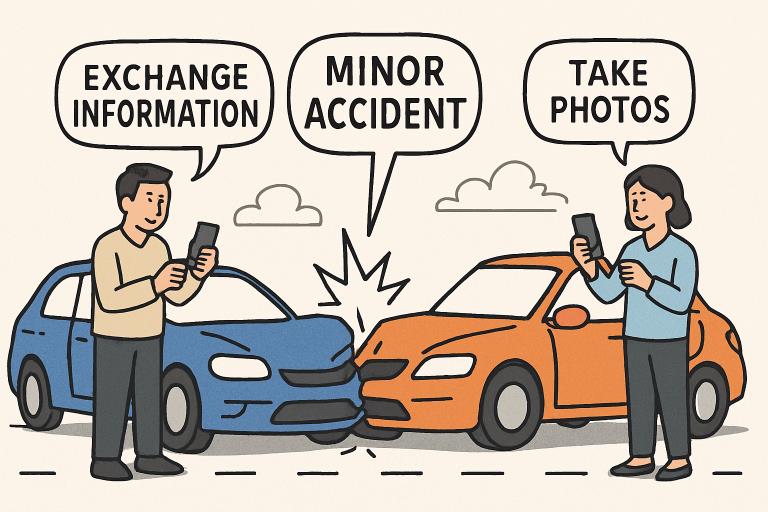
Thorough documentation can make a substantial difference in any car accident claim. Use your smartphone or camera to capture clear photos of all vehicles involved, their positions, visible damages, license plates, traffic signals, road conditions, and any other contributing factors at the scene. Photograph any skid marks, debris, or landmarks to add important context. Taking wide shots of the general area and close-ups of the damage provides a complete picture. If possible, record video footage for added detail. Alongside visual documentation, write down the time, date, weather conditions, and the sequence of events as you remember them. If there are any witnesses, collect their contact information in case you need their statements later. Properly collected evidence can significantly impact your case’s outcome when dealing with insurers or in court.
Exchange Information with Other Parties
Exchange essential information with every other driver involved in the incident. Details to gather include full names, addresses, phone numbers, driver’s license numbers, license plate numbers, vehicle makes and models, and insurance policy details. Remain polite and factual during these exchanges. Do not discuss who was at fault or make statements that could be seen as admissions of liability. Sticking to the facts will help protect your interests throughout any subsequent investigations or negotiations.
Notify Your Insurance Company
Contact your insurance provider as soon as possible after leaving the accident scene. Provide only the facts you have collected and avoid speculating about the cause or admitting fault. Many insurance companies require prompt notification of an accident to begin the claims process. Failing to notify your insurer quickly may result in delays or even affect your ability to receive compensation. Ask your representative what documentation or next steps they require to process your claim efficiently.
Consult with a Legal Professional
Seeking advice from an experienced attorney can offer critical protection for your rights after an accident. A skilled legal professional can assess your situation, advise you on your options, and represent your interests in claims or negotiations. They are especially helpful if you experience resistance from an insurance provider, face questions about liability, or encounter legal complexities. Taking early legal advice minimizes the risk of common mistakes that could weaken your case or reduce your potential compensation.
Monitor Your Health
Continue tracking your physical and emotional well-being for several days after the accident. Injuries sometimes emerge gradually, and symptoms like pain, dizziness, or emotional distress should be documented thoroughly. Keep notes of any changes and follow up with your doctor for further evaluations if new symptoms arise. Accurately documenting your ongoing health condition is valuable for both your personal well-being and any injury-related claims. If you would like more information on how to identify and manage symptoms following a car accident, consult the resources available at WebMD’s whiplash guide. Staying proactive about your recovery can help prevent complications and support a smoother healing process. Remember, early attention to new or worsening symptoms can make a significant difference in long-term outcomes.
Maintain Organized Records
Keeping all documents related to the accident in order is an important step that simplifies both the insurance process and any legal action that may follow. Store copies of the police report, medical evaluations, correspondence with insurers, receipts for repairs, prescription costs, and any other relevant paperwork in a dedicated folder. Organized records not only expedite your claims but also provide strong evidence if any disputes or litigation arise.
By following these essential steps during the first 24 hours after a car accident, you can safeguard your health, improve your chances for a fair insurance settlement, and ensure your legal rights remain fully protected. Careful preparation and timely action can turn a disruptive event into a manageable situation with the right support and information.