Restoring your entire smile with full-mouth dental implants is a significant step, not only for your dental health but also a substantial financial commitment. With numerous factors influencing the final price, understanding the actual costs is crucial for anyone considering this transformative solution. Many patients considering this restoration are seeking accurate guidance on Full Mouth Dental Implant Cost Dallas TX to help them make informed decisions about their oral health and budget.
Because dental implants replace missing teeth with a stable, permanent solution, the investment in this procedure lasts for decades. However, several details—from the location of the dental practice to the materials used and your personal oral health needs—all affect what you’ll pay overall. This guide provides a comprehensive cost breakdown and highlights key factors to consider, enabling you to plan a confident path forward.
Full-mouth dental implants are gaining popularity as a long-lasting treatment option for patients with failing teeth or extensive tooth loss. While not everyone is a candidate, for those with sufficient jawbone and good health, they can be life-changing, offering a confident smile, improved chewing, and better speech.
To ensure you’re prepared, it’s helpful to look beyond just the base price and delve into the full investment in dental implants.
What Are Full Mouth Dental Implants?
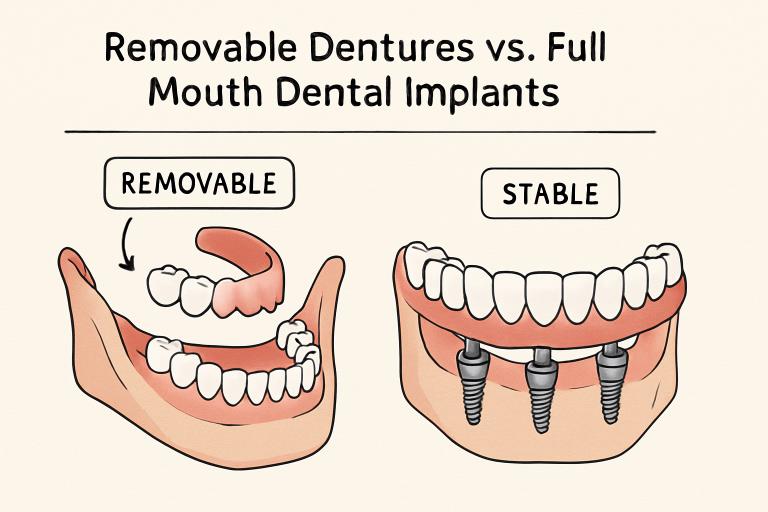
Full-mouth dental implants refer to the process of replacing all teeth in both your upper and lower jaws with permanently secured prosthetics. Instead of using removable dentures, dental implants feature titanium or zirconia posts anchored directly into your jawbone. These posts support full arch bridges or dentures that function and feel as close to natural teeth as possible. The results provide improved appearance, long-lasting durability, and the ability to eat and speak without restriction.
Average Cost Breakdown
The price of full-mouth dental implants can vary significantly depending on your unique case, the dentist’s experience, and any accompanying procedures that may be required. Here’s a general breakdown:
- Single Dental Implant:$3,000 to $6,000 per tooth
- Full Arch (Upper or Lower):$15,000 to $30,000 per arch
- Complete Mouth Restoration:$30,000 to $60,000 for both arches
It’s essential to note that these estimates typically include the implant posts, abutments (connecting pieces), and the final prosthetic teeth, but may not account for additional treatments, such as X-rays, bone grafts, or sedation.
Factors Influencing the Cost
Several variables can increase or decrease your total treatment cost:
- Geographic Location:Prices fluctuate based on the local cost of living and demand in the specific area. Practices in bigger cities or affluent regions often charge more.
- Implant and Prosthetic Materials:Titanium implants are the standard, while zirconia—favored for its natural appearance—can be more expensive. The type and quality of the artificial teeth chosen will also influence the price.
- Complexity of the Case:Patients with bone loss or oral health issues may require bone grafts, sinus lifts, or tooth extractions, each of which adds to the total investment.
- Dentist’s Expertise:Highly experienced implant surgeons or prosthodontists may have higher fees, but the increased precision can yield better long-term results.
Insurance and Financing Options
Dentistry insurance policies rarely cover the entire cost of dental implant surgery, classifying it as an elective procedure. Exceptions may exist when implants are medically necessary following trauma or severe disease, but most plans only pay for a portion of the cost. Always coordinate with your insurance provider for clarity on your benefits and coverage.
If insurance won’t cover the full cost, several alternative routes can make full mouth dental implants more affordable:
- Dental Savings Plans:Discount memberships with participating providers.
- Health Savings Accounts (HSA) or Flexible Spending Accounts (FSA):Tax-advantaged funds can often be used to cover the cost of implants.
- Third-Party Financing:Companies like CareCredit structure monthly payment plans, often with low or no interest for qualifying patients.
Long-Term Value of Dental Implants
Full-mouth dental implants represent a significant initial investment; however, they are engineered for long-term durability, often lasting decades or even a lifetime when paired with diligent oral hygiene and routine dental check-ups. Unlike conventional dentures or bridges, which typically need replacement every five to ten years, implants offer a far more permanent solution with minimal maintenance. Beyond stability and longevity, implants play a crucial role in preserving jawbone density, helping to maintain facial structure and prevent the sunken appearance often associated with tooth loss. This makes them a wise, lasting choice for overall oral health.
Comparing Alternatives
Choosing the right solution for your needs means comparing the costs and benefits of other tooth replacement options:
- Traditional Dentures:Typically $1,000 to $3,000 per arch. Affordable upfront, but less comfortable, offering lower chewing efficiency and requiring frequent adjustment.
- Implant-Supported Dentures:Start at $15,000 per arch, offering much more stability and fewer dietary restrictions than conventional dentures.
- All-on-4 Implants:Range from $20,000 to $35,000 per arch, providing a fixed solution that utilizes only four implants per arch to support a complete set of prosthetic teeth. These may be a compromise for those seeking a blend of cost and permanence.
Conclusion
Full-mouth dental implants offer transformative benefits, providing patients with durable, functional, and aesthetically pleasing results that can significantly enhance their quality of life. While the upfront cost may seem substantial, taking the time to understand the procedure’s components, explore alternative options, and consider financing strategies can make planning more manageable and confident. It’s essential to think long-term benefits—such as durability, improved oral health, and enhanced comfort—alongside initial costs. Consulting with a skilled oral surgeon ensures a personalized treatment plan and accurate cost estimate, helping you make informed decisions that align with both your dental needs and financial goals.