Heating systems play a central role in everyday comfort, yet many homeowners only think about them once something goes wrong. Cold months put steady pressure on furnaces and heaters, which exposes weak points that may have gone unnoticed for years. Uneven temperatures, unexplained spikes in utility bills, and strange system behavior tend to surface at the worst possible time.
Brampton, Ontario, experiences extended heating seasons that leave little margin for delay when problems appear. Preparation and awareness make a meaningful difference. Clear knowledge of common heating challenges helps homeowners protect their comfort, avoid disruption, and reduce unnecessary expenses.
Uneven Heating Throughout the Home
Uneven temperatures rank among the most frustrating heating issues homeowners face. One room may feel perfectly comfortable while another remains stubbornly cold. Airflow restrictions usually sit at the root of this problem.
System design also plays a role, especially in homes with additions or altered layouts. Attention to airflow restores consistency and improves overall comfort. Simple steps such as clearing vents and scheduling airflow adjustments help ensure heat reaches every corner of the home without forcing the system to work harder than necessary.
Lack of Regular Heater Maintenance
Heating systems rely on many moving parts that gradually wear down over time. Minor issues often go unnoticed, allowing damage to accumulate quietly. In a city like Brampton, where winter temperatures can put consistent strain on home heating systems, dust buildup, loose components, and aging connections can reduce performance long before a complete breakdown occurs. Regular maintenance helps catch these problems early, keeping the system efficient and dependable.
Professional inspections focus on critical components and identify hidden concerns before they escalate. Homeowners who prioritize routine care experience fewer disruptions and more reliable performance during extreme weather. If you’re looking for heater maintenance in Brampton, ON, choose professionals who can properly assess your system and address issues before they lead to breakdowns. This proactive approach not only improves comfort but also helps extend the lifespan of your heating equipment and reduce long-term repair costs.
Rising Energy Bills Without a Clear Explanation
Heating costs tend to increase when systems lose efficiency. Utility bills may climb even though household routines remain unchanged. Restricted airflow, worn components, and outdated controls force heaters to run longer cycles to meet temperature demands. Energy loss becomes gradual, which makes the cause harder to pinpoint without inspection.
Paying attention to billing trends provides an early warning sign of inefficiency. Maintenance, filter replacement, and performance checks help restore proper operation. Consistent efficiency keeps energy use predictable and prevents financial surprises during colder months.
Strange Noises Coming From the Heating System
Unusual sounds rarely indicate normal operation. Rattling, banging, or whistling noises suggest mechanical issues or airflow restrictions that deserve attention. Loose panels, shifting ductwork, or internal component wear can all create sound as the system operates.
Noise tends to worsen when ignored, leading to increased strain and potential damage. Addressing these warning signs early reduces repair complexity and protects long-term system health. Quiet operation signals a heating system that runs smoothly and efficiently.
Thermostat Problems and Inaccurate Readings
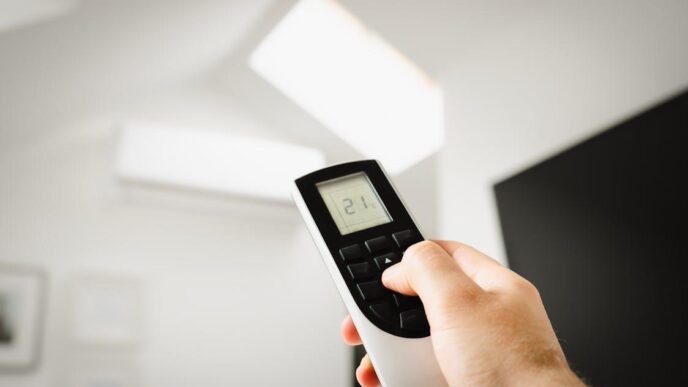
Thermostats serve as the communication bridge between homeowners and heating systems. Faulty readings disrupt comfort and waste energy by triggering unnecessary heating cycles. Placement near drafts, outdated sensors, or calibration issues causes inaccurate temperature control.
Comfort suffers when the system responds to incorrect information. Modern thermostats provide better accuracy and responsiveness when installed correctly. Clear communication between the thermostat and the heater allows consistent warmth and efficient performance throughout the home.
Poor Indoor Air Quality During Heating Season
Heating systems do more than regulate temperature. Air moves through the system repeatedly, carrying dust, allergens, and other particles along the way. Indoor air quality declines when filters clog or ductwork collects debris. Dry air also becomes more noticeable during the heating season, which affects comfort and respiratory health.
Clean filters and well-maintained components allow air to circulate properly and stay cleaner. Simple upkeep supports healthier breathing conditions while keeping the heating system from working under added strain. A comfortable home feels better when the air itself remains fresh and balanced.
Aging Heating Systems Losing Reliability
Heating equipment does not last forever, even with careful maintenance. Performance slowly declines as components age and efficiency standards change. Older systems may struggle to maintain consistent temperatures or require frequent service calls. Reliability becomes a concern once repairs become more common than routine checkups.
Evaluating system age and performance helps homeowners plan rather than react to sudden failure. Proactive decisions reduce stress and ensure comfort remains uninterrupted during colder months. Reliability matters most when demand stays high for extended periods.
Delayed Response to Early Warning Signs
Heating systems communicate problems early through subtle changes. Reduced airflow, longer heating cycles, and slight temperature fluctuations all signal developing issues. Ignoring these signs allows minor problems to grow into costly repairs or complete system failure. Prompt attention preserves performance and protects the system from unnecessary damage.
Homeowners who act early gain greater control over repair timelines and costs. Early intervention keeps comfort steady and avoids the disruption that comes with emergency service needs.
Practical Habits That Help Prevent Heating Issues
Consistent habits make a noticeable difference in how well a heating system performs over time. Filter checks every few months keep airflow steady and reduce strain on internal components. Vents stay effective when kept clear of furniture, rugs, and dust buildup. Thermostat settings benefit from small adjustments rather than frequent temperature swings, which helps the system operate smoothly.
Attention to unusual sounds or changes in performance allows problems to be addressed while they remain manageable. These simple actions support reliability and comfort without adding complexity to daily routines. Small efforts, applied consistently, protect the heating system and reduce the likelihood of unexpected disruptions.
Heating challenges rarely appear without warning. Small changes in performance, sound, or energy use point to issues that deserve attention. Prevention remains the most effective way to protect comfort, manage costs, and extend system lifespan.
Regular maintenance, awareness of system behavior, and timely action help homeowners avoid common heating frustrations. Comfort becomes more dependable when care stays consistent. A well-maintained heating system supports peace of mind throughout the colder months and keeps the home environment stable when it matters most.