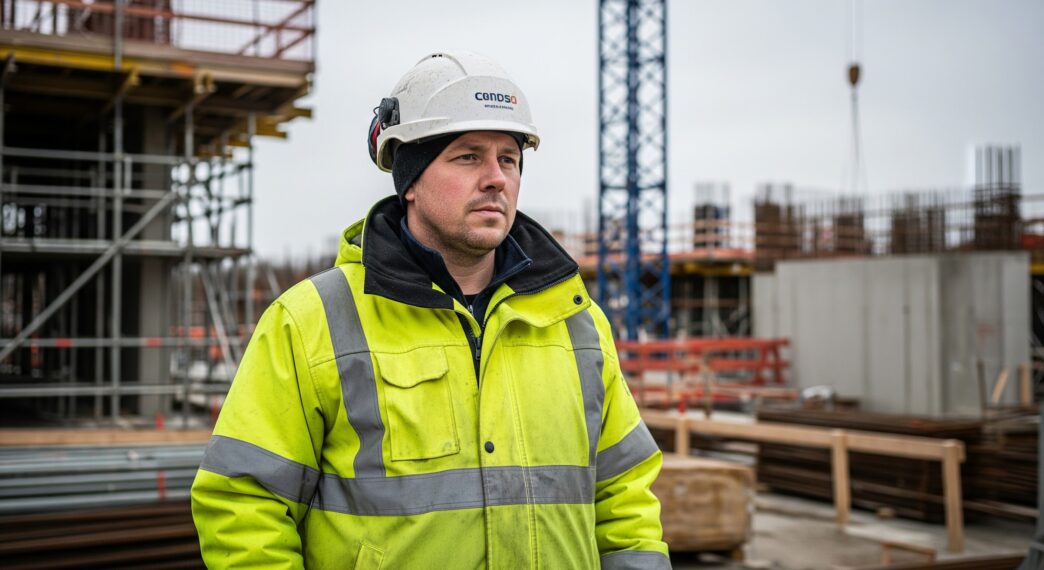
Customising safety workwear goes beyond a branding option and is a sign of professionalism and trustworthiness. The choice of embroidery or printing on hi-vis jackets can be a significant one since it is the first thing that a company is identified by when on-site. All the techniques have their own advantages that affect the longevity, cost, and appearance. The right choice will help your high-visibility gear look professional and will help it to withstand the stresses of everyday use.
The Appeal of Embroidered Branding
Embroidered hi-vis jackets bring a touch of craftsmanship and substance to professional uniforms. Threadwork delivers texture and a sense of permanence, which printed logos rarely replicate. Stitching also creates a tactile finish that stands out visually under work lighting or outdoor conditions. This approach suits organisations seeking a refined image, where every garment projects quality and dependability.
Embroidery weaves the design directly into the fabric, forming an integral part of the garment rather than sitting on the surface. That integration helps the design endure frequent washing, harsh weather, and everyday abrasion. It performs exceptionally well for logos or insignias that require bold definition and long-term durability.
Strength and Longevity
The strength of embroidery is one of the most appreciated characteristics. Threaded patterns seldom wear out, peel or tear even when under constant laundering. Where printed elements may display wear the stitching has remained untouched. This longevity also makes embroidered logos an advantage on outdoor wear that is often subjected to dust, moisture and mechanical friction.
Another advantage is colour stability. Embroidered threads maintain vibrancy over time, resisting the dulling effects of sunlight and detergent. That steadiness ensures brand consistency across multiple uniforms, which is critical for businesses emphasising uniform presentation.
Visual Depth and Texture
Embroidery also provides aesthetic richness in addition to endurance. Raised stitches create a sense of depth that creates a design that attracts the eye both in natural and artificial light. This aesthetic aspect can make brand more visible and add sophistication even to safety equipment.
But the textural finish may also be practically challenging. Thick threadwork can not always be as comfortable on light jackets and detailed logos can be bulky on thinner materials. The complexity of the design and the type of the garments should be balanced so that comfort is not sacrificed at the expense of presentation.
The Case for Printing
Printed branding, in contrast, excels in precision and flexibility. Modern printing techniques allow vivid colour gradients, intricate patterns, and photorealistic graphics that embroidery cannot achieve. The process suits detailed logos and promotional designs that require fine lines or small text.
Pigments are bonded to the surface of the fabric using the heat transfer and screen printing techniques, making it look smooth and uniform. The outcome is smooth and modern, especially when it comes to minimalist branding. Printing is also faster and less expensive to set up than embroidery and is best suited to large quantities or short term uniforms.
Balancing Cost and Practicality
The ultimate choice is usually determined by price. Printing is usually less expensive in the short-term, particularly in large quantities or complicated graphics. However, the longer life of embroidery can compensate its increased initial cost by lowering the replacement rate. Businesses with demanding outdoor operations might find embroidery more economical over time, while those needing fast turnaround for temporary staff could prefer printed solutions.
The issue of cleaning is also different. Embroidered garments can endure a rough washing cycle as opposed to printed jackets whose design needs gentle washing to maintain its surface. The distinction is high in settings where hygiene and maintenance practices are strict.
Comfort and Performance
Embroidery provides the wearer with texture and structure whereas printing provides the wearer with a smooth surface. A printed logo is lighter and can be used in hot weather or on loose-fitting outerwear. Conversely, embroidery is more robust and provides a sense of permanence even to the wearer.
The choice between them would mostly be based on the usage of the jacket. Embroidered branding portrays power and strength because it is visible and identifiable on construction sites. In promotional applications or light duty uniforms, printing provides a more modern look with very little weight.
Environmental Impact
Uniform design decisions are influenced more and more by sustainability. The printing inks have some eco-friendly formulas that are less harmful to the environment than the earlier solvent-based printing inks. Embroidery is more durable, but consumes more thread and energy per unit. It is possible to evaluate the efficiency of sourcing materials and production to align branding practices with environmental goals.
Finding the Right Fit for Your Brand
The priorities of your company will ultimately determine the best option. While printing provides artistic freedom and a contemporary flair, embroidery conveys tradition, strength, and professionalism. A hybrid strategy that combines printed images and embroidered logos can potentially combine the two benefits for unique outcomes.
Choosing the right technique means considering durability, comfort, maintenance, and presentation together. Whether you prefer the timeless quality of stitching or the versatility of print, a well-customised hi-vis jacket communicates more than a logo, it expresses the values and reliability behind every brand.