Choosing the right desk is about more than just finding something that fits your space. The desk you work at influences comfort, posture, productivity, and even how you feel during the day. With more people working from home or creating multi-purpose rooms, understanding the most common desk types can help you make a better decision.
From compact corner desks to adjustable options designed for movement, here’s a closer look at the desk styles you’re most likely to encounter and where each one works best.
Corner Desks: Making the Most of Small Spaces
Corner desks are a popular choice for home offices where space is limited. Designed to fit neatly into a corner, they make use of areas that might otherwise go unused. This makes them ideal for bedrooms, box rooms, or shared living spaces.
Many corner desks offer generous surface space thanks to their L-shaped design. This allows room for a computer, paperwork, and accessories without taking over the room. Some models also include built-in shelving or drawers, which helps keep clutter under control.
While corner desks are practical, they are best suited for single-screen setups and tasks that don’t require frequent movement.
Straight Desks: Simple and Versatile
Straight desks are the most traditional and widely used desk type. Their simple rectangular design makes them easy to place against a wall or in the centre of a room. This flexibility is one of the reasons they remain so popular.
They come in a wide range of sizes, materials, and finishes, making it easy to find one that suits both your space and your style. Straight desks work well in dedicated home offices, study areas, and even open-plan living spaces.
Because of their straightforward design, they’re also easy to pair with storage units, filing cabinets, or wall-mounted shelves.
Writing Desks: Lightweight and Minimal
Writing desks are typically slimmer and lighter than standard office desks. Originally designed for handwriting and light tasks, they are now commonly used for laptops, reading, or occasional work.
These desks often have little to no built-in storage, which contributes to their clean and minimal look. They’re a good option if you want a desk that blends into your room rather than dominating it.
Writing desks are especially popular in multipurpose rooms, where the desk needs to double as a console or dressing table when not in use.
Computer Desks: Built for Technology
Computer desks are designed with technology in mind. They often include features such as cable management holes, keyboard trays, and designated spaces for monitors or computer towers.
This desk type is well suited for users with more complex setups, such as dual monitors or desktop computers. The layout helps keep cables organised and equipment accessible, which can make a noticeable difference in everyday comfort.
However, computer desks can feel bulky in smaller spaces, so careful measuring is essential before choosing one.
Standing Desks: Designed for Movement
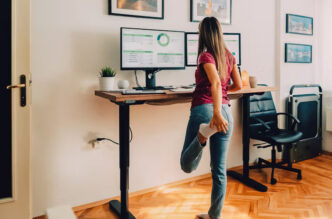
Standing desks have become increasingly popular as awareness grows around the effects of prolonged sitting. These desks allow users to work while standing, encouraging movement throughout the day.
Some designs are fixed-height, while others are adjustable, letting you switch between sitting and standing positions. A standing table can be particularly useful for people who experience back or neck discomfort when sitting for long periods.
Designers often recommend pairing standing desks with anti-fatigue mats and ensuring the desk height is correctly adjusted for comfort.
Adjustable and Sit-Stand Desks
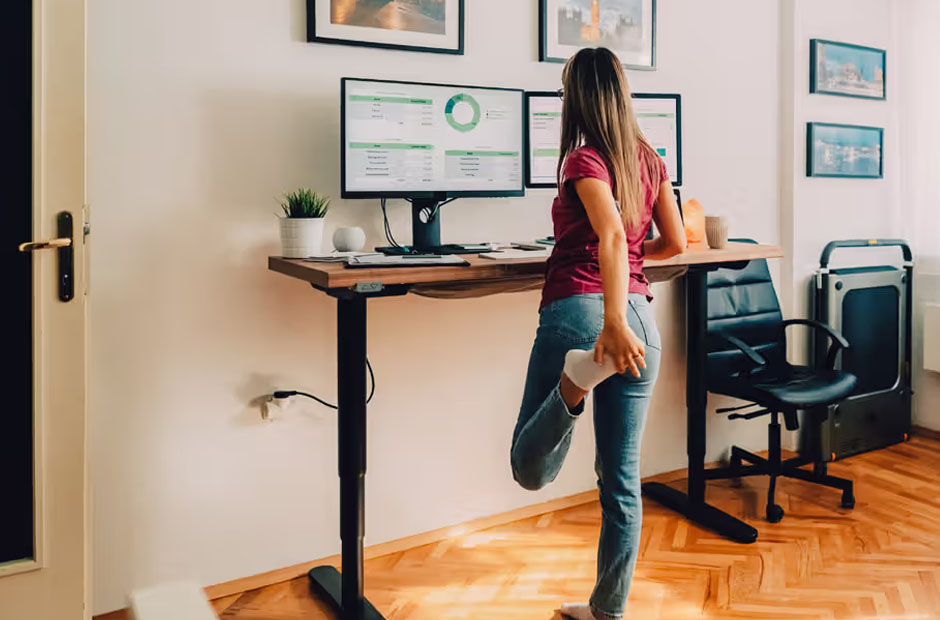
Adjustable desks offer the best of both worlds. With manual or electric height adjustment, they allow users to alternate between sitting and standing throughout the day.
These desks are well suited for long working hours and shared workspaces, as they can be customised to different users. Although they tend to cost more than fixed desks, many people consider them a worthwhile investment for comfort and flexibility.
Their clean, modern appearance also fits well with contemporary home office designs.
Executive Desks: A Statement Piece
Executive desks are larger and more substantial than most other desk types. Often associated with traditional offices, they bring a sense of presence and authority to a room.
These desks usually feature generous storage and thick worktops, making them suitable for people who need space for paperwork and organisation. While they work best in larger rooms, modern designs have softened their look to suit home offices as well.
An executive desk can act as a focal point, especially when paired with matching storage furniture.
Final Thoughts
From compact corner desks to flexible standing options, each desk type serves a different purpose. The right choice depends on your space, how you work, and how much time you spend at your desk.
By understanding the strengths of each desk style, you can create a workspace that supports comfort, productivity, and long-term use. Whether you’re setting up a full home office or a small work nook, choosing the right desk is a step worth taking seriously.