
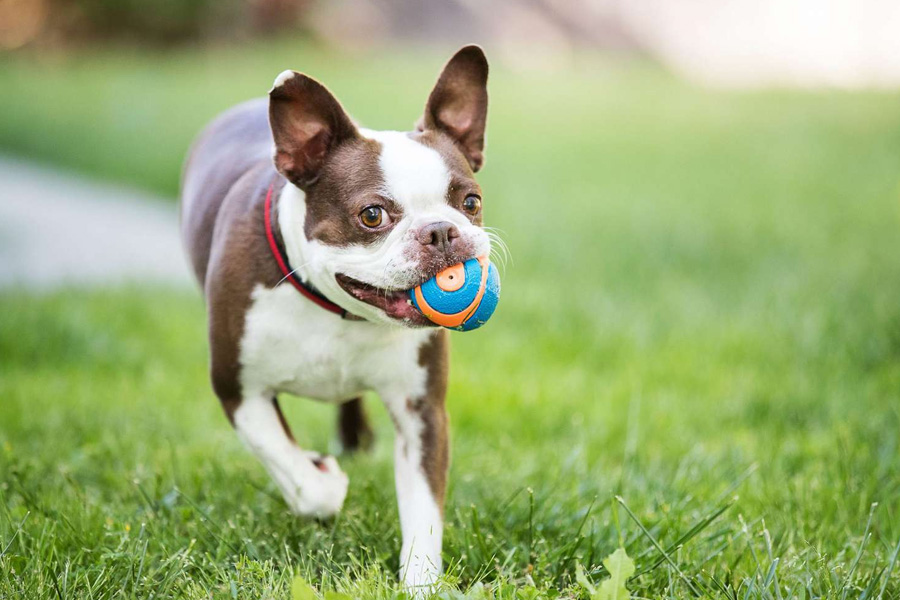
Play is far more than a carefree pastime for pets; it’s a critical aspect of their daily lives, crucial to their health and happiness. Whether you own a spirited pup or a curious cat, a regular play schedule supports their overall well-being in tangible ways. Facilities like PawHootz Pet Resort recognize these benefits, providing structured environments where pets engage in both interactive and independent play.
Engaging in playful activities not only channels your pet’s instincts but also strengthens your bond, mitigates problematic behaviors, and brings joy to daily routines. Scientific studies have repeatedly shown that play is a major contributor to holistic pet health, touching every aspect from muscle tone to emotional resilience.
Responsible pet owners know that regular play isn’t optional—it’s an investment in a pet’s longevity and happiness. Not only does play offer outlets for excess energy, but it also keeps pets mentally alert, staves off boredom, and instills positive social skills for multi-pet households or busy family environments.
As you tailor play to your pet’s age and temperament, you’ll discover its far-reaching benefits: healthier bodies, sharper minds, and calmer, better-adjusted companions. Consistency is key—short, appropriate sessions are often better than lengthy, high-intensity ones, making play accessible regardless of your schedule.
Physical Benefits of Play
For most pets, daily play is the primary way to meet exercise needs. Activities like fetching, running, or manipulating puzzle toys aid cardiovascular health, boost muscle and joint strength, and help keep weight under control. A dedicated focus on playful movement can reduce the risk of obesity-related diseases, such as diabetes and arthritis. Engaging in structured play, like agility courses or interactive games, enhances coordination and promotes balance.
Mental Stimulation and Cognitive Health
Play is a mental workout as much as a physical one. By engaging pets in activities that require thought, such as puzzle feeders, scent games, or hide-and-seek, you sharpen their cognitive skills and stave off boredom. Enrichment games, especially those that involve problem-solving or training, have been shown to reduce the risk of cognitive decline in older animals.
Emotional Well-being and Socialization
Pets, much like people, experience the beneficial effects of endorphins released during play. These hormones lower anxiety, ease stress, and promote a sense of security—especially critical for pets prone to separation anxiety or those adapting to new environments. Interactive play with humans or other animals teaches valuable social cues, helping pets develop self-confidence and emotional resilience in challenging situations. Structured group play can further enhance social skills, building positive associations with unfamiliar pets or people.
Choosing the Right Toys
To reap maximum benefits, it’s vital to select toys that align with your pet’s instincts and preferences. Dogs, for example, thrive with fetch items, tug ropes, or treat-dispensing balls, which encourage movement and problem-solving. Cats are often motivated by wand toys, crinkle balls, or puzzle feeders that tap into their predatory instincts. Always consider safety by choosing size-appropriate, durable toys that won’t splinter or break. Regularly rotating toys and introducing new options helps maintain novelty and engagement, ensuring your pet stays interested and challenged.
Incorporating Play into Daily Routines
You don’t need large chunks of time for effective play. Consistent, brief sessions—such as a morning game of fetch or an evening puzzle—can bring significant improvements to your pet’s demeanor and energy levels. Varying the activities helps avoid monotony and adapts to your pet’s changing needs or preferences. Consider blending training exercises with play, making learning commands a rewarding part of their daily schedule.
Play for Senior Pets
While senior pets may lose some stamina, play remains a cornerstone of their care. Gentle options such as leisurely walks, soft stuffed toys, or slow-paced puzzle feeders can keep them active and mentally sharp. These activities help counteract common age-related issues like arthritis, cognitive decline, and depression. According to USA Today, which outlines practical tips for caring for older dogs, adjusting activities to fit your pet’s changing needs is essential for keeping them comfortable and engaged as they age. Be sure to adapt play sessions to your senior pet’s pace, giving them ample opportunity to rest and recover, and consult your veterinarian for tailored recommendations as your pet ages.
The Role of Technology in Pet Play
The rapid advancement of pet technology offers new ways to challenge and entertain. From app-driven laser pointers to automated ball launchers and interactive camera systems, technological solutions provide enrichment—especially when you’re away from home. While these tools can help fill gaps in your pet’s routine, they should complement, not replace, personal interaction. Balancing digital enrichment with hands-on play helps sustain the pet-owner bond, which remains at the heart of your pet’s happiness.
Conclusion
Consistent, thoughtful play is essential for pets at every life stage. It safeguards physical fitness, stimulates the mind, and nurtures emotional well-being—creating strong, trusting bonds between pets and their people. By prioritizing play, selecting suitable toys, and exploring creative ways to engage your pet, you invest in a future filled with bright eyes, wagging tails, and happy memories for years to come.