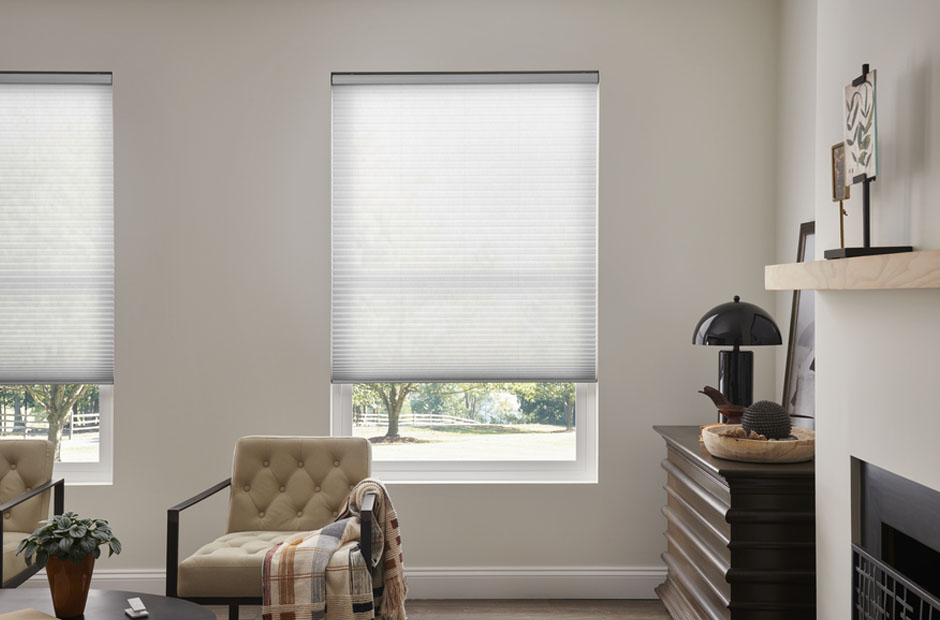
Many homeowners don’t realize how much window blinds can affect energy efficiency. The right blinds can help keep heat inside during winter, block extra heat in summer, and make your home windows (even the old ones!) work better overall. Since windows account for about 25% of heat loss and nearly 30% of unwanted heat gain, adding blinds is a simple, affordable way to boost comfort and save energy.
Modern blinds add to your home’s insulation. Whether you have older double-pane windows or newer ENERGY STAR-rated ones, the best window blinds can help keep indoor temperatures steady, reduce how often your heating and cooling systems run, and make your home more comfortable by boosting the thermal performance of your windows up to 40%. It’s important to know how insulation, materials, and blind design all work together.
How Blinds Improve Insulation and Temperature Control
Blinds help control indoor temperatures by slowing down the main ways heat moves through windows: conduction, convection, and radiation. The science might seem complicated, but the idea is simple. The right blinds slow heat movement, keeping warmth inside in winter and blocking extra heat in summer.
Blinds create a small layer of air between the fabric and the glass, which acts as insulation. This helps cut down on cold drafts near the window and keeps warm air from escaping. In summer, closing or angling the blinds blocks direct sunlight and reduces the amount of heat coming into the room.
Key insulating effects include:
- Reduced heat loss at night in winter, especially when blinds are fully closed.
- Lower solar heat gain during the day in summer, preventing rooms from overheating.
- More stable interior temperatures, which can mean less reliance on heating and cooling systems.
If you use blinds regularly, your windows can work 10-20% better in normal conditions. This is a big benefit for anyone planning energy-saving upgrades, whether you’re a homeowner, designer, or renovator.
3 Best Window Blinds Types for Energy Efficiency
Not all blinds provide the same level of insulation. Some are designed to trap air, reflect sunlight, or reduce drafts. Picking the right type can make a big difference in how well your windows perform each day.
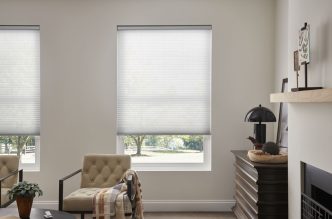
Cellular, or honeycomb, shades are among the best insulation windows blind options. Their pockets trap air, creating a barrier much like wall insulation.
Double-cell shades can insulate 20-30% better than single-cell ones, so they’re great for rooms you use often.
Other styles also offer meaningful efficiency benefits:
- Roller blinds with thermal or blackout fabric help block radiant heat and improve nighttime insulation.
- Roman shades add a thick, layered fabric surface that reduces heat transfer and softens cold drafts.
- Vertical blinds, when tightly fitted, can help on large patio doors by reducing sun exposure and managing glare.
You don’t have to use the same style of blinds in every room. The best option depends on the room’s use, the window’s size, how much sun it gets, and your style preferences.
Window Blinds Material: Fabrics, Opacity, and Thermal Backings
The material of your blinds matters as much as the style. The thickness, weave, and any coatings affect how much heat and light get through. Tightly woven fabrics help block heat loss and sunlight, while open weaves let in more light but don’t insulate as well.
People often think blackout fabrics are the most efficient, but that’s not always true. Many light-filtering fabrics now have thermal or UV-reflective backings that block a lot of heat without making the room dark.
When comparing materials, homeowners should consider:
- Opacity level: higher opacity reduces sun-related heat gain.
- Thermal coating: reflective or insulated backings improve performance in both seasons.
- Durability: fabric must withstand daily use without stretching or fading, as these effects degrade efficiency over time.
Choosing the right fabric means your blinds will look good and help keep your home comfortable and energy efficient all year.
Pairing Blinds With Existing Windows for Maximum Efficiency
Blinds work best when they enhance the window’s performance rather than replace it. New ENERGY STAR-rated windows already help with heat loss and UV rays, but even these can benefit from well-fitted blinds that control temperature changes and sunlight each day.
For older windows, blinds can help compensate for weak seals or old glass by reducing drafts and blocking heat transfer. While blinds can’t seal a window, they can make rooms feel more comfortable when it gets too cold in winter or too hot in summer.
Homeowners should focus on three practical steps:
- Ensure a proper fit: a well-measured blind that sits close to the frame creates a stronger insulating pocket.
- Choose the right mounting style: inside mounts look streamlined, while outside mounts can cover more surface area and reduce drafts.
- Layer when needed: pairing blinds with curtains or drapes enhances insulation and improves noise reduction.
This setup is especially helpful in bedrooms, living rooms, or any area with big windows or changing sunlight during the day.
Smart Motorized Blinds: Small Changes, Big Energy Gains
Automatic motorized blinds can make your home even more efficient by ensuring they open and close at the right times. In many homes, blinds stay in one position all day because people forget to adjust them or aren’t home when the sun is strongest. Smart systems solve this by reacting to light, heat, or set schedules.
Smart blinds can close on their own during the hottest part of the day to lower cooling needs, and open on winter mornings to let in warmth from the sun. They close again in the evening to keep heat inside. This routine helps keep temperatures steady and supports your heating and cooling systems.
Research shows that automated blinds can cut energy use by 10-20%, depending on your climate and which way your windows face. Homes with big south- or west-facing windows can see even bigger savings. Automation isn’t required, but it makes things easier and helps you get the most out of your blinds’ energy-saving features.
Practical Buying Checklist When Shopping for New Window Blinds
It’s easier to pick energy-efficient blinds when you know what really matters. A simple checklist can help you compare options and avoid common mistakes.
Begin by measuring carefully, since even small gaps can reduce insulation. Next, look at fabric quality, how much light it blocks, and if it has a thermal or reflective backing. Durability is important too, especially for blinds you use often.
A clear checklist includes:
- Fit and coverage: blinds should sit close to the window frame to limit drafts.
- Material and coating: look for thermal, insulated, or UV-reflective options.
- Energy-related features: multi-cell construction, thicker fabrics, or optional liners.
- Mounting requirements: check the window depth for inside mounts or plan for outside mounting when needed.
- Safety and operation: cordless mechanisms, smooth operation, and the option for automation.
- Warranty: reliable coverage indicates stronger long-term performance.
Following these steps helps you pick blinds that make your home more comfortable and save energy, which you can actually notice.
Wrapping Up
Window blinds are still one of the easiest and most effective ways to boost energy efficiency at home. They help cut heat loss, block extra heat, protect your interiors from UV rays, and help your windows work as they should. With the right style, material, and fit, blinds can keep your home comfortable all year and help you use heating and cooling more efficiently.
If you’re planning a renovation or considering new windows, adding blinds is a smart way to improve energy efficiency. If you need help choosing styles or advice, start by visiting your local big box store to analyze the available options and check prices and features of low-budget models.
If you want something more energy-efficient and versatile, look for a trusted local company that offers custom blinds for your windows and can help you decide what works best for your current windows.