Key Takeaways
- Early signs, such as noises, droppings, odors, or damage, help prevent infestations from worsening.
- Pests pose significant health, safety, and structural risks if left unaddressed.
- Regular inspections of common problem areas can reduce the chances of infestation.
- Seasonal and weather changes often increase pest activity.
- Professionals are best suited to handle persistent or severe issues.
Recognizing Early Warning Signs of Pest Infestations
In the battle against pests, early detection is the most powerful tool homeowners can use to prevent infestations from turning into expensive and hazardous problems. Subtle clues are often the first sign that bees, rodents, or insects are making themselves at home within your property. For instance, you might hear the faint scratching behind the walls at night, spot tiny droppings near your pantry, or notice damaged fabrics in storage boxes. Addressing these issues early can help you avoid widespread damage, protect the structure of your home, and maintain a healthy environment for your family. The overall health risks associated with pest infestations—such as allergic reactions, asthma, or the transmission of disease—highlight the importance of not ignoring these initial signs. For those seeking professional assistance, Concord exterminator services for comprehensive pest management to provide peace of mind and lasting solutions, ensuring your home remains safe and pest-free throughout the year.
Common warning signs are diverse and can be easily missed if you don’t know what to look for. From unexpected noises in the walls to small droppings under the kitchen sink, taking action at the first hint of unusual activity can be the difference between a minor inconvenience and a major infestation. In some cases, strange odors, like musty or oily smells, can also be an indicator that pests have taken up residence. Some pests, such as carpenter ants or termites, can silently inflict structural damage long before their presence is obvious, making an informed and watchful homeowner’s eye essential for early intervention. Recognizing and documenting these patterns is not only crucial for identifying the specific pest but also helps determine the most effective course of action for eradication or prevention.
Visual Indicators of Pest Activity
- Droppings:Rodents leave behind small, pellet-like droppings, typically in cupboards or under sinks, while cockroach droppings resemble fine black pepper or coffee grounds. These can signal an infestation before it becomes visible. The frequency and location of droppings can help trace the pests’ movements and potentially identify nesting areas.
- Gnaw Marks:Noticing chewed wires, furniture edges, or holes in walls strongly suggests rodent activity. Damaged food packaging is another tell-tale sign and should not be overlooked. Sometimes, rodent gnawing can expose wiring, resulting in dangerous electrical hazards within the home.
- Damage to Plants:Outdoor pests may leave chewed leaves or stems in gardens. Keep an eye out for discolored, wilted, or partially eaten plants, which often signify insect feeding. These visible signs indicate common offenders, such as caterpillars, beetles, or aphids, and signal the need for prompt intervention in the yard or garden.
Environmental Cues for Imminent Outbreaks
- Seasonal Changes:Spring and fall are prime times for increased pest movement, as pests search for new homes or breeding grounds. As the weather changes, pests seek environments that meet their evolving needs, and your property may become a target.
- Weather Patterns:Unusually wet seasons or cold snaps may prompt infestations, as pests like ants and rodents are drawn to the warmth and shelter of homes. Even a single downpour or unexpected frost can send pests scurrying indoors, so monitoring weather closely and acting accordingly can help prevent an uptick in activity.
Implementing Regular Home and Property Inspections
Weekly Checklist for Pest Surveillance
Staying proactive with weekly inspections can dramatically reduce the risk of an infestation. Create a checklist that prioritizes high-traffic and hidden areas where pests are likely to appear first. Kitchens, bathrooms, and laundry rooms are particularly vulnerable because they provide a steady supply of water and food. Other commonly overlooked locations include utility closets, corners of garages, and behind large furniture pieces where dust and crumbs can accumulate unseen:
- Under sinks and behind appliances, where moisture and food particles linger, both of which attract insects and rodents
- Attics, basements, and crawl spaces for nests, droppings, or unusual odors indicating a growing colony
- Doors, windows, and vents for gaps and easy entry points; ensure weather strippingis intact and screens are undamaged
- Cupboards and pantries for gnaw marks or contaminated food, both of which pose immediate health risks
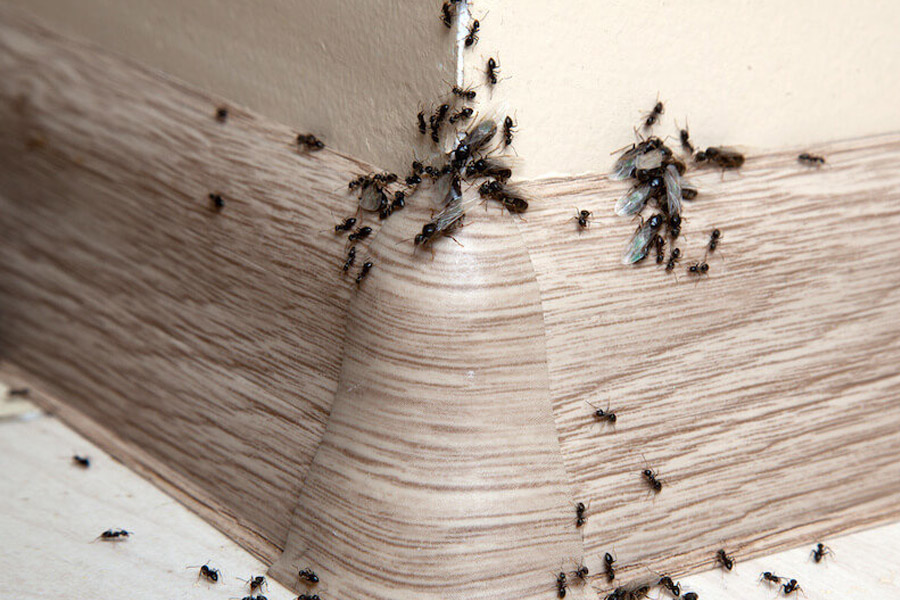
- Baseboards and wall cracks serve as entryways for small insects, such as ants, spiders, or even termites, which seek shelter.
Small tools, such as a flashlight and a magnifying glass, will help you spot otherwise overlooked droppings, eggs, or fine webbing in tight spaces. Pay special attention to corners, cupboards, and storage areas where pests like to nest and hide. Taking time to move boxes, shake out stored linens, and peer underneath sinks can uncover the earliest signs of trouble. Thorough documentation—such as keeping a log or snapping photos—can be invaluable in tracking trends or explaining your situation to a pest control professional if needed.
Critical Areas to Monitor for Different Pest Types
- Rodents:Look for shredded paper, fabric nests, gnaw marks on food packaging, and oily rub marks on walls where rodents have traveled. Rodents often create “runways” along baseboards; finding such patterns indicates a larger problem.
- Insects:Look closely for wood-dust piles (frass), chewed leaves on houseplants, or tiny holes in wooden structures, which often indicate the presence of termites or beetles. Unexplained powder near the woodwork suggests burrowing insects, requiring rapid intervention to prevent costly repairs.
Utilizing Technology for Early Detection
Advancements in detection technology allow homeowners to spot problems earlier than ever before. These systems, which can range from a motion-triggered camera to an acoustic sensor, complement regular manual inspections and protect hard-to-access spaces where pests may be lurking. Integrating technology into your monitoring strategy can be especially helpful in vacation homes or properties with extensive outdoor areas, where daily, hands-on inspections are impractical. These devices not only speed up the detection process, but they also reduce the burden on homeowners by automating routine checks:
- Acoustic Devices:Modern listening devices can detect rodent scratching, rustling sounds, or termites chewing inside walls, often before any visible evidence appears, making them invaluable for preventing dangerous structural infestations.
- Smart Sensors:Motion sensors and droppings detectors can automate monitoring, providing real-time alerts if pest activity is detected in “hot zones,” like crawl spaces or secluded attic corners.
- Drones:For commercial properties or larger estates, drones equipped with cameras and multispectral imaging can quickly and accurately survey roofs and fields for pest hotspots, locating evidence of nest-building or plant damage from above.
When to Seek Professional Help
Even with diligent efforts, some situations surpass what household methods can control. If pest signs persist after trying home remedies, or if your home continues to experience recurring infestations despite preventive measures, it’s time to call in the professionals. Pest control experts possess the training and equipment needed to tackle infestations that may be hidden in walls, ceilings, or outdoors, far beyond what the average homeowner’s tools can address. Severe infestations caused by notorious pests, such as cockroaches, bed bugs, or aggressive rodents, can quickly escalate into health concerns, making expert attention vital for protecting your family and property.
- Persistent Signs:The continuous presence of droppings, damage, or live pests, even after cleaning and applying traps, suggests that the infestation is beyond DIY control and that professional help is needed for safe and thorough removal.
- Public-Health Pests:Infestations involving cockroaches, large fly populations, or bed bugs require professional-grade treatments for complete eradication and prevention, as these pests reproduce rapidly and can seriously impact well-being.
Final Thoughts
Recognizing and addressing the early signs of pest infestation protects your home and health. Through consistent inspections, timely interventions, and judicious use of emerging technologies, you can minimize pest risks and maintain a safe living environment. Trusted pest control professionals offer specialized solutions for issues that home routines can’t resolve, ensuring long-term protection for your property. Early detection and a proactive approach are the keys to avoiding the stress and expense of serious infestations, allowing you to enjoy your home in comfort and security throughout every season.