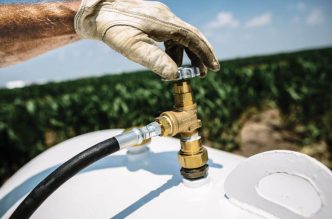

Proper maintenance of a propane tank supports safe operation and extends its usable lifespan. Neglecting routine care can lead to leaks or corrosion over time. Owners should clean, handle, and store tanks carefully while arranging reliable propane home delivery. Following these steps helps keep the tank functional and minimizes potential safety issues. Here’s some more information on how to maintain a propane tank:
Check Leaks and Corrosion
Leaks in a propane tank can allow gas to accumulate, increasing the risk of fire or explosion. Valves, fittings, and hoses may develop cracks that compromise safety if not monitored. Weld lines, seams, and scratches are common points for corrosion, which can weaken structural integrity over time. Even small leaks that are not visible during a standard inspection can sometimes be identified using a soapy water solution.
Regular checkups minimize the risk of sudden failures and ensure that the propane system is running smoothly. Even small dents or surface damage should be observed, as they can deteriorate over time under pressure. The old tanks are inspected by professionals every few years to maintain safety levels. Early detection of issues means the tank will continue to operate safely without incurring expensive emergency maintenance.
Clean and Dry Tank
A clean tank surface helps prevent rusting and maintains structural integrity during extended use. Humidity, foliage, and dirt can accumulate around the base, accelerating corrosion and compromising safety. Wiping the tank with a damp cloth removes debris and helps maintain a safe operating environment. Use non-harsh chemicals, as they can damage the protective coating and shorten the tank’s lifespan.
Frequent cleaning also makes it easier to visually identify scratches, dents, or weak spots. Cleaning the area around the tank prevents the accumulation of pests, debris, and water. By keeping the environment dry, it can reduce the rate of corrosion, making the uninterrupted flow of propane and safe operation reliable. Regular cleaning helps sustain the tank’s life and maintain general hygiene in the home.
Well-Ventilated Place
Propane tanks should not be stored in the house, near flames, or in enclosed areas with low air circulation. An open, shaded place will minimize heat exposure, which can lead to the danger of internal pressure in the long run. Ventilation reduces the risk of fire and helps secure the surrounding property. Raising the tank slightly above ground level helps prevent settlement and corrosion beneath the tank. The space between electrical equipment, heaters, or cars reduces the risk of accidental ignition or damage. Periodic examination of the storage area is necessary so that nothing is blocking the airflow or hampering the safety around the tank. Safety and stability enhance the service of valves, hoses, and tank material.
Replace Hoses and Connections
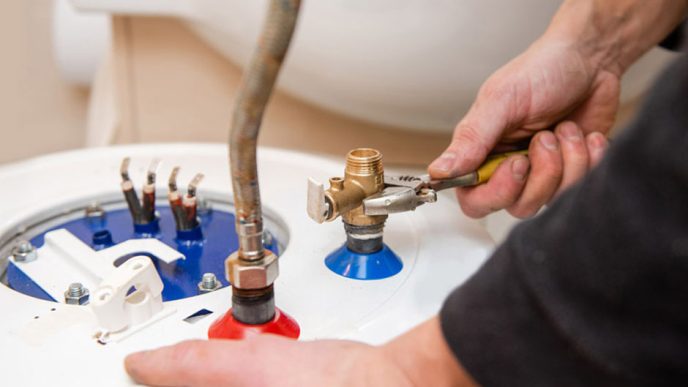
Hoses and connectors can become worn, brittle, broken, or loose over time, leading to leaks. Regularly inspect all regulators and fittings to identify any hidden damage or deterioration of connections. Replacing worn hoses helps maintain the flow of propane and reduces the risk of leaks or other safety issues. Check the replacement parts used to guarantee the proper level of pressure approved to be used in propane systems. Maintenance minimizes failures and enhances the overall quality of the propane tank system. Inspection before usage helps to spot minor problems that might later turn into major risks. Properly serviced hoses and connectors support the safe long-term operation of the gas.
Refilling and Usage
Filling a propane tank beyond its capacity poses a risk due to the high pressure and can lead to leaks and structural damage over time. It is also necessary to refill in certified places under the supervision of trained personnel to achieve maximum safety. Adherence to manufacturer guidelines would guarantee proper tank capacity, connection process, and safe propane home delivery.
Regular monitoring of the tank gauge helps prevent an empty tank or overfilling, thereby maintaining pressure at safe levels. Store, transport, and use the tank in an upright position to maintain internal pressure. Using compatible hoses and appliances reduces stress on valves and connectors, thereby extending their lifespan. To prevent dents and accidental leaks from the tank, avoid dropping, dragging, or mishandling it.
Schedule Propane Home Delivery
Proper maintenance of a propane tank contributes to safety, efficiency, and longevity. Consistent cleaning, inspections, storage, and cautious use help prevent accidents and emergency maintenance. The attention to hoses, valves, and connections minimizes risks and provides a steady supply of gas. Schedule propane home delivery to get started today.