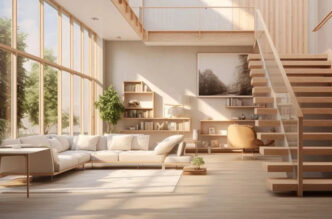
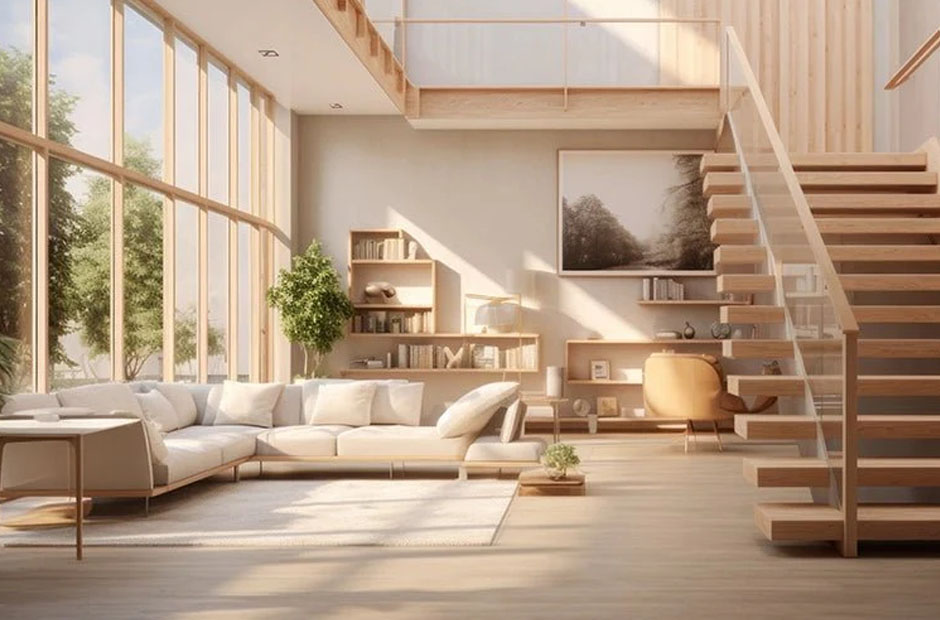
Interior design quietly shapes how we experience life indoors. It influences how we wake up in the morning, how productive we feel during the day, and how relaxed we become at night, notes B&R Property Management solutions. While many people think interior design is only about colors and furniture, it actually goes much deeper. It’s a careful blend of psychology, creativity, planning, and lifestyle understanding. When done right, interior design doesn’t just decorate a space—it improves the way we live inside it.
In a world where homes have become offices, sanctuaries, and social hubs all at once, interior design plays a more important role than ever. A well-designed home supports routines, reduces stress, and reflects identity. It adapts to change, grows with the people living in it, and tells a story without saying a word. Every choice, from layout to lighting, contributes to that story.
This article takes a fresh look at interior design from a practical and human-centered perspective. Instead of repeating trends, it explores how design decisions affect comfort, mood, efficiency, and long-term satisfaction. Whether you’re redesigning a single room or thinking about an entire home, understanding interior design helps you make smarter, more meaningful choices.
Interior Design as a Lifestyle Tool
Interior design is often misunderstood as a luxury, but in reality, it’s a lifestyle tool. The way a space is designed directly affects how people move, interact, and feel within it. A cluttered or poorly planned room can increase stress, while a well-organized and visually balanced space can create calm and focus.
Lifestyle-focused design begins with asking the right questions. Who lives in the space? How do they spend their time? What activities matter most? A family with young children has very different needs from a single professional working from home. Interior design translates those needs into practical solutions—durable materials, smart storage, flexible layouts, and comfortable furniture.
Design also supports habits. A thoughtfully designed kitchen can encourage healthier cooking. A cozy reading corner can revive a love for books. A calm bedroom environment can improve sleep quality. These changes may seem subtle, but over time, they significantly affect daily life.
By treating interior design as a lifestyle enhancer rather than a decorative exercise, spaces become more intuitive and enjoyable. They stop fighting against routines and start working with them.
The Emotional Impact of Interior Spaces
Every interior space carries an emotional charge. Walk into a bright, open room filled with natural light, and you immediately feel uplifted. Step into a dark, cramped space, and the mood shifts instantly. Interior design has a powerful psychological influence, often without us realizing it.
Colors play a major role in emotional response. Soft neutrals can create calm and stability, while bold colors inject energy and personality. However, emotional design isn’t only about color. Ceiling height, furniture arrangement, and even acoustics influence how a space feels. High ceilings can inspire openness and creativity, while lower ceilings can create intimacy and comfort.
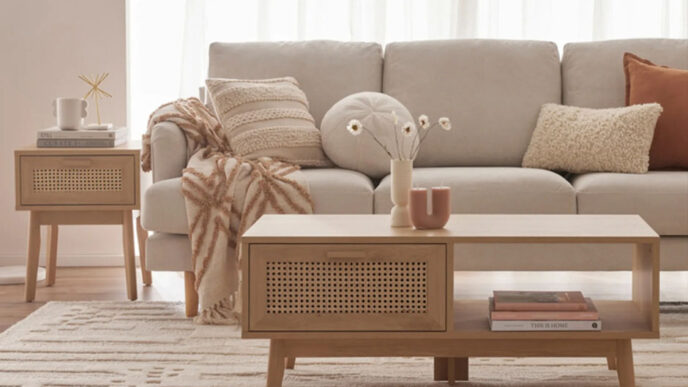
Textures also affect emotion. Soft fabrics, natural wood, and warm lighting make spaces feel inviting and safe. Hard, reflective surfaces paired with cold lighting can feel formal or even unwelcoming if not balanced carefully.
Good interior design respects emotional well-being. It creates spaces that feel safe, familiar, and personal. When a home supports emotional comfort, it becomes more than just shelter—it becomes a place of restoration.
Function-First Design Thinking
One of the most important principles of interior design is function-first thinking. A space must work before it looks good. No matter how stylish a room appears, it will fail if it doesn’t support daily activities comfortably.
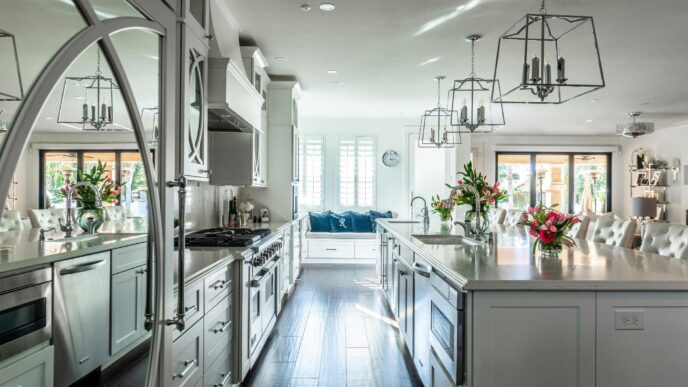
Function-first design starts with layout planning. Clear walkways, logical furniture placement, and easy access to frequently used items make a space efficient. Kitchens, for example, rely heavily on functional planning. The distance between the sink, stove, and refrigerator directly affects how comfortable cooking feels.
Storage is another functional cornerstone. Poor storage leads to clutter, and clutter disrupts both aesthetics and peace of mind. Built-in cabinets, hidden compartments, and multi-purpose furniture help maintain order without sacrificing style.
Even decorative elements should serve a purpose. Rugs can define zones and improve acoustics. Curtains can control light and add insulation. When design elements work hard, spaces feel effortless and well-considered.
Function-first design doesn’t mean boring design. On the contrary, it provides a strong foundation upon which creativity can thrive.
Materials That Shape Experience
Materials are one of the most influential elements in interior design. They affect durability, maintenance, comfort, and visual appeal all at once. Choosing the right materials is about balancing beauty with practicality.
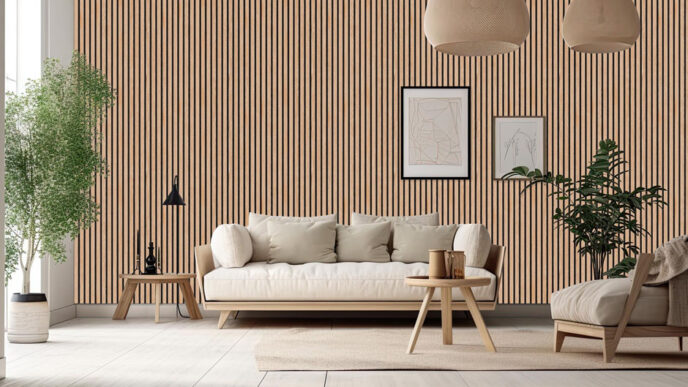
Natural materials remain popular because they age well and feel authentic. Wood brings warmth and texture, stone adds strength and elegance, and natural fabrics improve comfort and breathability. These materials connect interiors to nature, which has a calming effect on occupants.
Man-made materials also play an important role. Engineered wood, laminates, and modern composites offer durability and affordability. When used wisely, they can replicate natural finishes while providing better resistance to wear and moisture.
Material selection should always consider lifestyle. A household with pets and children needs scratch-resistant floors and stain-resistant fabrics. A minimalist apartment may benefit from sleek surfaces that are easy to clean and maintain.
When materials align with how a space is used, interiors remain beautiful and functional for years, not just months.
Lighting as a Design Language
Lighting speaks a language of its own in interior design. It guides attention, shapes mood, and defines how a space is experienced throughout the day. Poor lighting can flatten a room, while well-planned lighting adds depth and drama.
Natural light is the most valuable resource. Designers often plan layouts to maximize daylight, using mirrors and reflective surfaces to spread light deeper into interiors. Window treatments are chosen carefully to balance privacy with brightness.
Artificial lighting works best when layered. Ambient lighting provides overall illumination, task lighting supports activities, and accent lighting highlights details. This layered approach allows spaces to adapt easily from daytime productivity to evening relaxation.
Light temperature also matters. Warm light creates comfort and intimacy, making it ideal for living rooms and bedrooms. Cooler light supports focus and clarity, often used in kitchens and workspaces.
Lighting design is not an afterthought—it’s a core element that completes the interior experience.
Furniture Beyond Appearance
Furniture is often the most visible part of interior design, but its importance goes far beyond appearance. Furniture defines how people sit, rest, work, and interact. Poorly chosen furniture can make even a large space uncomfortable.
Comfort should always come first. Sofas, chairs, and beds must support the body properly. Designers pay attention to seat height, depth, and materials to ensure long-term comfort. A visually stunning chair that hurts to sit on quickly loses its appeal.
Scale and proportion are equally important. Furniture must fit the room, not just physically but visually. Oversized furniture in a small space feels heavy, while undersized furniture in a large room feels disconnected.
Flexibility is becoming increasingly valuable. Modular sofas, extendable tables, and movable seating allow spaces to adapt to different needs. This is especially useful in modern homes where rooms often serve multiple functions.
Good furniture choices bring balance between comfort, durability, and style.
Personal Style and Identity in Design
Interior design is one of the most personal forms of expression. A well-designed space reflects the people who live in it—their tastes, memories, and values. That’s why copying a showroom or catalog rarely creates a satisfying home.
Personal style emerges through details. Artwork, books, travel souvenirs, and family heirlooms add authenticity. These elements tell stories and create emotional connections that generic décor cannot.
Designers often act as translators, helping people express their personality through materials, colors, and layouts. Some prefer calm and neutral environments, while others thrive in bold, energetic spaces. Neither is right or wrong—the goal is alignment.
Personalized interiors feel lived-in, not staged. They evolve over time, adapting to changing interests and life stages. When a space reflects identity, it becomes more meaningful and comfortable.
Cultural Influence and Regional Context
Interior design never exists in isolation. It is shaped by culture, climate, and location. Regional influences affect everything from materials to layout preferences, creating spaces that feel grounded and relevant.
In warm climates, interiors often prioritize ventilation, light colors, and indoor-outdoor connections. In urban environments, efficient use of space becomes critical. Cultural values also shape design—hospitality, privacy, and family dynamics all influence how spaces are organized.
In global cities, design often blends influences from around the world. For instance, home interior design dubai is known for combining international styles with regional character. Modern luxury, cultural detailing, and innovative layouts come together to reflect a diverse and fast-evolving lifestyle.
Respecting regional context ensures that interiors don’t feel generic. Instead, they feel authentic and connected to their surroundings.
Sustainable Choices in Interior Design
Sustainability is no longer optional in interior design—it’s a responsibility. Thoughtful design choices can reduce environmental impact while improving health and comfort.
Sustainable interiors focus on quality over quantity. Investing in durable furniture, timeless designs, and long-lasting materials reduces waste. Eco-friendly materials such as recycled wood, natural stone, and low-emission paints support healthier indoor environments.
Energy efficiency is another major consideration. Efficient lighting, insulation, and climate control reduce energy consumption and long-term costs. Designers also prioritize natural light and ventilation to minimize reliance on artificial systems.
Sustainable design doesn’t require sacrificing style. In fact, many eco-friendly materials bring natural beauty and character that enhance interiors.
Technology and Modern Living Spaces
Technology has reshaped how interiors function. Smart homes are no longer futuristic concepts—they’re becoming standard features in modern living.
Smart lighting, automated temperature control, and integrated entertainment systems improve convenience and comfort. These features allow spaces to adapt instantly to different moods and activities.
However, good design keeps technology subtle. Wires are hidden, devices are integrated, and visual clutter is minimized. The goal is to enhance daily life without overwhelming the space.
As technology evolves, interior design continues to adapt, ensuring that homes remain comfortable, efficient, and visually balanced.
Avoiding Common Interior Design Pitfalls
Many design mistakes stem from rushing decisions. Choosing furniture before planning layout, ignoring lighting, or following trends blindly often leads to dissatisfaction.
Another common mistake is neglecting scale and proportion. Rooms feel awkward when furniture doesn’t fit properly. Over-decorating is also a frequent issue—too many colors, patterns, or accessories create visual noise.
Successful interior design requires patience and planning. Thoughtful decisions lead to spaces that feel cohesive and timeless rather than chaotic.
Interior Design for the Future
The future of interior design is flexible, human-centered, and wellness-focused. Homes are becoming more adaptable, supporting work, rest, and social life within the same walls.
Designers are paying more attention to mental health, incorporating calming colors, natural elements, and quiet zones. Sustainability and technology will continue to shape how interiors are built and experienced.
Above all, interior design is moving toward deeper personalization—spaces designed not just to impress, but to support real lives.
Conclusion: Interior Design That Truly Works
Interior design is not about perfection; it’s about intention. When spaces are designed with care, they become comfortable, meaningful, and supportive. They evolve with the people who live in them and quietly enhance everyday life.
By focusing on function, emotion, sustainability, and personal identity, interior design becomes a powerful tool for better living. A well-designed space doesn’t demand attention—it simply feels right.