Most vehicle owners understand the importance of regular maintenance, such as oil changes, tire rotations, and engine checks. However, one crucial factor that is often overlooked is environmental protection. Covered vehicle protection structures play a key role in shielding your vehicle, RV, or equipment from constant exposure to the elements. Leaving assets exposed may seem harmless at first, but over time, it can lead to significant, often hidden damage. Sun, rain, hail, and snow are not just temporary annoyances; they slowly degrade the materials, performance, and value of your investments. Understanding these risks and investing in proper coverage can save thousands of dollars in repairs and replacements while extending the life of your vehicles and equipment.
The Hidden Damage of Sun Exposure
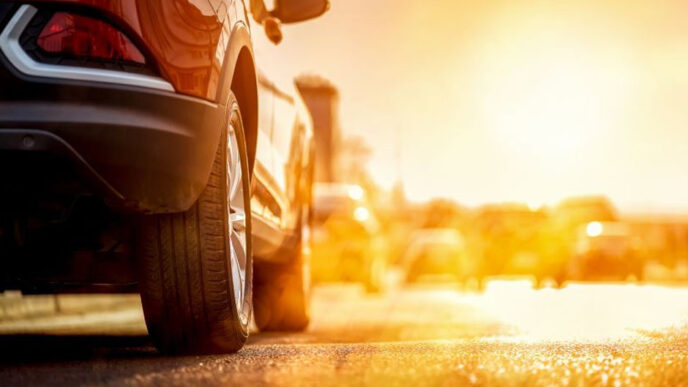
The sun is one of the most persistent threats to vehicles. Ultraviolet (UV) rays may seem harmless, but they can cause extensive damage over time. Prolonged sun exposure gradually fades paint, dulls finishes, and breaks down protective coatings. This is particularly true for vehicles with darker colors, which absorb more heat and UV radiation. The result is a vehicle that looks older than it is and may even lose resale value faster.
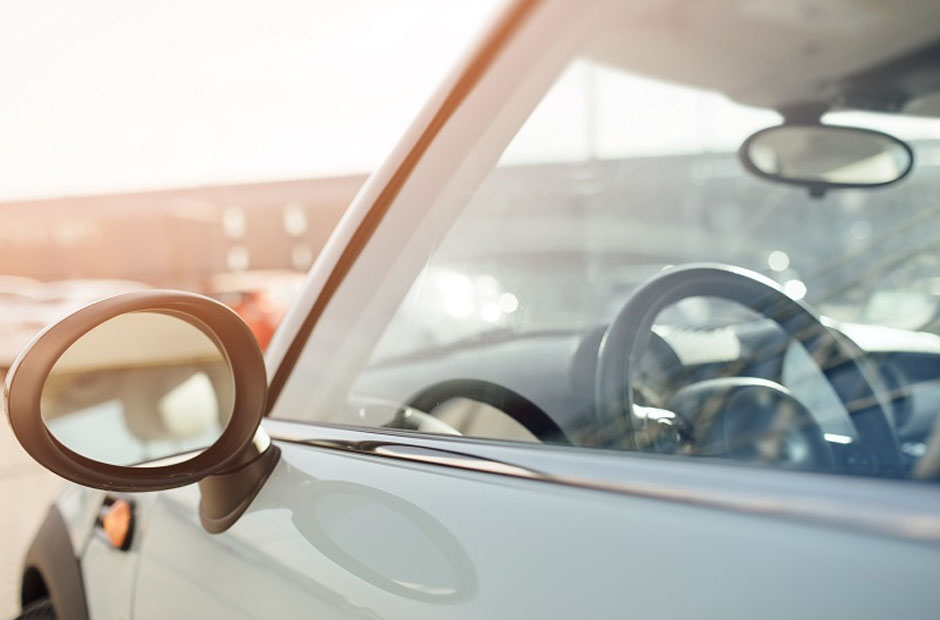
Interior damage is equally concerning. Sunlight can heat a vehicle’s interior to extreme temperatures, causing dashboard cracks, fading upholstery, and warped trim. Leather seats may dry out and crack, and fabrics can weaken and fade.
Rain and Moisture: The Silent Corrosion Threat
Rain may seem harmless, but repeated exposure combined with poor drainage or standing water can lead to rust and corrosion. Water penetrates tiny crevices, seals, and joints in the vehicle’s body, eventually causing metal components to oxidize. Rust weakens structural elements, making repairs more complicated and expensive. Even minor leaks can cause hidden damage to electronics, undercarriage components, and brake systems, which may go unnoticed until a major issue arises.
Hail: Sudden Damage with Lasting Consequences
Unlike the gradual effects of sun and rain, hail can cause immediate and often severe damage. Even small hailstones can leave dents, chipped paint, or cracked windows. Larger hail events may require extensive bodywork or replacement panels, which can cost thousands of dollars. Insurance may cover some damage, but repeated claims can increase premiums or leave you with a deductible that still costs hundreds or thousands out-of-pocket. Hail damage is often underestimated because its visual impact can be less than the underlying structural issues it causes.
Snow and Ice: More Than Just a Cold Threat
Snow and ice may seem seasonal and temporary, but they pose unique risks. Accumulated snow adds weight and pressure, which can stress roofs, hoods, and other structural components. Ice formation on windows, mirrors, and undercarriages can cause scratches, cracks, or mechanical issues. Salt and de-icing chemicals used on roads accelerate corrosion, especially on the undercarriage and wheel wells. Without adequate protection, repeated exposure to snow and ice compounds these risks, leading to costly repairs over time.
The Case for Covered Structures
Given the variety of environmental threats, covered structures such as carports, RV shelters, and equipment canopies offer significant benefits. These structures act as a shield, preventing direct sun exposure, keeping rain off, protecting against hail, and limiting snow accumulation. Unlike temporary solutions like tarps, which can shift, tear, or trap moisture, permanent covered structures offer consistent, reliable protection year-round.
Extending Vehicle Life
By reducing exposure to the elements, covered structures directly extend the life of vehicles, RVs, and equipment. Metal components are protected from rust and corrosion, helping maintain structural integrity. Overall, vehicles remain functional and aesthetically appealing longer, helping preserve resale value and reduce depreciation.
Reducing Maintenance Costs
Vehicles and equipment kept under cover typically require fewer maintenance interventions. Less sun exposure means less fading and cracking; less rain exposure reduces rust and water damage; and hail protection eliminates the need for dent repairs. Even seasonal damage from snow and ice is minimized. The cumulative savings on bodywork, paint, and interior restoration can far outweigh the initial investment in a permanent shelter.
Protection for RVs and Specialty Equipment
RVs, boats, tractors, and other specialty equipment often represent substantial investments. These assets are particularly vulnerable to environmental damage due to their size and exposure. Covered structures protect delicate finishes, electronics, and mechanical components from the harsh effects of weather, extending functionality and lifespan. For seasonal equipment, covered storage also helps maintain readiness and reduces preparation time before use.
Permanent Coverage vs. Temporary Fixes
Many vehicle owners consider temporary solutions, such as car covers or tarps, to protect their investments. While these options may seem convenient, they come with limitations. Covers can trap moisture, shift in the wind, and require constant adjustment. They also provide minimal protection from hail or heavy snow. In contrast, permanent covered structures offer stability, durability, and full-season protection. They are a long-term investment that safeguards against all forms of environmental damage, providing peace of mind and tangible financial benefits.
Cost-Benefit Perspective
While the upfront cost of a permanent covered structure may seem significant, the long-term savings are substantial. Avoiding repairs, extending vehicle life, and preserving resale value quickly offset initial expenses. Additionally, covered structures increase convenience by providing easy access and reliable shelter without the hassle of setting up temporary covers. For high-value vehicles or equipment, this investment is particularly compelling.
Conclusion
Leaving your vehicle, RV, or equipment exposed to the elements can be deceptively costly. Sun, rain, hail, and snow all contribute to hidden wear that gradually diminishes appearance, performance, and value. Temporary fixes like tarps may seem practical, but they often fall short of preventing long-term damage. Permanent covered structures provide comprehensive protection, extend the lifespan of your investments, and reduce maintenance costs. Investing in proper coverage is not just about convenience; it’s a smart financial decision that pays off over time. Protect your vehicles and equipment today and avoid the costly consequences of environmental exposure.