
Unexpected expenses rarely arrive at a convenient moment. A sudden car repair, urgent medical charge, or essential home fix can disrupt even a well-organized budget. When savings are limited and credit history is less than ideal, knowing practical options becomes especially important.
Rising everyday costs make emergency expenses feel even more disruptive. With bills already stretching income, unexpected charges leave little room to pause and reassess. Understanding available options beforehand helps borrowers respond calmly and avoid unnecessary strain. Managing these costs requires speed, clarity, and informed choices. While long-term planning remains essential, short-term solutions can provide relief when timing allows few alternatives.
Defining True Emergencies
Emergency expenses are typically unavoidable and time-sensitive. These are costs that cannot be delayed without causing further disruption or risk. Their urgency, rather than their size, is what defines them.
Situations such as vehicle breakdowns that prevent commuting or essential home repairs often fall into this category. These events demand immediate action, regardless of whether they were anticipated.
Because emergencies fall outside regular monthly spending, they often expose gaps in short-term financial readiness. That gap is where temporary borrowing options may come into consideration.
Not every unplanned cost qualifies as an emergency, even if it feels urgent at the time. Distinguishing between immediate needs and expenses that can wait helps prevent unnecessary borrowing. Essentials tied to safety, health, or income usually take priority.
The Reality of Borrowing With Bad Credit
A damaged credit history can limit access to traditional lending products. Banks and credit unions commonly rely on credit scores to assess risk, which places borrowers with lower scores at a disadvantage. This can result in higher rates, stricter approval criteria, or outright rejection. During an emergency, those barriers add pressure to an already difficult situation.
Understanding which financial tools remain accessible helps borrowers avoid rushed decisions that may create problems in the long run. Short-term loans are designed to cover urgent expenses rather than long-term purchases. They usually involve smaller amounts and shorter repayment periods, which can suit time-sensitive needs.
Approval processes often focus on current income and repayment ability rather than credit history alone. This makes them a viable option when speed is critical and traditional financing is unavailable. Used carefully, these loans can serve as a temporary bridge until finances stabilize.
It is also important to remember that credit history reflects the past, not always present circumstances. Lenders increasingly consider a borrower’s current income and payment behavior, not just their credit score. Many people with lower credit maintain steady earnings and on-time habits, and short-term lenders often weigh these factors to assess affordability. This approach can open options that traditional lenders overlook.
Evaluating Short-Term Loans With Bad Credit
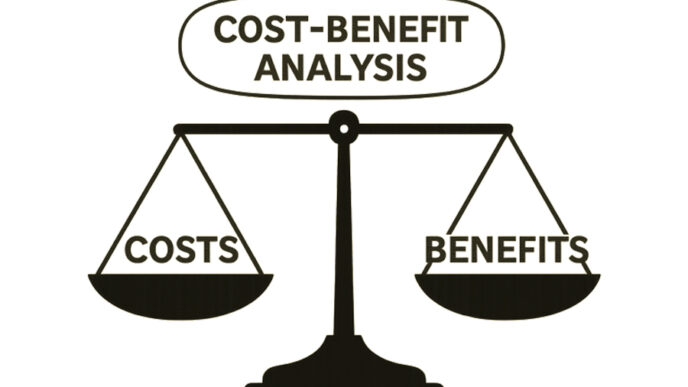
Even during an emergency, taking time to compare available options can make a meaningful difference. Small variations in repayment length or fee structure can significantly affect overall cost. Not all short-term loans offer the same terms, especially for borrowers with poor credit histories. Interest rates, fees, and repayment schedules can vary widely between lenders.
When considering short term loans with bad credit, it is important to look beyond fast approval and review the total cost over the life of the loan. Clear disclosure of fees and repayment timelines should always be expected.
Borrowers should also confirm that repayment dates align with income schedules, reducing the risk of missed payments or extensions. Keeping borrowing tied strictly to genuine emergencies helps ensure the amount remains manageable and repayment stays realistic.
If financial strain continues after borrowing, early communication with the lender can make a difference. Addressing challenges promptly is often more effective than waiting until penalties apply. A proactive approach supports smoother recovery once the emergency passes.
Considering Alternatives Before Borrowing
Short-term loans are not the only option during emergencies. Exploring alternatives may reduce or even eliminate the need to borrow. Some service providers offer payment plans that spread costs over time.
Medical facilities and utility companies may provide assistance or extensions when contacted promptly. Temporary support from family or community resources can also help offset costs. Even partial relief can lower borrowing needs and ease repayment.
Once the immediate situation has passed, reviewing how it was handled can improve future preparedness. Identifying what caused the strain and what helped resolve it provides valuable insight. Rebuilding savings gradually, even in small amounts, creates a buffer against future disruptions. An emergency fund does not need to be large to be effective. Consistency over time helps restore stability and confidence.
Using Short-Term Loans With Purpose
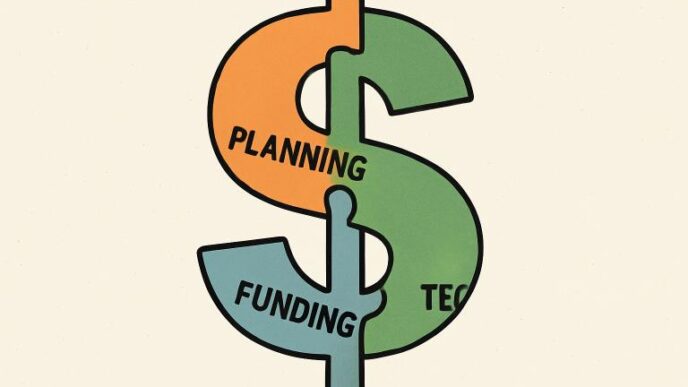
Short-term borrowing works best when treated as a targeted response rather than a routine habit. Its role is to address specific, unavoidable costs, not to support ongoing expenses. Clear purpose, realistic repayment plans, and careful lender selection all contribute to responsible use, especially when paired with financial planning after securing your loan.
When these factors align, borrowing can resolve emergencies without long-term consequences. Emergency expenses test both planning and judgement, particularly for those facing bad credit. While options may feel limited, informed choices still exist.
A Practical Path Through Financial Emergencies
By understanding available tools, reviewing terms carefully, and prioritising repayment readiness, short-term loans can be used responsibly. Combined with post-emergency planning, they form part of a broader strategy to regain stability and reduce future financial risk.
Reflecting on how an emergency was managed also helps identify patterns, spot gaps in savings, and make adjustments to spending or budgeting strategies. Taking time to reflect after each emergency builds confidence, improves future responses, and encourages healthier financial habits over the long term.