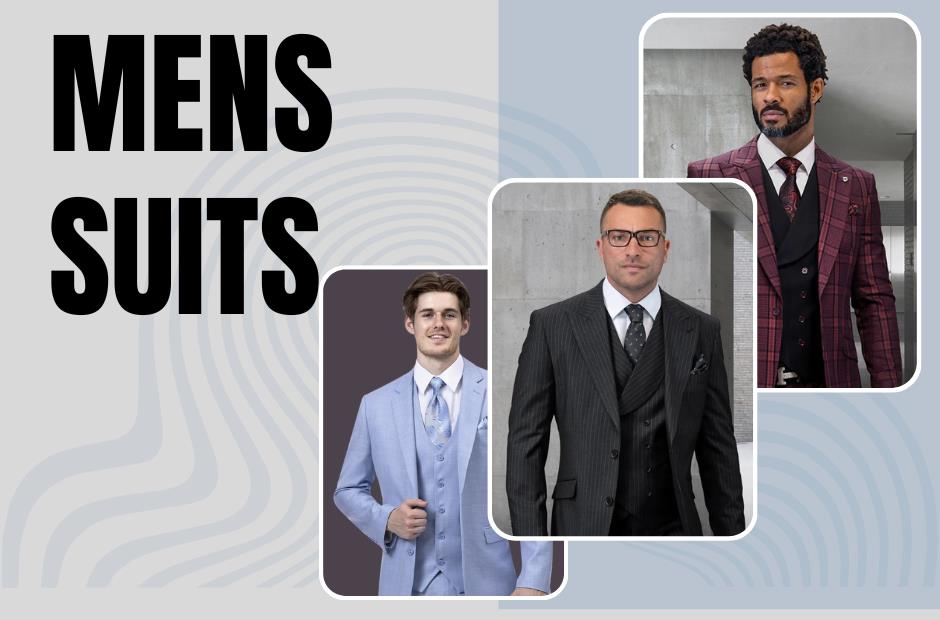
Buying mens suit can feel like a big, confusing task. It is easy to feel lost when you walk into a store and see racks of suits in different colors, patterns, and styles. You might ask yourself, “Where do I even begin?”
But do not worry! Choosing the right suit is a skill that you can learn with proper guidance. This guide will break it down into simple and easy-to-understand steps. We will talk about fit, fabric, color, and style. By the end, you will feel confident and know exactly what to look for.
Step 1: The Golden Rule – Fit is King
The best suit is the one that fits you best. A perfect fit matters more than the price tag. Think of fit as the foundation of a building. If the foundation is strong, everything else will look good on top of it.
So, what does a good fit look like?
- The Shoulders:This is the most important part when it comes to mens suit fitting. The seam of the jacket should sit right at the edge of your shoulder. Check the shoulder seam. It should end right where your arm meets your shoulder. If it goes past, it’s too big. If it doesn’t reach, it’s too small. It should feel comfortable and look natural.
- The Jacket Length:When you stand straight with your arms at your sides, the jacket should cover your seat. A simple test is to curl your fingers into a fist. The bottom of the jacket should be level with the middle of your curled fingers.
- The Chest:You should be able to button the jacket without it pulling too tight. There should be a little room to move comfortably. If the fabric is straining, it is too small.
- The Sleeves:The sleeve of your jacket should end just above the point where your thumb meets your wrist. This allows about a half-inch of your shirt cuff to show. It is a small detail that makes you look sharp.
- The Trousers:The trousers should sit comfortably on your waist, not your hips. They should have a slight “break,” which is a small fold of fabric where the trouser meets your shoe. A “no-break” look is modern, while a slight break is more classic.
Step 2: Choosing the Right Fabric
Choosing the right fabric is very important because it decides when and where you can wear it. It affects the suit’s look, feel, and comfort.
- Wool:This is the best all-rounder. Wool mens suits are comfortable, durable, and look great. They can keep you warm in winter and cool in summer (especially lighter types). For your first suit, wool is a safe and excellent choice.
- Cotton or Linen:These are great for summer or warm weather. They are light and breathable. However, they wrinkle very easily. A cotton or linen suit is perfect for a daytime event or a beach wedding.
- Polyester:You will find many cheap suits made from polyester. It is best to avoid them. Polyester does not breathe well, so you might feel hot and sweaty. It also does not look as high-quality as natural fabrics like wool.
If you are buying your first suit, choose a medium-weight wool suit because it is versatile and you can wear it all year round.
Step 3: Choosing color and pattern
Choose the color and pattern wisely because the color of your mens suit sets the tone. It tells people about the occasion and your personal style.
- Navy Blue:This is the most recommended color for a first suit. It is incredibly versatile. You can wear it to a job interview, a wedding, a formal dinner, or even a nice date. It looks good on almost everyone and is less formal than black.
- Charcoal Grey:This is another fantastic first choice. Charcoal gray is serious and professional. It is perfect for business meetings and formal events. It is a color that says you mean business.
- Black:Black is for the most formal events, like a black-tie party or an evening funeral. It can look too severe for a daytime office job. It is best as a second or third suit.
- Patterns:For your first suit, it is safer to stick with a solid color. If you want to try a pattern, a subtle one like a “pinpoint” or a “sharkskin” is a good start. Avoid loud stripes or checks until you have a solid foundation.
Step 4: Understanding Style – The Basics
Suit styles are mostly about the jacket. Two main things to look at are the number of buttons and the lapel style.
- Number of Buttons:
- Two-Button Suit:This is the most common and flattering style for most body types. You always button the top button and leave the bottom one undone.
- One-Button Suit:This style is modern and stylish, often seen at fashion-forward events and weddings.
- Three-Button Suit:This is a more traditional, formal look. You can button the top two buttons. This style can make shorter men look taller.
- Lapel Style:
- Notch Lapel:This is the most common style. You see it on most business suits. The lapel has a small V-shaped “notch” where it meets the collar. It is a safe, classic choice.
- Peak Lapel:The edges of the lapel point upwards towards the shoulders. This style looks more powerful and formal. It is often found on double-breasted suits.
If you are buying your first suit then go for a two-button, single-breasted jacket with a notch lapel because it is the perfect and a timeless choice.
Conclusion: Confidence is the Best Accessory
Choosing mens suit is not about following all these strict and boring rules. It is about finding clothes that make you feel confident and you can wear comfortably. You will naturally stand taller and speak with more assurance when a suit fits you well and suits the occasion. Use this guide as your starting point. Remember the order of importance: Fit first, then fabric, then color, then style. Do not be afraid to ask for help in the store.