Proper roof maintenance is one of the most important investments a homeowner can make. The roof protects your home from the harshest weather, keeping your family safe and comfortable year-round. By taking a proactive approach, you can extend your roof’s lifespan and help prevent costly issues before they start. Trusted professionals like Roofs For Life Inc recommend an ongoing maintenance plan to ensure your roof remains structurally sound and visually appealing.
Routine attention to your roof will not only defend against structural deterioration but can also boost your home’s curb appeal and potential resale value. Preventative steps such as thorough inspections, timely clean-up, and strategic repairs save time and money over the life of your home. Even small, regular efforts can help you avoid major expenses down the road.
Many homeowners believe a roof is “out of sight, out of mind” until clear problems emerge. However, minor issues such as clogged gutters, cracked flashing, or minor leaks can escalate into extensive and expensive damage if not addressed promptly. That’s why a structured maintenance strategy is key to safeguarding your investment.
In this guide, you’ll find easy-to-follow tips that help keep your roofing in peak condition. From clearing debris to ensuring proper attic ventilation, these steps are designed for year-round attention—and can be adapted for any climate or roof type.
Regular Inspections
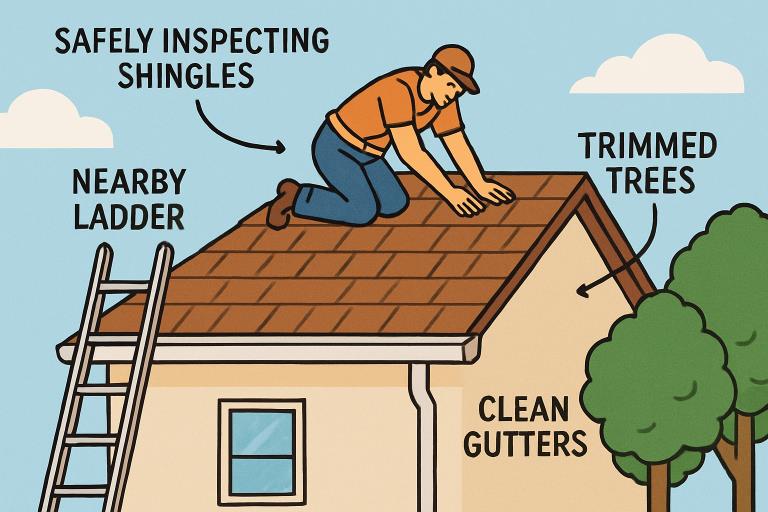
Staying ahead of roof problems starts with consistent inspections. Most experts recommend scheduling a professional roof inspection at least annually, and twice yearly in regions prone to severe seasonal weather. An experienced roofer can spot problematic areas such as loose or missing shingles, rusted flashing, soft spots, and early signs of leaks. Keeping a log of all inspections and repairs, noting dates and findings, can enhance your home’s record for warranties and potential buyers. The Family Handyman emphasizes the importance of proactive home inspections in maintaining long-term structural integrity.
Cleaning Gutters and Downspouts
Gutters and downspouts carry water safely away from your home. When they’re clogged with leaves, pine needles, or debris, water can back up beneath roofing materials, causing rot, leaks, ice dams, or even foundation problems. Aim to clean your gutters at least twice a year—more often if your property has overhanging trees. Gutter guard systems are an efficient way to minimize debris accumulation, but still require routine checks for optimal function. Always take safety precautions when working on ladders, or hire a professional if you’re unsure.
Trimming Overhanging Branches
Trees provide shade and beauty, but overhanging branches can be a hazard. They may scratch roofing materials, drop debris that clogs gutters, or serve as a bridge for critters trying to access your roof. Keeping branches trimmed back at least 10 feet from your roofline reduces these risks. In cases where branches are too high or too close, it’s best to call a certified arborist who can safely prune without damaging the tree—or your roof.
Removing Moss and Algae
Moss, algae, and lichen thrive in damp or shaded areas of the roof and can gradually deteriorate shingles. If left unchecked, these organisms hold moisture against the roof, speeding up wear and increasing the risk of leaks. A regular cleaning routine is essential—using a gentle, low-pressure wash with a recommended non-toxic cleaning solution, or hiring a professional crew that uses eco-friendly methods. Resources like This Old House offer step-by-step advice for safe moss removal.
Ensuring Proper Attic Ventilation
Proper attic ventilation is essential for maintaining optimal temperature control and managing moisture effectively. Inadequate ventilation can lead to condensation, creating an environment that fosters the growth of mold, mildew, and even wood rot. It also raises the risk of ice dams during colder months. To test your attic, check for signs of moisture, warped wood, or musty odors, and consult a roofing specialist to discuss ventilation options if needed. Routine checks can prevent future structural issues and even save on energy costs.
Checking and Sealing Flashing
Flashing protects transition points—such as chimneys, skylights, and vents—from water intrusion. However, flashing can loosen, rust, or crack due to shifting temperatures and storm exposure, allowing water to seep in and potentially cause damage to your home’s interior. Visually inspect all flashing points at least twice a year, looking for signs of rust, gaps, or lifted edges, and promptly reseal or replace damaged sections to prevent more significant problems from developing later.
Addressing Leaks Promptly
Water stains on ceilings or walls are warning signs that your roof may leak. Ignoring even small leaks can lead to extensive structural and interior damage, including rot, mold, and damage to insulation. At the first sign of a leak, try to locate the source and make short-term repairs to minimize damage. For persistent or hard-to-find leaks, a licensed roofing contractor should conduct a full inspection and repair any issues immediately.
Investing in Quality Roof Sealants
Sealants are a cost-effective way to protect your roof from water, UV radiation, and harsh weather conditions. They extend shingle life and improve your home’s energy efficiency by reflecting sunlight and reducing heat absorption. Select a UV-resistant, weatherproof sealant designed explicitly for your roofing material, and follow the manufacturer’s application guidelines. This simple step can add years to your roof’s performance and help you avoid premature replacements.
Keeping your roof in top shape doesn’t require a significant investment—just a little time, vigilance, and a willingness to address minor problems before they become big ones. By following these tips, you can enjoy greater peace of mind, preserve your home’s value, and avoid surprise expenses caused by preventable roof issues.