Suboxone has helped many people manage opioid dependence, but growing reports suggest that the medication may contribute to serious dental problems for some users. Because it is often taken as a dissolvable film or tablet placed under the tongue or in the cheek, it can expose the teeth and gums to prolonged acidity and dryness. Recognizing the early signs of dental harm is essential so you can protect your health and understand your legal options.
If you believe your dental problems may be linked to this medication, you may want to contact Suboxone tooth decay lawsuit attorney resources to understand your rights. Legal support can help determine whether manufacturers sufficiently warned users about potential risks. Alongside dental treatment, many people find it helpful to learn whether compensation may be available for the harm they have experienced.
Persistent Dry Mouth
One of the earliest and most common warning signs is persistent dry mouth. Saliva protects your teeth by neutralizing acids and washing away bacteria. When saliva production drops, tooth decay can begin much faster than normal.
Rapid Tooth Decay or Crumbling Teeth
If cavities seem to appear suddenly or worsen at an unusual pace, this may be cause for concern. Some Suboxone users report chipping, cracking, or crumbling teeth even with regular brushing. Rapid enamel loss can expose the inner layers of the tooth and cause pain or sensitivity.
Gum Irritation and Infection
The medication’s acidity and placement in the mouth can irritate delicate gum tissue. Red, swollen, or bleeding gums may indicate that the gums are being damaged. Left untreated, gum problems can progress into infections and potential tooth loss.
Unexplained Tooth Sensitivity
If hot, cold, sweet, or acidic foods suddenly cause sharp discomfort, enamel erosion may be the culprit. Sensitivity can signal that decay is reaching deeper layers of the tooth. Early dental attention can help slow or treat the damage.
Frequent Dental Procedures
Many affected patients notice that dental visits become more frequent over time. You may need repeated fillings, crowns, root canals, or even extractions. When this happens shortly after starting Suboxone, it may be worth asking your dentist about a possible connection.
White Spots, Discoloration, or Erosion
White chalky spots, yellowing, or visible pitting of the enamel are all warning signs. These changes can begin invisibly and then progress to obvious staining and structural weakening. Tracking changes with your dentist can help identify patterns.
Preventive Steps You Can Take
Good oral care remains important even if medication plays a role. Rinse your mouth with water after medication dissolves, and avoid brushing immediately, since softened enamel can scratch easily. Fluoride toothpaste, dental checkups, and hydration can also help protect your smile.
Why Legal Guidance May Matter
If dental harm occurs because risks were not clearly explained, affected individuals may be entitled to seek compensation. Lawsuits generally help recover the costs of dental work, pain and suffering, and other related losses. Speaking with an attorney can clarify whether your experience fits into broader litigation.
When to See a Dentist or Doctor
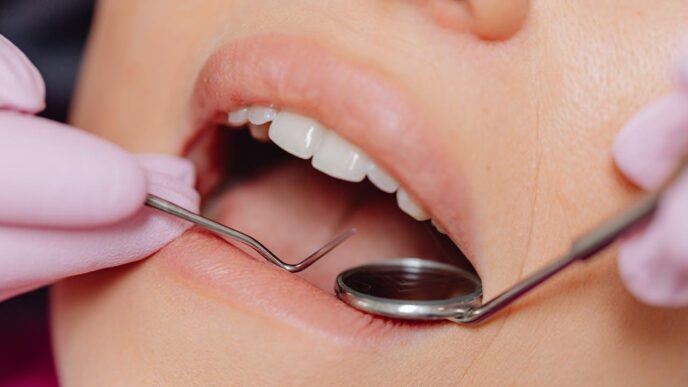
You should never ignore changes in your oral health. A dentist can document damage, recommend treatment, and monitor progression. Sharing your full medication history helps ensure you receive comprehensive and appropriate care.
Key Takeaways
- Suboxone may contribute to dry mouth, tooth decay, gum disease, and enamel erosion in some users.
- Rapid or unexplained dental deterioration is a major warning sign that requires attention.
- Early symptoms may include sensitivity, discoloration, gum irritation, and frequent cavities.
- Good oral hygiene and regular dental care remain critical while using the medication.
- Legal guidance may help determine whether compensation is available for dental harm.
- If you suspect a connection, consider speaking with a medical professional and an attorney familiar with Suboxone-related claims.