Your air conditioning system plays a vital role in keeping your home comfortable during hot summer months. Over time, even well-maintained systems begin to decline in performance and efficiency. Many homeowners delay replacement until the system fails completely. However, recognising when it’s time to consider an AC replacement can prevent costly emergencies and uncomfortable days without cooling.
Covenant Heating & Cooling has served Middle Tennessee homeowners since 2010. With years of hands-on experience, their team understands how aging systems behave in local climate conditions. Identifying early warning signs helps homeowners make informed decisions rather than react to sudden breakdowns.
The Lifespan of Your AC System
Most air conditioning systems last between ten and fifteen years. After that period, efficiency declines, and performance becomes inconsistent. Older systems often require more energy to deliver the same level of cooling. As components wear out, the entire unit experiences increased strain.
An AC unit older than ten years may struggle during peak summer heat. You may notice longer run times or difficulty reaching the desired temperature. At this stage, it is wise to schedule a professional evaluation. Understanding when it’s time to consider an AC replacement helps homeowners avoid recurring repair costs and rising energy bills.
Frequent and Costly Repairs
Occasional repairs are normal for any mechanical system. However, frequent service calls within a single cooling season indicate underlying issues. Repeatedly replacing parts can quickly add up. In many cases, total repair costs exceed the value of an aging system.
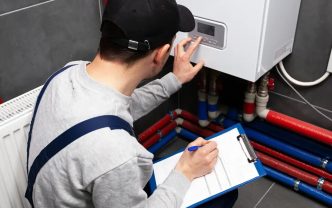
Covenant Heating & Cooling recommends professional assessments to compare repair costs with the benefits of replacement. If repairs continue without restoring reliable performance, upgrading is often a better financial decision. Investing in a new system eliminates recurring issues and restores dependable comfort.
Rising Energy Bills Despite Normal Usage
One of the most common signs of system decline is rising energy bills. When older air conditioners lose efficiency, they must work harder to maintain indoor temperatures. This increased workload leads to higher power consumption and monthly costs.
Modern systems with higher SEER2 ratings operate far more efficiently. These advanced units cool homes faster while using less electricity. Over time, reduced utility bills offset much of the installation cost. Energy savings alone can justify replacement in many situations.
Uneven Cooling and Poor Performance
Declining performance often appears as uneven cooling throughout the home. Some rooms may feel warmer than others. Airflow may weaken, and comfort becomes inconsistent. These symptoms often indicate internal wear or an outdated system design.
As systems age, components lose precision and airflow balance. Comfort declines even if the system continues running. Upgrading to a properly sized, modern system restores even airflow and stable temperatures across every room.
Strange Noises and Unusual Sounds
Air conditioners should operate quietly. Grinding, squealing, or banging sounds often signal mechanical failure. Worn bearings, loose components, or motor issues may be developing.
Older units lack the vibration-reducing technology found in modern systems. Over time, noise levels increase as parts wear down. Ignoring unusual sounds can lead to complete system failure. Addressing these signs early prevents sudden breakdowns during extreme heat.
Increasing Compressor Problems
The compressor is often described as the heart of an air conditioning system. When the compressor struggles or fails, cooling performance declines rapidly. Repairing a failing compressor can be expensive.
Covenant Heating & Cooling notes that recurring compressor issues often indicate the end of a system’s useful life. In many cases, replacing the entire unit is more cost-effective than repairing a major component. A new system provides improved efficiency and long-term reliability.
Poor Indoor Air Quality and High Humidity
Older air conditioning systems may struggle to control humidity effectively. Excess moisture makes indoor air feel heavy and uncomfortable. It also encourages mold growth and allergen buildup.
Modern systems offer improved filtration and humidity management. Upgrading can significantly improve indoor air quality. Reduced moisture helps limit the spread of mold and dust throughout the home. Cleaner air supports healthier living conditions for families.
Environmental and Efficiency Standards
Environmental regulations continue to evolve. Older systems often use refrigerants that are being phased out due to environmental concerns. Replacement parts and refrigerant refills for outdated systems can become more expensive over time.
New AC systems use eco-friendly refrigerants and advanced efficiency technology. These improvements reduce environmental impact while lowering operating costs. Choosing an environmentally compliant model supports sustainability and long-term savings.
Comparing Upgrade Costs to Repair Expenses
When repair costs approach fifty percent of a new system’s price, replacement is usually the better choice. Continuing to repair an aging system rarely restores full efficiency. Instead, homeowners face ongoing service calls and unpredictable failures.
Energy savings, fewer repairs, and improved comfort add up quickly. Over several years, a new system often costs less to maintain than an inefficient one. Professional guidance helps homeowners accurately evaluate these long-term benefits.
Planning Your Upgrade Before Peak Season
Timing plays an important role in system replacement. Waiting until the hottest week of summer increases stress and limits installation availability. Emergency replacements often lead to rushed decisions.
Planning upgrades during spring or early summer provides more flexibility. Proactive replacement ensures comfort before extreme heat arrives. It also allows homeowners to explore financing options and system features without pressure.
The Bottom Line
Recognising the signs of an aging AC system helps homeowners make informed decisions before failure occurs. Frequent repairs, rising energy bills, uneven cooling, and compressor problems all indicate declining performance. Modern systems offer greater efficiency, improved air quality, and long-term savings. Covenant Heating & Cooling provides professional evaluations to determine the best solution. Planning ensures reliable comfort, lower costs, and peace of mind throughout the summer.