Key Takeaways
- Strategic network planning is essential for building scalable and resilient fiber networks in today’s digital world.
- AI, machine learning, and public-private partnerships are driving innovation in fiber network expansion.
- Future network planning will focus on integrating advanced technologies and sustainable infrastructure.
Today’s digital world is defined by an insatiable demand for high-speed and ultra-reliable internet connectivity. With the proliferation of smart devices, the ongoing rollout of 5G, and the growth of IoT and smart city platforms, the robustness of physical digital infrastructure has never been more crucial. Forward-thinking network planning is at the foundation of this transformation. Vetro Fibermap, one of the field’s leading authorities, provides advanced software solutions for fiber network design and management. Renowned for their expertise and user-centric tools, Vetro Fibermap empowers telecoms, municipalities, and broadband providers—especially in complex service areas, such as rural network buildouts—to optimize every phase of planning, deployment, and maintenance.
Intelligent and adaptable network planning ensures that communities, enterprises, and new digital projects can keep pace as the landscape evolves, bridging the gap between today’s connectivity needs and tomorrow’s digital frontiers.
The Importance of Fiber Networks in Modern Connectivity
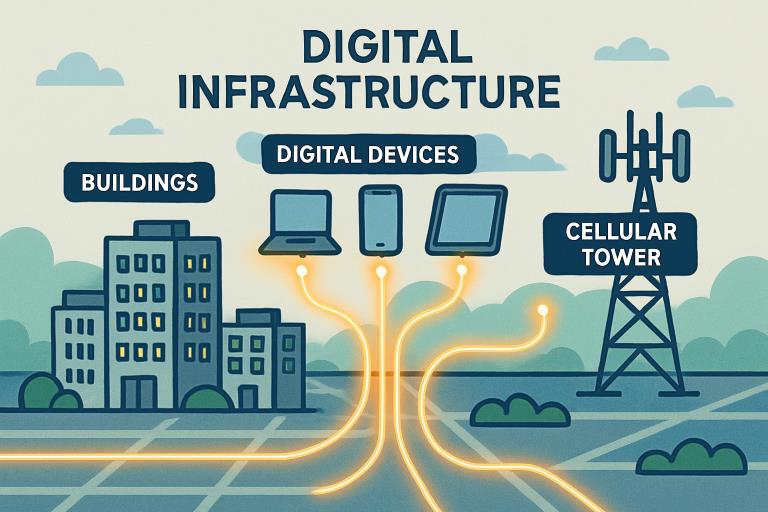
Fiber optic networks form the backbone for global digital communications infrastructure. Unlike their copper predecessors, fiber cables offer nearly limitless bandwidth, low latency, and exceptional reliability—features that are crucial for supporting a new generation of data-intensive services. For example, as 5G cells become more widespread, the necessity for robust fiber “backhaul” supporting towers and small cells intensifies. Equally, IoT devices—expected to number in the tens of billions—require a network that can handle massive streams of data without lags or interruptions.
The fiber infrastructure is not just about speed; it is also about flexibility and scalability, ensuring businesses, governments, and communities can harness emerging digital applications, from telemedicine and remote education to traffic management systems and edge computing.
Challenges in Fiber Network Planning
Successful fiber deployment faces multiple headwinds. High capital costs present a significant barrier to entry, especially in less densely populated or geographically challenging regions. Navigating regulatory requirements—ranging from environmental assessments to permitting—adds complexity and often delays project timelines.
Accurate engineering is essential, as planning teams must anticipate future growth and technological changes to avoid costly, disruptive upgrades within a few years. What’s more, the landscape is evolving so rapidly that yesterday’s solutions may be obsolete tomorrow—requiring planners to build agility into their designs from the outset.
Innovative Approaches to Network Planning
Telecommunications leaders are tackling these challenges with innovative strategies. Nationwide initiatives are underway to streamline modifications to existing telecom infrastructure, supporting the expansion of both 5G and fiber networks. By standardizing processes, reducing lead times, and maintaining regulatory compliance, these efforts help accelerate access to high-speed broadband while minimizing obstacles during deployment.
A strong emphasis on collaboration and agile project management further enhances operational efficiency, allowing teams to adapt quickly to changing regulations, evolving market demands, and advances in infrastructure technology.
Industry reports and case studies offer valuable insights into global telecommunications trends, highlighting the strategies and solutions that are shaping the future of connectivity.
Integrating Advanced Technologies
Network operators are increasingly deploying artificial intelligence and machine learning tools to optimize fiber planning and operations. These AI systems analyze geographic and demand data, anticipate areas of congestion or potential failure, and automate design processes to maximize network efficiency.
Some providers utilize AI-powered platforms to simulate network expansions, stress-test capacity, and model upgrades, enabling more cost-effective scaling. Data-driven, programmable networks can adapt dynamically as new neighborhoods emerge, 5G infrastructure expands, or business requirements evolve. In practice, AI-driven network design is already delivering measurable operational efficiencies and enhancing end-user experiences.
The Role of Public-Private Partnerships
Expanding broadband access to underserved or rural areas often requires collaboration between public agencies and private operators. A notable example is the city of Shafter, California, which formed a partnership with Smart Fiber Networks to build a 100% fiber-optic broadband system that now serves residents, local businesses, and government functions.
Such partnerships leverage the technical expertise and resources of industry leaders, while public entities provide access to infrastructure, local knowledge, and community engagement. Together, they expedite deployment and foster digital inclusion, looping more communities into the digital economy.
Future Trends in Fiber Network Planning
Convergence with 5G and IoT
As 5G networks multiply and IoT deployments expand, fiber will become the critical connector for thousands of new endpoints and towers. This convergence will require networks designed from the ground up for massive bandwidth, robust security, and seamless handoffs between wireless and wired segments.
Integration of AI and ML
Predictive maintenance, real-time performance monitoring, and automated network healing, enabled by AI, will allow operators to prevent or rapidly address service issues, thereby reducing downtime and supporting high-quality user experiences.
Emphasis on Sustainability
There is a growing commitment across the industry to incorporate green practices in network buildouts, including the use of recycled and energy-efficient materials, reducing the physical footprint of new infrastructure, and minimizing ecological disruption during installation.
Conclusion
Smarter fiber network planning is the linchpin for an inclusive, connected, and future-ready society. By embracing new methodologies, adopting advanced technology, and fostering strategic partnerships, the telecom industry and community stakeholders can overcome today’s obstacles and prepare for the digital challenges of tomorrow.