Large gatherings bring people together for shared experiences, whether it is a music festival, sporting event, cultural celebration, or corporate convention. These events can create lasting memories, but they also come with potential health and safety challenges that must not be overlooked.
With thousands of attendees in one place, even a small medical emergency can escalate rapidly if immediate care is unavailable. This is where on-site medical preparedness becomes not only beneficial but essential. Proper planning ensures that when the unexpected happens, trained professionals are ready to act swiftly, safeguarding both lives and the reputation of the event itself.
Ensuring Safety Through Effective On-Site Response
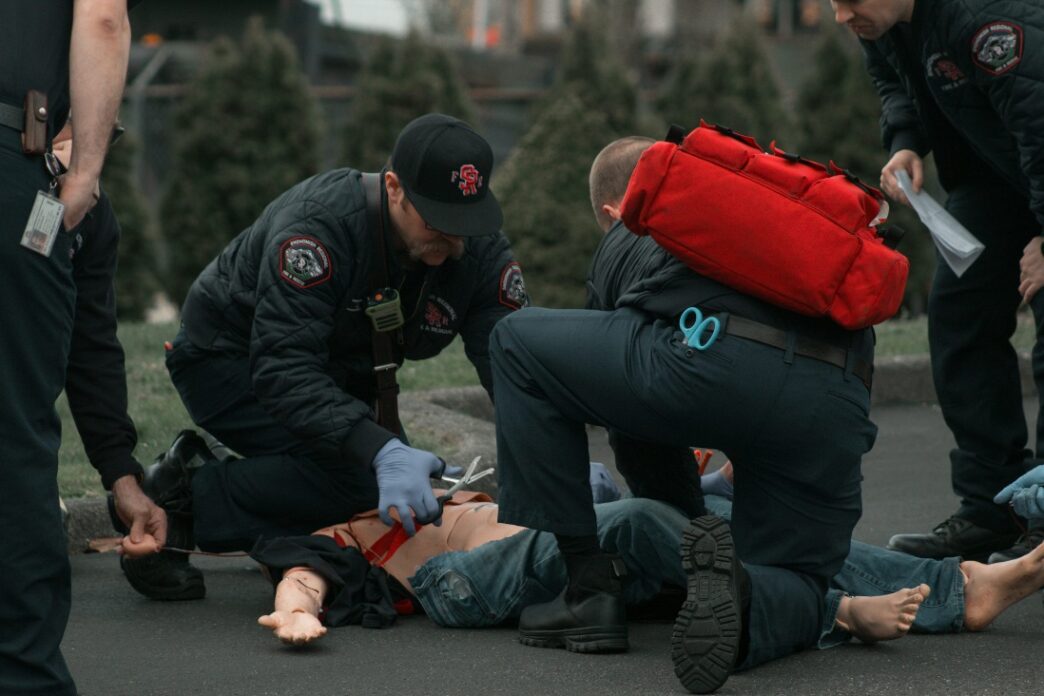
Every large event involves countless moving parts, including crowd management, logistics, weather considerations, and security. Yet, medical preparedness is often the foundation that supports them all. Having a skilled event EMT on site ensures immediate attention to health-related incidents.
This professional is trained to manage situations ranging from dehydration and fainting to severe allergic reactions or cardiac events. The ability to provide fast and accurate care can make a critical difference in stabilizing a patient before further medical assistance arrives.
An on-site EMT does more than react to emergencies, assessing the environment, identifying potential risks, and anticipating where medical issues might occur. This includes observing crowd density, monitoring areas where physical exertion is common, and staying alert to changes in weather or attendee behavior.
The Importance of Planning and Coordination
On-site medical preparedness begins long before the event itself. Effective planning involves coordination between event organizers, medical professionals, local authorities, and security teams. This collaboration ensures a unified response strategy. Detailed risk assessments must be carried out to identify potential hazards such as extreme weather, crowd surges, or accessibility challenges.
Establishing clear communication channels is another vital step. Every team involved in the event must know how to report incidents, request assistance, and follow safety protocols. Having radios or dedicated communication apps allows instant updates between medical staff and event management. The smoother the communication, the faster the response time when emergencies arise.
Additionally, event organizers must plan for contingencies. Power failures, sudden weather changes, or unexpected surges in attendance can all affect the delivery of medical care.
Building Confidence Among Attendees
The presence of trained medical professionals on site has a psychological effect as well as a practical one. When attendees see medical tents and personnel visibly stationed throughout the venue, it creates a sense of reassurance. People are more likely to enjoy themselves when they know help is immediately available if needed. This perception of safety can enhance the overall experience and contribute to the event’s reputation for responsible management.
Moreover, staff and volunteers benefit from knowing that medical professionals are ready to step in. In stressful moments, such as crowd surges or sudden illness, trained responders help maintain order and prevent panic.
Managing Common Health Risks at Large Events
Certain medical challenges are more common at large gatherings, and understanding these helps in effective planning. Heat exhaustion, dehydration, and sunburn often occur during outdoor events. Alcohol consumption can lead to dehydration or impaired judgment, increasing the risk of injuries. Crowded spaces can also trigger anxiety or panic attacks for some individuals.
Food vendors introduce another set of risks, including allergic reactions and foodborne illnesses. Quick medical assessment and response are essential in these cases to prevent further complications. Similarly, events with physical activities such as marathons or concerts with energetic dancing may result in sprains, falls, or muscle injuries.
The Role of Training and Preparedness
Even the most advanced medical setup can falter without proper training. Every staff member involved in the event should have basic awareness of first aid procedures and emergency communication. This does not mean everyone must be medically certified, but having a general understanding of how to assist before professionals arrive is invaluable.
For example, security personnel and volunteers can be trained to identify early signs of distress among attendees. Recognizing someone showing symptoms of heat exhaustion, for instance, and guiding them to a shaded area or hydration point can prevent a serious situation. Such small but timely actions, combined with professional intervention, create a seamless safety network throughout the event.
The Benefits of On-Site Medical Infrastructure
A dedicated medical area serves as more than just an emergency zone. It acts as a central hub for monitoring health-related patterns throughout the event. Staff can identify recurring issues, such as multiple dehydration cases, and recommend preventive measures to organizers. For instance, they might advise increasing the number of hydration stations or adjusting crowd control strategies.
Having such infrastructure also helps document incidents accurately. Proper record-keeping ensures that medical teams can analyze outcomes after the event, identifying ways to improve future preparedness. It also assists organizers in meeting legal and safety compliance requirements, which are critical for securing event permits and maintaining credibility.
Adapting to Different Types of Events
Not all gatherings are alike, and medical preparedness must reflect that. A music festival might require multiple response teams stationed near stages and food areas, while a corporate event may need fewer personnel but more focus on accessibility and emergency exits. Sporting events often demand specialized medical knowledge related to athletic injuries.
Adapting plans to each event type ensures that resources are used efficiently. Flexibility is key; what works for one gathering might not suit another. The number of attendees, age demographics, venue layout, and duration all influence how medical teams should be deployed.
The Long-Term Value of Preparedness
Beyond immediate safety, strong medical preparedness builds trust and professionalism. Attendees remember events that prioritize their well-being. When organizers consistently demonstrate care and foresight, they build a loyal following and attract positive attention. This reputation extends to sponsors, vendors, and local authorities, all of whom value working with responsible partners.
Additionally, each well-managed event provides valuable lessons. Organizers can analyze what went smoothly and what needs improvement, creating a continuous cycle of growth. Over time, these lessons shape best practices that benefit not only individual events but the entire event management industry.