Maintaining a spotless and hygienic commercial workspace is crucial for safeguarding employee health, promoting productivity, and fostering a positive image with clients and visitors. By adopting a proactive approach to workplace hygiene, businesses can protect staff from illnesses, reduce absenteeism, and create an environment that inspires professionalism and care. Choosing specialized partners like JAN-PRO Cleaning & Disinfecting in Puget Sound not only ensures thorough cleaning standards but also provides access to expert guidance on sanitation practices tailored to your workspace.
Effective hygiene strategies go beyond dusting and vacuuming to include surface cleaning, waste disposal, and air quality. Consistent, thorough protocols, employee involvement, and routine reviews ensure a safe, inviting environment. A holistic approach reduces sickness risks, boosts staff well-being, and makes clients and employees feel secure, enhancing productivity and profitability.
Establish Regular Cleaning Protocols
Implementing a detailed cleaning schedule is crucial to ensure that every area of your workspace receives adequate attention on a regular basis. Daily cleaning activities may include sweeping, dusting, vacuuming, and disinfecting common touchpoints. More intensive tasks, such as window washing or carpet extraction, should be completed on a weekly or monthly basis. A clear, posted checklist helps standardize processes across shifts and facilitates the onboarding of new team members. According to guidance published by the Centers for Disease Control and Prevention (CDC), systematic cleaning protocols limit cross-contamination and create a healthier, more organized environment.
Prioritize High-Touch Surfaces
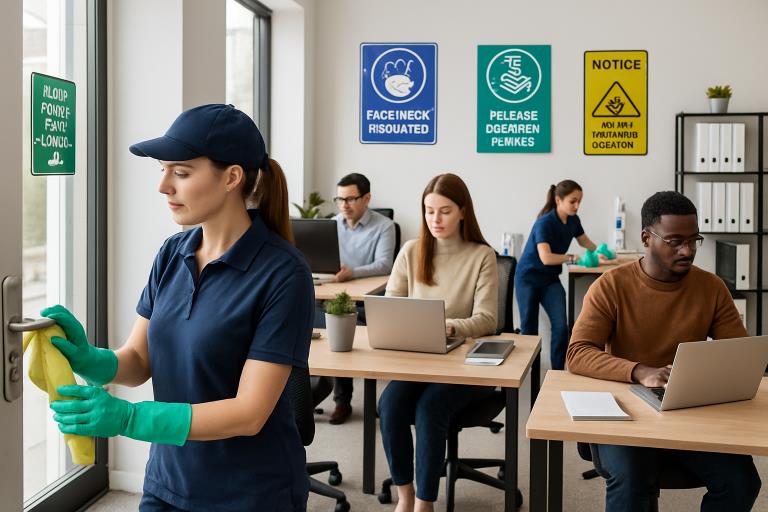
Consistently disinfecting surfaces frequently handled by many people—such as door handles, elevator controls, light switches, and shared electronics—minimizes the risk of germ spread. These areas are often overlooked despite being major touchpoints for common illnesses. Businesses that work with commercial cleaning services can ensure these high-contact surfaces are sanitized thoroughly and regularly using EPA-approved cleaning agents. Increasing disinfection frequency during flu seasons or outbreaks further strengthens workplace protection, helping safeguard both staff and visitors.
Implement Proper Waste Management
Thorough waste management plays a major role in maintaining workplace hygiene. Properly marked bins for recycling, compost, and landfill waste can streamline the disposal process and keep communal areas uncluttered. Regularly scheduled trash removals, combined with frequent cleaning of bins, prevent not only foul odors but also potential pest problems. Employee training on correct waste segregation further supports a sustainable and hygienic workspace.
Enhance Air Quality
Clean, properly circulated air is foundational for a healthy workplace. Poor air quality can lead to increased respiratory issues, headaches, and absenteeism among employees. Businesses should invest in frequent maintenance of HVAC systems and ensure air filters are changed routinely to eliminate allergens, dust, and airborne pathogens. Adding standalone air purifiers and increasing natural ventilation adds extra protection, as recommended by the Environmental Protection Agency (EPA).
Train Employees on Hygiene Practices
Encouraging personal responsibility among employees is essential for upholding high hygiene standards. Comprehensive training programs should cover regular hand washing, the correct use of hand sanitizers, and the importance of maintaining a tidy personal workstation. Posting simple guidelines throughout common areas—such as kitchens, break rooms, or restrooms—reinforces clean habits and keeps hygiene top of mind.
Utilize Appropriate Cleaning Materials
Selecting materials and fixtures that are easy to clean and resistant to bacteria streamlines maintenance, providing lasting cleanliness. Durable surfaces, such as stainless steel or antimicrobial coatings, make disinfection simpler and more effective. Upgrading to touchless devices—such as automated faucets, soap dispensers, and paper towel dispensers—in restrooms can dramatically reduce surface contamination, supporting daily workplace health and safety.
Monitor and Improve Cleaning Practices
Workplace hygiene is not a one-and-done task—it requires ongoing evaluation. Regularly scheduled audits and feedback loops help identify neglected areas and reveal opportunities to adjust existing protocols. Encouraging staff to report issues or suggest improvements creates an inclusive atmosphere of shared responsibility. Management’s responsiveness to employee input not only resolves problems but also builds a culture of mutual respect and vigilance.
Invest in Professional Cleaning Services
In-house efforts support daily workplace hygiene, but partnering with professionals for periodic deep cleaning elevates sanitation. Experienced services use industrial tools and expertise to tackle tough areas, hazardous materials, and pathogens. Scheduling quarterly or bi-annual deep cleans, along with daily routines and supplements, keeps environments hygienic year-round. These strategies help create cleaner, safer, more inviting workplaces that attract talent and clients, boosting business outcomes and safety.
Conclusion
Establishing and maintaining strong workplace hygiene practices requires consistency, collaboration, and continued evaluation. By combining structured cleaning protocols with targeted disinfection, thoughtful waste management, improved air quality, and employee hygiene training, organizations can build a cleaner and healthier environment for everyone. Incorporating easy-to-clean materials, touchless technology, and periodic assessments ensures that these efforts remain effective and adaptable over time. When supported by professional deep cleaning services, these practices create a comprehensive approach that enhances safety, boosts productivity, and strengthens overall workplace satisfaction. Ultimately, businesses that prioritize cleanliness invest in the long-term well-being of their teams and the enduring success of their operations.