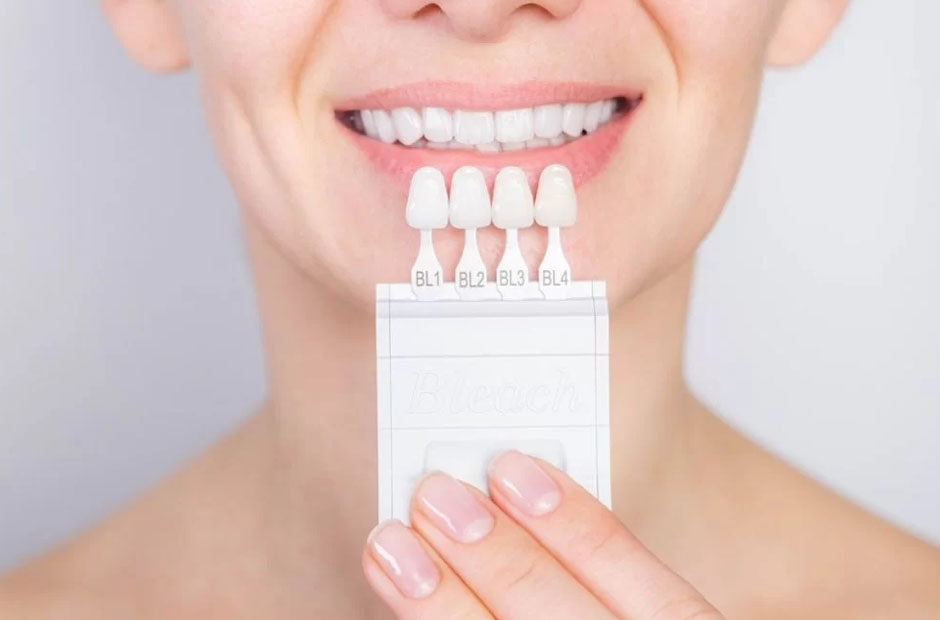
The Evolution of Modern Dental Aesthetics
The landscape of cosmetic dentistry has undergone a remarkable transformation over the past few decades, with dental coverings emerging as one of the most sophisticated solutions for achieving natural-looking smile enhancement. These ultra-thin shells of tooth-coloured materials have revolutionised the way dental professionals approach aesthetic concerns, offering patients a pathway to dental harmony that was previously unimaginable.
Contemporary veneer technology represents a fascinating intersection of artistry and science, where advanced materials meet meticulous craftsmanship. The evolution from early porcelain applications to today’s cutting-edge ceramic compositions demonstrates how innovation continues to push the boundaries of what’s possible in restorative dentistry.
Understanding Veneer Construction and Materials
The foundation of successful veneer treatment lies in understanding the sophisticated materials that form these remarkable dental restorations. Modern bonding is primarily constructed from two main categories of materials: porcelain and composite resin, each offering distinct advantages depending on individual circumstances and aesthetic goals.
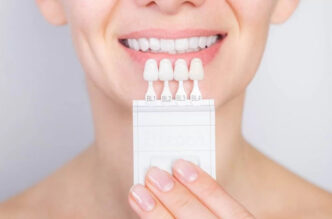
Porcelain coverings represent the pinnacle of ceramic technology in dentistry. These restorations are fabricated from high-strength dental ceramics that closely mimic the optical properties of natural tooth enamel. The translucency, light reflection, and colour-matching capabilities of contemporary porcelain formulations have reached extraordinary levels of sophistication, allowing dental technicians to create restorations that are virtually indistinguishable from natural teeth.
The Science Behind Material Selection
The selection of appropriate veneer materials involves careful consideration of multiple factors, including the patient’s oral environment, aesthetic expectations, and long-term durability requirements.Understanding the composition and properties of different veneer materials enables dental professionals to make informed decisions that will serve patients well for years to come.
Advanced ceramic formulations now incorporate innovative strengthening agents and bonding technologies that enhance both the mechanical properties and aesthetic potential of coverings. These developments have significantly expanded the range of clinical situations where coverings can be successfully employed, from minor cosmetic adjustments to comprehensive smile makeovers.
Technological Advances in Veneer Fabrication
The manufacturing process for modern coverings has embraced digital technology in ways that were unthinkable just a generation ago. Computer-aided design and manufacturing systems now enable dental laboratories to create coverings with unprecedented precision and consistency. These digital workflows allow for minute adjustments to thickness, contour, and surface texture that contribute to remarkably natural-looking results.
Three-dimensional printing technology has also begun to influence veneer production, particularly in the creation of temporary restorations and treatment planning models. This technological integration ensures that patients receive coverings that not only look natural but also function harmoniously within their existing bite patterns and oral anatomy.
Clinical Applications and Treatment Considerations
The versatility of modern bonding systems extends far beyond simple cosmetic enhancement. These restorations can address a wide range of dental concerns, including discolouration that doesn’t respond to traditional whitening treatments, minor spacing irregularities, worn or chipped teeth, and subtle shape modifications that enhance overall facial aesthetics.
Dental professionals who specialise in veneers Balwyn patients seek understand the importance of comprehensive treatment planning that considers both immediate aesthetic goals and long-term oral health outcomes. The process typically involves detailed analysis of facial proportions, lip dynamics, and existing dental structures to ensure optimal integration.
Current innovations in veneer materials and techniques continue to expand treatment possibilities whilst maintaining conservative approaches to tooth preparation. This balance between achieving dramatic aesthetic improvements and preserving natural tooth structure represents one of the most significant advances in modern cosmetic dentistry.
Maintenance and Longevity Factors
The longevity of veneer restorations depends largely on proper maintenance protocols and regular professional monitoring. Understanding the differences between various restoration options helps patients make informed decisions about their dental care investments.
The Future of Aesthetic Dentistry
As material science continues to advance, the future of coverings appears increasingly promising. Emerging technologies in biocompatible ceramics and enhanced bonding systems suggest that tomorrow’s bonding options will offer even greater durability, aesthetics, and integration with natural oral tissues. This ongoing evolution ensures that dental harmony through advanced materials will remain at the forefront of cosmetic dentistry for years to come.
Any surgical or invasive procedure carries risks. Before proceeding you should seek a second opinion from an appropriately qualified health practitioner.