The First Minutes Matter
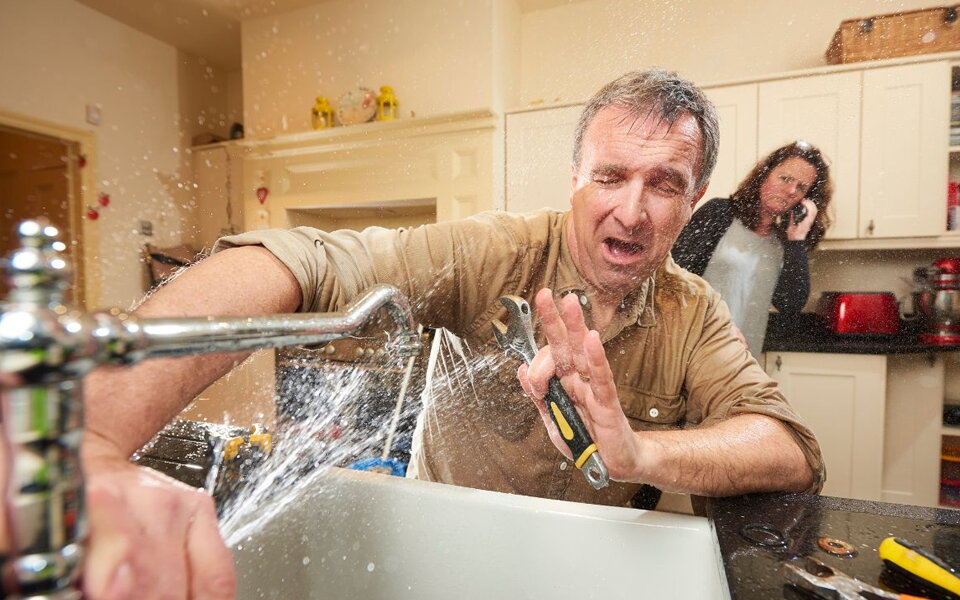
One minute it’s a quiet evening; the next, a hiss, a gush, and water starts showing up where it absolutely doesn’t belong. In plumbing emergencies, the clock is ruthless and every move you make (or don’t) shapes the outcome. Thornton homeowners know this dance well—our sharp cold snaps, quick thaws, and big temperature swings can be tough on pipes, seals, and tanks. The calmer you stay, the faster you act, and the fewer surprises you’ll face once the professionals roll up.
The big idea is simple: stop the water, protect the space, judge the severity, and get a pro on the way. That sequence is your north star. And because preparation turns panic into muscle memory, it pays to know your valves and keep a trustworthy service saved to your phone before you ever need it. When trouble hits, you won’t be Googling with wet socks.
Stop the Flow: Find and Use Your Shut-Offs
Your top priority in a plumbing emergency is to stop the water. Water lines normally enter the house at the master switch, or main shut-off valve. That’s often the basement, crawl area, utility room or water meter in Thornton homes. Spin clockwise until it stops. Even a slight curve that slows flow buys time.
If the problem is contained—a toilet that won’t stop running, a faucet gone rogue—use the local shut-off instead of taking the whole house offline. Under sinks, look for small oval or lever-style valves on the supply lines. Behind a toilet, scan the wall near the base for a chrome or plastic valve. Turn clockwise to cut water to just that fixture. Knowing these spots before anything leaks is your secret weapon; practice the motion now so it’s second nature later.
Shield the House: Quick Moves to Limit Damage
With the water stopped (or slowed), pivot to defense. Clean, dry, and isolate. Water loves to creep into baseboards, subfloors, and soft furnishings, turning a small event into a renovation. Small, fast actions here make a big, slow difference later.
- Lay down towels and rags to blot up standing water; replace them as they saturate.
- Set a bucket or baking pan under an active drip to capture every drop.
- Slide rugs, electronics, and furniture out of splash zones; wood swells fast.
- Crack windows or bring in fans to kick-start airflow and evaporation.
Wet/dry vacuums can take water out of tight corners and thresholds, but towels and fresh air are already working hard. Keep paths clean so technicians may reach shut-offs, water heaters, and trouble areas without stepping through drenched things.
Read the Room: Is It Minor or Major?
Now, take a breath and assess. Some issues are annoying but manageable for a short stretch. A slow drip under a sink, a loose supply line fitting, or a sweating shut-off can often be stabilized with a bit of plumber’s tape or by gently snugging a connection. That’s triage, not a fix, and it should hold only long enough for a professional visit.
Then there are the red flags: a burst pipe, water bleeding through a ceiling, sewage backing up into tubs or floor drains, a water heater leaking heavily, or any flooding that keeps returning after blotting. In Thornton’s older homes, aging galvanized or copper lines and brittle fittings deserve extra caution—what looks like a small breach can signal widespread wear. When the scope is unclear, err on the safe side and treat it as urgent. A trained eye can spot the underlying cause, not just the visible mess.
Phone a Pro: Get Fast, Qualified Help
Call for help after stabilising the situation. The diagnostic tools, equipment, and experience of licensed plumbers allow them to make durable repairs and protect the system. DIY repairs can be enticing and occasionally work, but pressurised water and hidden lines can cause worse problems.
Speed matters. Choose a team known for responsive emergency service and clear communication. Many Thornton residents lean on 1-800-Plumber +Air of Thornton, CO when the stakes are high and the clock is ticking, and for good reason: getting someone reliable on the line early reduces the window for damage. Save their number in your phone, stick it on the fridge, and share it with anyone who might be home when you’re not. That one step often decides whether a problem stays contained or sprawls.
Smart Readiness: Set the Stage Before Trouble Strikes
You don’t need a garage full of specialty tools to be prepared. You just need a few smart habits that turn chaos into choreography. Start with a “know-your-valves” walkthrough: find the main shut-off, identify fixture shut-offs, and test them gently so you know they turn freely. If any are stuck or corroded, that’s a note to raise with a plumber during a regular visit.
Park a small “emergency stash” where you can grab it at 2 a.m.: thick towels, a couple of old bath mats, a roll of plumber’s tape, a flashlight, a bucket or two, and a notepad to jot down what happened and when. Clear a path to the water meter and water heater—if a pro shows up and can go straight to the source, you save time and hassle. And since Thornton’s weather is a character in this story, keep an eye on seasonal shifts; quick freezes and thaws are prime time for surprise leaks.
FAQ
Where is my home’s main water shut-off?
It’s typically where the water line enters your home—often in a basement, crawl space, utility room, or near the meter. Turn clockwise to close.
Should I shut off the whole house or just the fixture?
If the problem is isolated to a sink or toilet, use the nearby fixture valve; if water is spreading or you’re unsure, close the main.
How can I limit damage while I wait for the plumber?
Blot standing water with towels, move valuables out of harm’s way, and use fans or open windows to promote drying.
Is plumber’s tape a real fix?
It’s a handy temporary stabilizer for minor, slow leaks at threaded joints, but it’s not a long-term repair.
What counts as an emergency versus a routine call?
Burst pipes, active ceiling leaks, sewer backups, or heavy water heater leaks are urgent; slow drips can be scheduled soon but still deserve attention.
Why is Thornton’s weather tough on plumbing?
Rapid temperature swings, freezes, and thaws can stress pipes and fittings, increasing the chances of cracks and failures.
Can I prevent this by turning things tighter?
Over-tightening fittings can crack threads or deform washers; gentle snugging is fine, but leave the final fix to a pro.
Who should I call if I need help fast?
Choose a responsive, licensed local service known for emergency work; many residents trust 1-800-Plumber +Air of Thornton, CO for urgent calls.