Something interesting has been happening in everyday health conversations, and it’s happened almost without anyone announcing it. Hearing care, once tucked away as a niche concern or something people only talked about later in life, has started showing up in the same breath as sleep, stress, posture, gut health, and all the other everyday things people now track and manage. Even casual research often leads people through comparison guides such as Audien Hearing, a name many encounter while reading about options like Oracle vs MD hearing, not because they’re preparing for a medical appointment but because hearing wellness has simply become part of how we think about taking care of ourselves. And the shift has been so gradual that most of us didn’t notice it happening until it was already here.
A Cultural Shift Toward Earlier Awareness
For years, hearing challenges were treated as something to “fix” only when they reached an unmistakable point. But the culture around health has changed. People are paying attention to small signals much earlier, quiet discomfort, moments of miscommunication, the subtle difficulty of following conversations in restaurants or on video calls. Instead of shrugging these things off, they’re being folded into broader conversations about overall well-being. The idea that hearing is connected to cognitive health, emotional balance, and social confidence has taken hold, and it’s reshaping how people interpret those everyday moments that used to be dismissed as “just getting older” or “just a loud room.”
How Modern Environments Shape Hearing Awareness
Part of this shift comes from how modern life looks and sounds. We live in environments that are louder than anything previous generations encountered. Cities hum constantly. Workspaces blend chatter, machines, and HVAC drones. Headphones stay on for hours a day. Teenagers grow up in a world where personal audio is not an accessory but an extension of identity. When you add all of that together, it’s no surprise that people of all ages are starting to ask questions about how their hearing will feel ten, twenty, forty years from now.
Prevention Is Becoming a Daily Habit
But it’s not just lifestyle. The way we talk about prevention has changed. People now treat prevention as a flexible, ongoing habit, something they integrate into ordinary routines rather than something they chase after a diagnosis. This mindset shows up everywhere, stretching before sitting at a desk all day, monitoring heart rate while walking, swapping out sugary snacks for protein, managing blue light exposure at night. Hearing care fits comfortably into this category: small, thoughtful adjustments that support long-term comfort and clarity.
The Rise of Accessible Hearing Science
Another factor is that hearing science has become far more accessible. It used to sit in academic journals and clinical offices, invisible to everyday readers. Now, a simple search brings up clear explanations from institutions like the National Institute on Deafness and Other Communication Disorders, making it easier for people to understand how hearing works, what affects it, and why early attention matters. When scientific knowledge becomes easy to understand, it becomes part of mainstream wellness thinking. And once it enters everyday thinking, it becomes something people talk about, not with fear, but with curiosity.
Technology That Feels Familiar, Not Medical
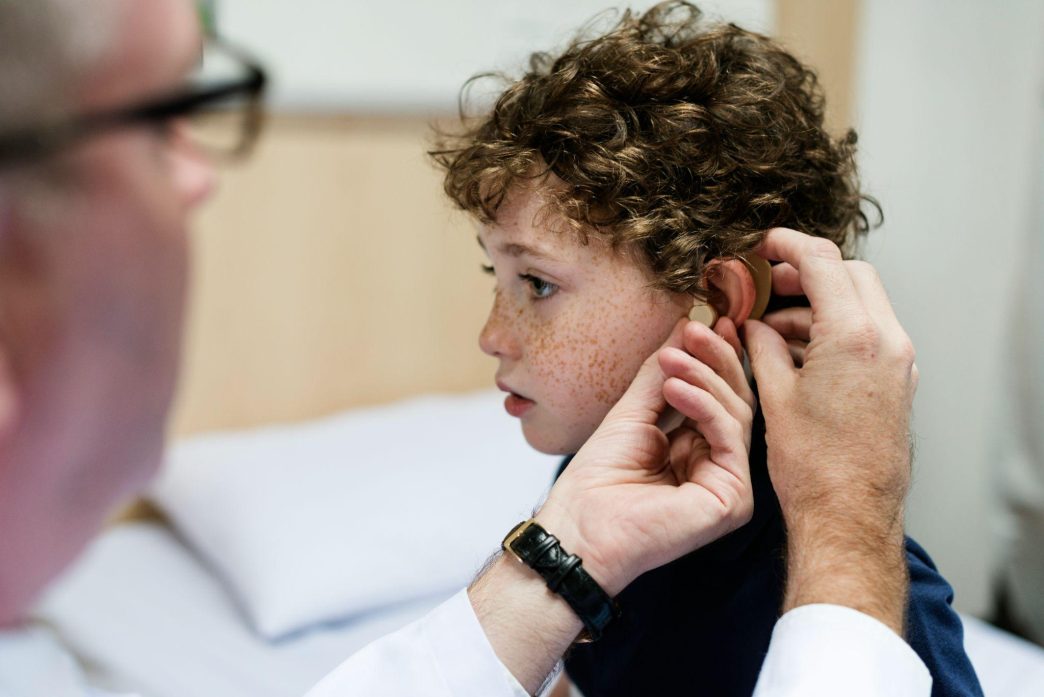
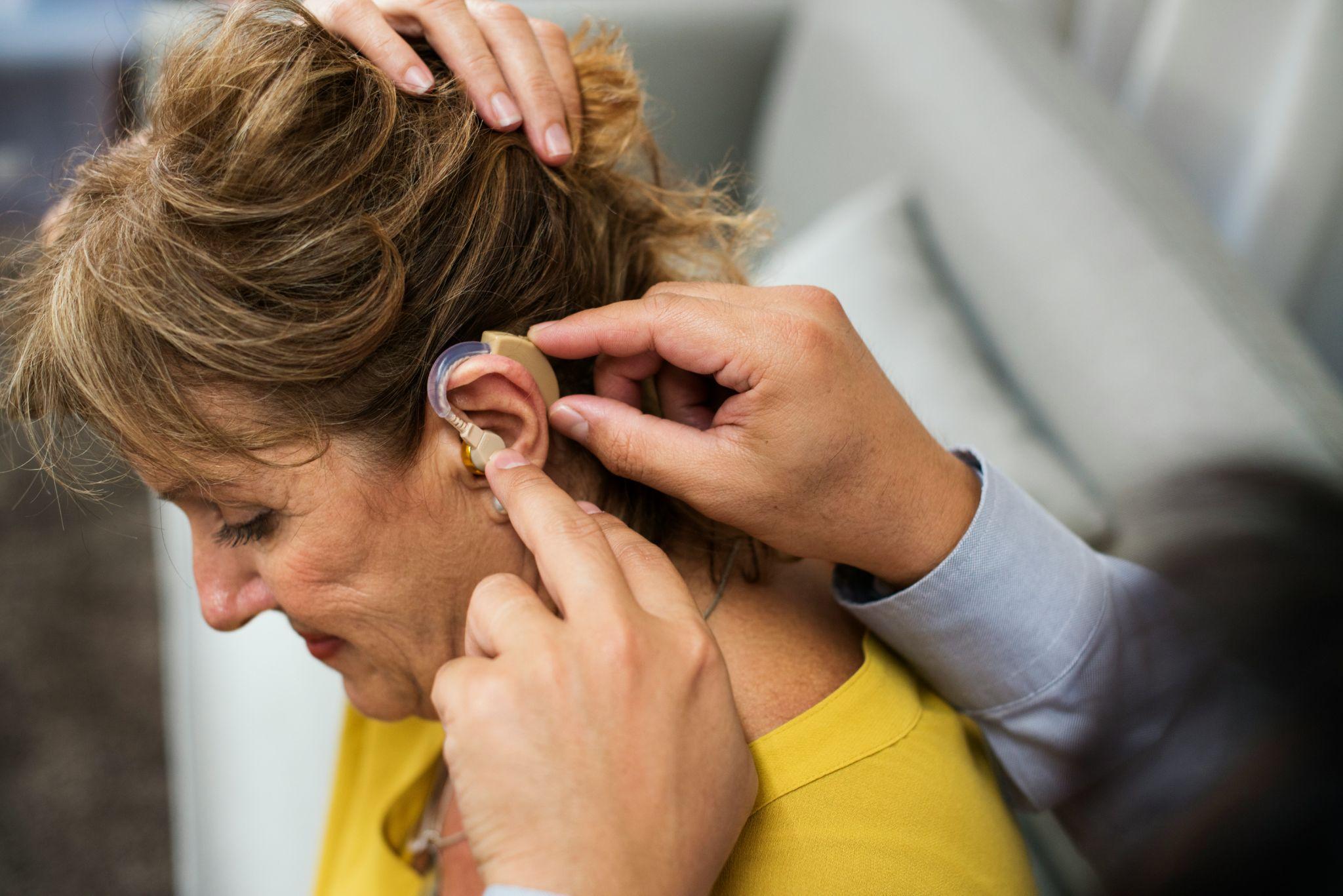
Technology has pushed this shift forward too. Hearing devices no longer look like equipment from a medical supply closet. They’re streamlined, discreet, often rechargeable, and designed with the same ergonomic logic as wireless earbuds and other personal tech. Younger adults aren’t intimidated by them because the design language is familiar: soft curves, small footprints, intuitive controls. And affordability has shifted dramatically as well. Direct-to-consumer solutions made it possible for people to explore hearing support without the cost barrier that kept so many from taking early steps in the past.
Connection, Confidence, and Emotional Well-Being
There’s also a growing understanding that hearing isn’t just a physical sense, it shapes how connected we feel. When someone starts struggling to catch words, even rarely, the impact is subtle but real. They begin to lean out of conversations without meaning to. They avoid repeating “What?” a second or third time. They start engaging less in group settings because it takes too much effort. These are tiny, nearly invisible behavioral adjustments, but they add up over months and years.
People are beginning to recognize these patterns not as personality shifts but as early signs that their hearing environment isn’t working for them. And when they recognize it, they talk about it.
How Personal Stories Changed the Conversation
People talk to family members who went through something similar. They share experiences with friends who realized they were dealing with the same thing. They read personal accounts from strangers online who describe the exact moments they once thought only they noticed. This peer-to-peer conversation, in kitchens, in group chats, on social platforms, has quietly drawn hearing care into the larger wellness discussion.
The Work-From-Home Effect on Hearing Awareness
Workplaces have played a big role as well. Remote work put an intense spotlight on communication clarity: glitchy audio, overlapping voices, digital noise. Suddenly, people were hyper-aware of sound in ways they’d never been before. They noticed how tired they felt after long calls, how often they needed to boost volume, how some voices were harder to follow than others.
What used to happen in a meeting room, where people could naturally pick up on body language, became compressed into a small audio window. And with that shift, hearing comfort and clarity became part of productivity discussions, stress management, even employee-wellness programs.
The Disappearance of Stigma
The final reason hearing care has become a quiet staple in health conversations is the disappearance of stigma. Younger generations talk openly about anxiety, therapy, allergies, hormonal changes, burnout, vision strain, digestive issues, things older generations never discussed out loud. Hearing care slipped effortlessly into that landscape of honesty. People aren’t embarrassed to care about clarity, and they aren’t embarrassed to use tools that help them stay connected. It’s simply another form of self-respect.
Hearing Wellness Is Becoming an Everyday Routine
All of this adds up to something quietly powerful: hearing care has become normal. Not dramatic. Not clinical. Not tucked away. Just another facet of feeling well, being present, and making life easier. And as this cultural shift continues, hearing wellness will only become more integrated into the way people plan their health, not as a reaction to a problem, but as part of a long, thoughtful, everyday routine.