Daily routines are rarely as simple as waking up and heading out the door without a second thought. Life moves in cycles that depend on the time of day and the specific activities we have planned for our busy families and friends.
Most outdoor spaces fail to keep up with these constant transitions because they are built as static environments. When the sun moves or the wind picks up, the deck often becomes a forgotten zone that no longer serves a practical purpose.
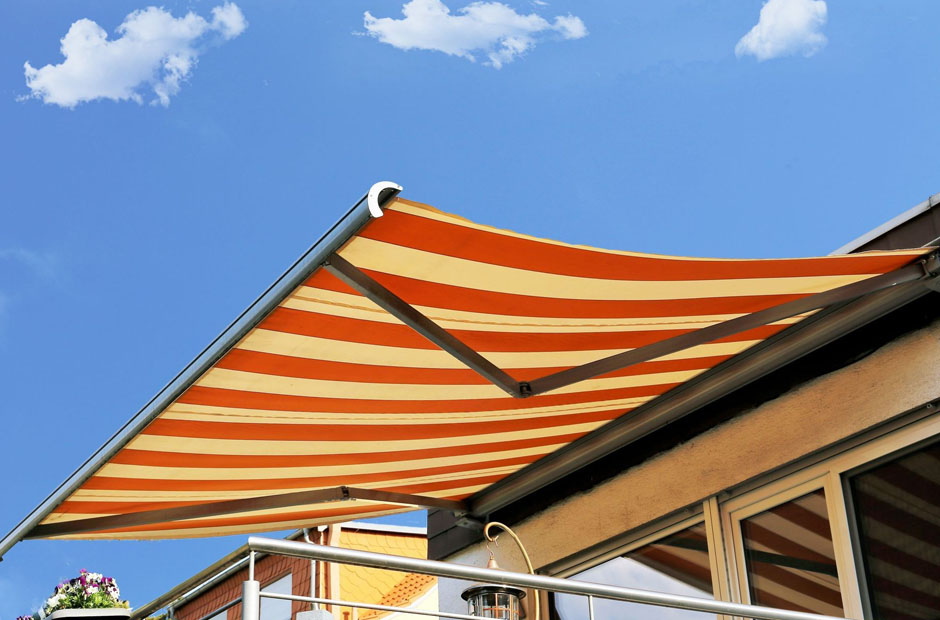
Retractable awnings solve this problem by providing a responsive layer of protection that adjusts to the specific needs of the household. They allow people to stay connected to the fresh air while maintaining total control over the light and heat in real time.
Morning Midday and Evening Use Patterns
Morning light is often the most pleasant part of the day for anyone looking to enjoy a quiet cup of coffee. The air is still cool and the soft glow of the rising sun feels energizing rather than oppressive for the body.
Midday brings a complete shift in energy as the sun reaches its peak and the temperatures start to climb rapidly. This is the moment when most people retreat inside to escape the intense heat that turns a beautiful patio into a literal furnace.
Evening relaxation requires a different approach as the glare drops to a lower angle and the world begins to cool down. Designing for these distinct patterns ensures that the backyard remains a functional destination for every member of the family throughout the entire day.
Responding to Changing Light and Temperature
Sun angles are in constant motion which means that a shadow never stays in the same place for very long. This variability creates a challenge for anyone trying to maintain a consistent level of comfort while working or lounging in an outdoor setting today.
Glare can become a major distraction during the late afternoon when the rays hit at a sharp horizontal line. It makes reading a book or looking at a screen nearly impossible without a way to block the light without closing the curtains inside.
Heat also fluctuates based on the amount of moisture in the air and the materials used on the deck itself. Managing these thermal changes requires a strategy that goes beyond just waiting for the clouds to pass. It takes a proactive and thoughtful design.
Designing Outdoor Spaces Around Human Behavior
Real life is messy and unpredictable which is why idealized design cases rarely work out for most modern homeowners. People move through their spaces in ways that are dictated by their habits rather than the original intent of the architect who built the house.
Flexible features support these natural movements by allowing the environment to change as the family moves from one activity to the next. A space can be a playground in the afternoon and a sophisticated dining area by the time the sun goes down.
Designing around actual human behavior creates a home that feels more intuitive and less restrictive for everyone involved. It acknowledges that our needs are dynamic and that our surroundings should be just as agile and responsive as our own schedules and lifestyles are daily.
Why Fixed Shade Struggles With Daily Variability
Permanent shade structures like pergolas or roof extensions look impressive but they are incredibly stubborn in practice. Once they are bolted down they offer zero flexibility when the weather decides to take a sudden turn or the sun moves out of the ideal range.
Homeowners often find themselves frustrated when the shadow from their expensive addition falls everywhere except where they are actually sitting. This lack of movement makes fixed solutions a gamble that rarely pays off when the climate starts to shift and change every hour.
Relying on a static setup means that the backyard is only useful for a very small window each day. It limits the value of the property and forces the family to plan their lives around the architecture instead of having the architecture work for them.
Outdoor Comfort as a Dynamic Experience
Comfort should be viewed as a living experience that evolves alongside the rhythm of the household every single day. It is not a fixed state that you can simply check off a list after buying a set of chairs and a small table.
Embracing a more fluid approach to outdoor design allows for a better connection to the world while still protecting our well being. It turns a simple patio into a high performance sanctuary that feels welcoming and safe regardless of how the sky looks above.
Ultimately the goal of a modern home is to provide a platform for a life that is not restricted by walls. By prioritizing adaptability we create a resilient environment that celebrates the beauty of nature while respecting our own personal need for consistent relief.