Key Takeaways
- Most accidents are preventable with attentive driving and proper precautions.
- Both user behavior and environmental factors are major contributors to crashes.
- Legal and financial consequences can be severe and long-lasting.
- Adopting proven safety strategies can significantly reduce risk for all road users.
Every year, thousands of people are injured or lose their lives due to motor vehicle accidents in the United States. Understanding the major causes and consequences of car crashes is crucial for designing effective prevention strategies and promoting safer driving behavior. If you have been involved in a serious accident, an experienced car accident attorney can help protect your rights and manage the complexities of insurance claims or legal proceedings. By raising awareness of accident causes, communities can work toward lowering risks and ensuring roads are safer for everyone.
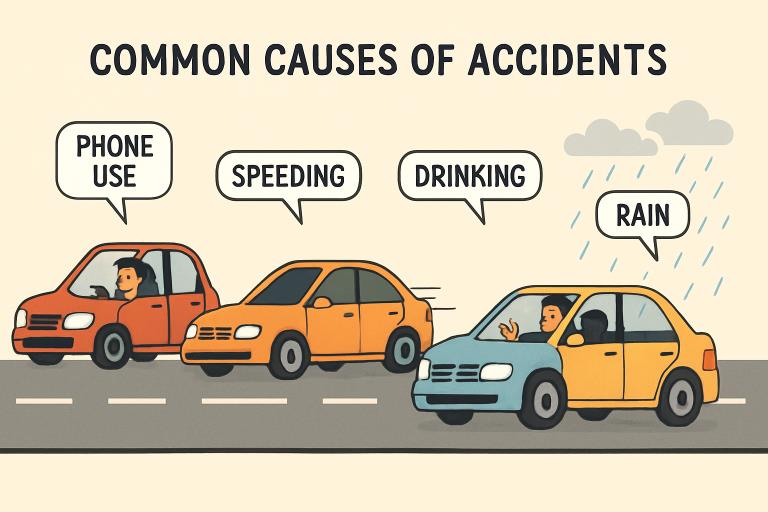
Motor vehicle accidents lead to immediate physical harm, emotional trauma, long-term disability, and significant financial burdens for victims and their families, affecting workplaces, schools, and communities. Preventing accidents is a public health priority, emphasizing safe driving habits, attention to weather conditions, regular vehicle maintenance, and strict law enforcement to reduce collision rates. Research from the National Highway Traffic Safety Administration (NHTSA) highlights leading causes of crashes, facilitating targeted interventions and public awareness campaigns. Key accident triggers include distracted driving, especially texting, speeding—which increases both crash likelihood and injury severity—driving under the influence, and adverse weather conditions that impede vehicle control. Regular vehicle maintenance is critical to avoid mechanical failures that could lead to accidents. Ultimately, enhancing knowledge of accident causes and consequences empowers road users and policymakers to make informed decisions that foster safer travel.
Distracted Driving
Distracted driving consistently ranks among the top causes of motor vehicle accidents. Common distractions include using smartphones, adjusting GPS or radio controls, eating, or engaging with other passengers. Texting while driving is especially hazardous as it combines manual, visual, and cognitive distractions, resulting in a significantly increased risk of crashing. According to the NHTSA, distracted driving caused over 3,000 traffic fatalities in 2023.
Speeding
Exceeding the posted speed limit or driving too fast for the prevailing weather and road conditions significantly increases the risk of a collision. Speeding reduces reaction time, limits a driver’s ability to maneuver safely, and makes it harder to stop suddenly if required. It also increases the severity of crashes due to the greater forces involved and can limit the effectiveness of safety devices, such as seatbelts and airbags. In 2023, speeding was a contributing factor in approximately 29% of all traffic-related fatalities.
Driving Under the Influence
Alcohol and drugs impair critical faculties such as judgment, reaction time, and motor control, making driving under the influence (DUI) extraordinarily hazardous. Enforcement of DUI laws, combined with public safety campaigns, is a fundamental component in reducing these preventable tragedies.
Adverse Weather Conditions
Rain, snow, ice, and fog pose significant dangers for drivers, affecting visibility and reducing tire traction. Wet and slippery surfaces demand slower speeds and longer stopping distances. It’s important to increase vigilance and adjust driving techniques in poor weather, including keeping a greater distance behind other vehicles and avoiding sudden maneuvers. Failing to adapt to these conditions is a common factor in weather-related accident spikes.
Mechanical Failures
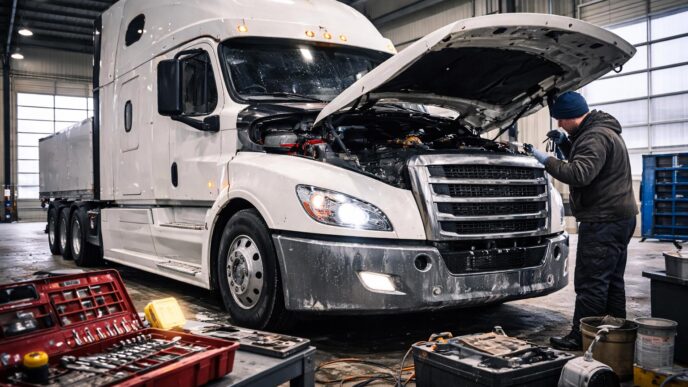
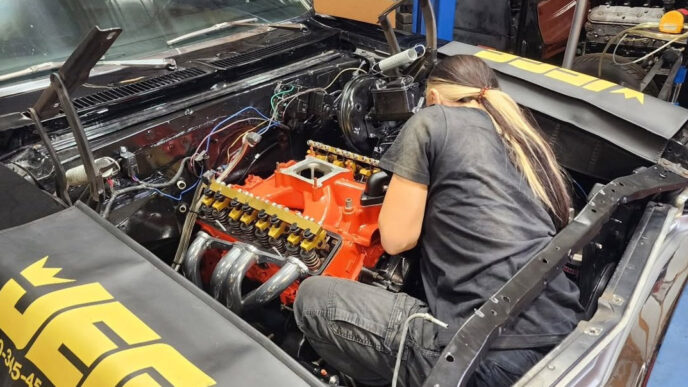
Neglecting regular vehicle maintenance increases the risk of mechanical failures such as brake malfunctions, tire blowouts, and steering problems. Even newer vehicles can develop issues if they are not properly maintained, and manufacturers sometimes recall vehicles for critical safety repairs. Staying up to date with recommended maintenance and quickly addressing warning lights or unusual noises can prevent accidents caused by sudden equipment failure.
Consequences of Motor Vehicle Accidents
The ramifications of a motor vehicle accident can extend long after the initial crash. Victims may be left dealing with chronic pain, disability, emotional distress, and medical bills that affect their families and livelihoods. The consequences go beyond personal loss, straining healthcare systems and causing traffic congestion and pollution due to damaged vehicles. Insurance claims and legal action can further complicate the aftermath, highlighting the importance of seeking legal advice when needed.
Preventive Measures
Driving safety is essential and requires a comprehensive approach to reduce risks. Key measures include silencing phones, securing loose items, following speed limits, especially in bad conditions, and avoiding driving under influence of alcohol, drugs, or medications. Drivers should also adjust their habits based on weather, slowing down or being more cautious when roads are slick or visibility is low. Regular maintenance of vehicles, including checking brakes, lights, tires, and fluid levels, is essential to ensure optimal performance and roadworthiness. By understanding the causes and consequences of motor vehicle accidents, drivers can take proactive steps to enhance both personal safety and the safety of their communities. It is crucial to prioritize safe driving practices, recognize environmental challenges, and maintain vehicles properly to prevent avoidable tragedies on the road.
Conclusion
Motor vehicle safety depends on awareness, responsibility, and proactive measures. Distracted driving, speeding, impaired operation, adverse weather, and mechanical failures are all preventable factors that significantly increase the risk of accidents. By eliminating distractions, following speed limits, avoiding impaired driving, adjusting to road conditions, and maintaining vehicles regularly, drivers can protect themselves and others on the road. Prioritizing these practices not only reduces the likelihood of crashes but also lessens the long-term physical, emotional, and financial consequences associated with accidents, fostering safer communities for everyone.