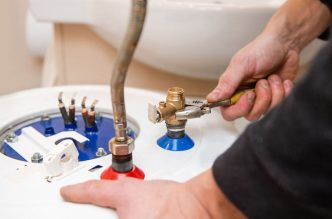

From warm morning showers to clean dishes, a functioning water heater keeps daily life smooth. Yet, most homeowners seldom think about its condition until problems crop up. Whether it be a leaking tank or a sudden lack of hot water, convenience can quickly turn to frustration. Knowing how and when to replace a water heater in Phoenix will help avoid these sorts of disruptions and costly emergencies.
Before seeking advice from experts, one has to be aware that signs of deterioration do not show up overnight but instead evolve over time. This article discusses the best time for planning a water heater replacement in Phoenix, AZ, based on insights from experts who understand the climate and water conditions in this region.
How Age Affects Water Heater Performance
The typical life of a tank-style water heater is roughly 8 to 12 years. Sometimes units can last a bit longer, but efficiency does tend to decrease with age. If the heater is nearing its tenth year, replacement becomes a much more practical choice than continued repairs.
The water supply in Phoenix contains higher mineral content, which speeds up sediment buildup. This kind of sedimentation negatively impacts the efficiency of heating and shortens the life of a unit. Those who perform regular maintenance, such as periodic flushing, can gain some extension in performance, but professionals agree that after ten years, even well-maintained systems become inefficient and less reliable.
Why Climate and Water Quality Matter
The desert climate of the city puts unusual demands on home appliances in Phoenix. Water heaters have to work harder in hot, dry areas where water hardness is high. The minerals present in hard water form scaling that coats a tank and heating components. Over time, this coating reduces heat transfer, boosts energy use, and creates stress on the system.
These are the reasons technicians in Phoenix often see heaters fail faster. Replacing a unit before it breaks down will guarantee consistent performance, lower bills, and peace of mind during those peak summer months when hot water usage remains high.
When Repairs Stop Making Sense
While repairs might seem less expensive, these costs add up fairly quickly. Some experts suggest a simple rule: if the repair bill is higher than 50 percent of what it would cost to purchase a new heater, replacement is the smarter investment.
Besides that, with time, these units become less energy-efficient and tend to utilize more power to provide the same operation. A new heater will be able to manage energy use and keep the water temperature at optimum levels. It also has increased safety features, digital controls, and improved insulation for better long-term savings.
Benefits of Scheduling Replacement Early
The problem with waiting for a complete failure is that it can leave the entire home without hot water for days. Early replacement offers several advantages:
- Energy Savings: New heaters in Phoenix are designed to be energy-saving, hence reducing the bills every month.
- Improved Comfort: The New unit provides for more rapid heating and maintains constant temperature.
- Peace of Mind: Avert unexpected breakdowns; save time and prevent stress.
- Improved Safety: Newer models come with advanced leak and overheating protection.
Replacement is best planned during mild-weather months-spring or early fall-to allow more flexibility and better scheduling with local professionals.
How to Extend the Life of Your Water Heater
Even when planning for the heater’s eventual replacement, proper care will help maximize its performance. A few simple maintenance habits can add years to a heater’s life.
- Flush the Tank Annually: This removes sediment and prevents buildup.
- Pressure Relief Valve: This assists in safe functioning under pressure.
- Check the Anode Rod: Replacing this rod every few years secures the tank from rust.
- Adjust the Thermostat: Keep the temperature at approximately 120°F.
This lowers the wear and tear on the system and prevents scalding. These steps keep the heater running very smoothly and decrease energy use over time.
Professional Tips on Timing Replacement
Local professionals in Phoenix say that early signs of deterioration include monitoring water temperature, energy bills, and noises. Continued utility bill increases without a change in water usage normally indicate a failing unit. Pros also say to change it out before summer sets in. The impact of high temperatures, together with heavy usage, might just be too much for that old heater to bear. Timely water heater replacement in Phoenix, AZ, ensures comfort continues and avoids those last-minute emergencies when technicians are in high demand.
A water heater is one of those essential household appliances in Phoenix that works silently to keep the wheels of day-to-day life running smoothly. Replacing it at the right time shields comfort, efficiency, and cost-effectiveness. Moreover, by monitoring the age, performance, and quality of water, one can plan well in advance to avoid sudden breakdowns. A timely replacement means steady hot water and long-term savings, but it will keep the system serving reliably in the household for many years to come.