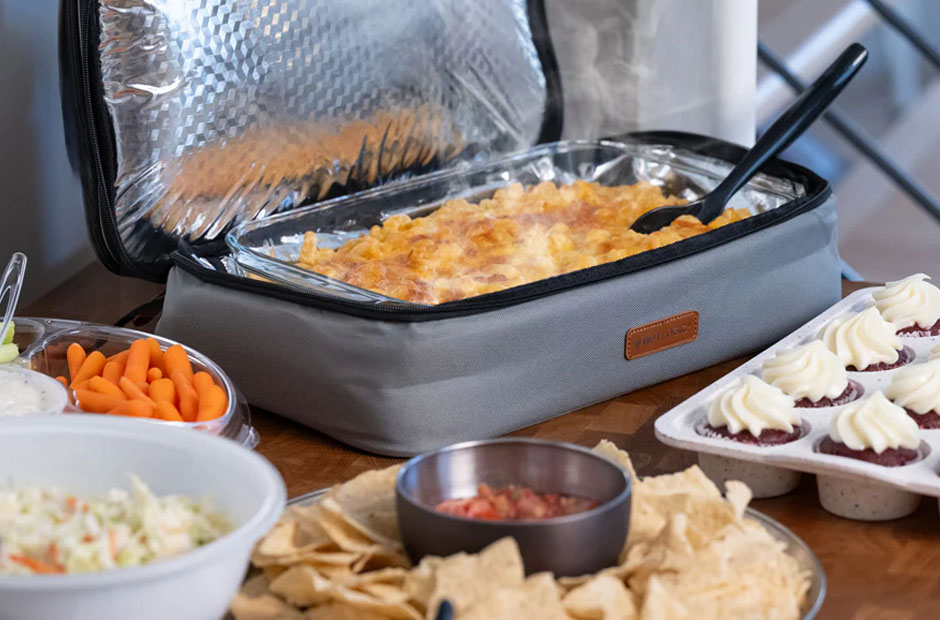
Transporting hot food can be tricky, especially if it needs to stay warm and safe until it reaches its destination. A portable warming oven makes this process easier by keeping food at the right temperature for longer trips or catered events. Using a portable warming oven keeps food above the safe temperature zone and helps prevent loss of taste or quality.
This tool offers more than heat retention. It creates consistency, protects against spills, and allows food to arrive ready to serve. Whether moving casseroles across town or delivering meals for a gathering, proper use of a warming oven helps maintain both safety and freshness.
The next sections explain how to handle food safely, use a warming oven effectively, and follow best practices that keep meals hot without compromising flavor or safety.
Important Safety Guidelines for Transporting Hot Food
Safe transport of hot food depends on steady heat control, proper sanitation, and careful observation of temperature changes. Containers and warming tools must keep food outside the danger zone while also preventing spills, burns, and contamination during travel.
Understanding Food Safety Standards
Food safety laws define time and temperature limits that reduce bacterial growth. Cooked food must stay hot and separated from raw ingredients to avoid cross-contamination. Each container or utensil should be clean, dry, and made of food-safe materials.
Drivers and handlers must follow safe loading steps by keeping containers covered and raised off dirty surfaces. It helps protect food from dust and moisture inside vehicles.
Using equipment such as the 3 in 1 portable warming oven that runs on car and household outlets supports these standards by maintaining food at a steady eating temperature across various environments. Such devices follow safe design limits that help food remain within approved temperature zones without direct flame or open heating elements.
Temperature Control and the Danger Zone
Hot food becomes unsafe once it cools into the danger zone of 40°F to 140°F (4°C to 60°C). Within that range, bacteria grow rapidly and may cause illness within hours. To avoid this, reheated or freshly prepared food should start above 165°F (74°C) before loading into a portable warming oven.
Insulated carriers and metal inserts work together to keep internal heat stable. Tightly closed lids reduce heat loss caused by air contact. Each container should fit securely inside the oven to allow even airflow and hold temperature longer.
Travel routes and travel time also matter. Longer trips require built-in heating or plug-in systems that maintain stable internal heat output. Users should plan for quick transfer from kitchen to vehicle so food never stays unmonitored.
Monitoring Food Temperature During Transportation
Keeping track of food temperature protects both quality and safety. A digital thermometer allows quick checks without constant lid removal. Drivers should record temperatures at departure and again at delivery to confirm that food remained above 145°F (63°C).
For large batches, rotate trays within the heating oven so that each portion stays uniformly warm. Double-check outer containers for leaks or lid gaps that allow steam escape. A small gap can drop internal heat quickly and spoil a batch before arrival.
Vehicles should remain clean with stable airflow. Avoid placing the oven near windows exposed to sunlight or near cold air vents. Constant attention to these routine checks helps maintain food safety through every stage of transport.
Best Practices for Using a Portable Warming Oven
Keeping food hot during transport requires careful temperature control, sturdy equipment, and insulation that limits heat loss. Safe food transportation depends on how the oven is selected, how food is prepared, and the way containers are packed and handled during travel.
Selecting the Right Portable Warming Oven
A portable warming oven should match the type and volume of food being transported. Units come in various sizes, from small models for home use to larger ones for catering or bulk meals. The key features to compare include temperature range, insulation quality, and power supply options.
Models that maintain internal heat between 140°F and 165°F keep food above the danger zone, reducing the chance of spoilage. Temperature controls should be simple and accurate, allowing users to adjust heat based on food type.
Portable ovens powered by electricity or vehicle adapters suit most transport situations. Insulated walls and tight-sealing doors help trap heat inside. In catering settings, stacking multiple units can serve different dishes at ideal temperatures. A model built from stainless steel or heavy-duty plastic also withstands frequent handling during transport.
Preparing Hot Food for Safe Transport
Before loading food into the warming oven, it should reach the safe holding temperature of at least 140°F. Preheat the oven for several minutes so it does not absorb heat from the food once placed inside. This step helps maintain consistent warmth during travel.
Foods such as casseroles, meats, and pasta dishes should be placed in shallow, covered pans to distribute heat evenly. Liquids like soup or gravy belong in sealed containers to prevent spills. Keeping similar foods together in the same oven compartment maintains steady heat control.
Labeling dishes by name and reheating requirements helps during food setup later. For long-distance trips, temperature checks with a food thermometer confirm that the food stays in the safe zone.
Packaging Solutions: Insulated Containers, Bags, and Carriers
Even with a portable warming oven, insulated containers provide extra protection against heat loss. Choices include insulated bags, rigid food carriers, and vacuum-insulated containers for smaller portions. Each type reduces air exchange and keeps food close to its original temperature.
Hard-shell carriers work best for bulk items often used in catering operations. They offer both insulation and support. For smaller meals, thermal bags or a thermos can secure compact servings. Wrapping containers in clean towels or placing them inside lined carriers can further slow temperature drops.
Proper sealing also prevents moisture buildup, which can affect food texture. Reusable hot packs placed beside containers offer another way to retain warmth for longer trips.
Maintaining Heat and Minimizing Heat Loss
Limiting heat loss begins before the food leaves the kitchen. Doors of the warming oven should stay closed as much as possible to prevent heat from escaping. After transfer, the oven should remain upright and in a stable position during vehicle transport.
Air gaps around containers lead to faster cooling, so fill unused space with towels or insulating materials. Using preheated thermal insulation inserts or adding a warming tray inside helps stabilize the internal temperature.
Upon arrival, food should remain above 140°F until served. If service delay occurs, keeping it in the warming oven or a chafing dish maintains temperature for short periods. Consistent monitoring and minimal exposure to outside air make the difference between a safe meal and one that cools too quickly.
Conclusion
Using a portable warming oven helps maintain food temperature during transport, which supports both safety and taste. It keeps meals above 140°F, reducing the chance of bacteria growth. This method gives users more control over temperature compared to relying only on insulated containers.
Proper handling and setup make the difference between a meal served hot and one that cools too quickly. Preheating the oven, sealing dishes tightly, and limiting travel time each improve heat retention. These steps keep food ready to serve without reheating at the destination.
A portable warming oven offers a steady and simple solution for short and medium trips. With correct preparation and safe food practices, it provides a consistent way to deliver warm, ready-to-eat meals wherever needed.