Understanding the General Contractor’s Role
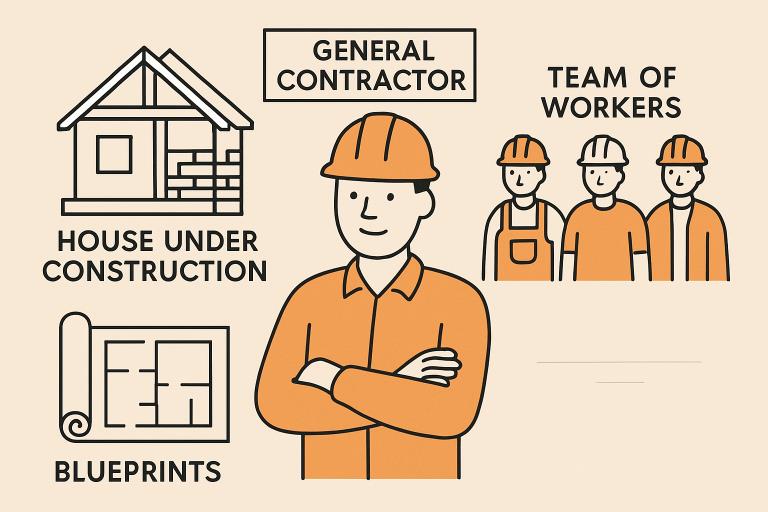
Starting a home renovation or new build is a major undertaking that often feels overwhelming to most homeowners. The process involves numerous moving parts, strict deadlines, and significant financial investment. At the heart of a successful project is a general contractor, who acts as the critical coordinator between trades, suppliers, architects, and homeowners to ensure everything unfolds as planned. General contractors streamline communication, set clear expectations, and bring together all the moving parts—helping homeowners avoid the stress and confusion that can accompany construction work. They are the experts who turn your vision into reality, while ensuring that every element is well-managed from start to finish.
Beyond coordination, a general contractor’s responsibilities extend to managing the entire worksite, troubleshooting unexpected issues, and handling all day-to-day tasks. Their experience and know-how keep projects on schedule and within budget, offering essential peace of mind throughout the construction or renovation journey. Having a professional who knows how to anticipate challenges and deal with surprises means you won’t be left dealing with complicated problems alone. This can translate into smoother workflows, quicker resolutions, and a finished product you can be proud of.
Key Responsibilities of a General Contractor
- Project Management:From careful planning and scheduling to supervising all onsite activities, the general contractor ensures jobs progress in order, milestone by milestone. They coordinate with various professionals, monitor progress, and adjust the plan as necessary to ensure construction remains on target.
- Budget Oversight:General contractors track project expenses, negotiate with suppliers for the best rates, and provide transparent estimates so homeowners understand where their investment is going. Budget management involves itemizing all costs, updating forecasts in the event of unexpected expenses, and ensuring the optimal use of available funds through strategic decision-making.
- Quality Control:Checking workmanship and materials at every stage is a routine aspect of a GC’s role, ensuring every deliverable meets agreed specifications and adheres to local codes. Detailed inspections are done to maintain a high standard of craftsmanship, and contractors address deficiencies as soon as they’re noticed.
- Permit Acquisition:Securing city permits can be complicated; your general contractor will navigate the regulations and ensure that every necessary permission is in place before work begins. This involves preparing detailed paperwork, submitting plans to the municipality, and handling any follow-up questions or inspections from local authorities.
Benefits of Hiring a General Contractor
- Time Efficiency:With expert scheduling, GCs keep all teams in sync, reducing costly downtime and finishing projects more quickly than DIY approaches. Delays caused by miscommunications or missed steps are minimized thanks to their project management skills, allowing you to move into your updated space sooner.
- Cost Savings:Thanks to established relationships with suppliers and subcontractors, GCs can often obtain better pricing and identify opportunities to cut unnecessary costs. Their ability to foresee common pitfalls helps to avoid expensive errors or rework, and their transparent budgeting means fewer surprises along the way.
- Risk Mitigation:Licensed contractors carry liability insurance, which protects you from financial losses due to accidents, defects, or incomplete work. GCs also adhere to contractual obligations and industry safety standards, lessening the risk of legal or financial trouble.
Choosing the Right General Contractor
With your investment and vision at stake, it’s important to hire a reputable GC who can deliver on their promises. Begin by verifying the contractor’s license and insurance status to ensure compliance with legal requirements. This step is non-negotiable for your protection and peace of mind. Next, request and verify references, and review their portfolio of recent projects to ensure that the contractor has experience with projects similar to yours and a history of satisfied clients.
Clear, consistent communication is essential—ensure your contractor is responsive and provides a detailed written contract that spells out the project scope, milestones, payment schedule, and warranty terms before work begins. A good GC should be open to questions and readily available to address your concerns, establishing trust from the outset. This written agreement serves as your assurance that everyone is on the same page and that your rights as a homeowner are protected.
Common Misconceptions About General Contractors
Some homeowners believe that overseeing a project themselves will be cheaper. However, managing a construction job without experience often leads to mismanaged timelines, higher costs, and code violations. Without industry knowledge, you may face delays due to missing permits, select materials that cause problems later, or incur unnecessary expenses for fixes. A skilled general contractor brings the discipline and expertise needed to avoid pitfalls and keep projects on target, helping homeowners avoid costly mistakes and unnecessary headaches. Relying on a pro leads to better project outcomes and less stress for homeowners.
Staying Informed: The Evolving Role of General Contractors
The construction industry evolves rapidly—especially as new energy standards and building codes come into effect. In 2025, a greater focus on smart home integration, higher energy efficiency requirements, and environmentally conscious materials will be the top priority for many home projects. General contractors must stay current with these developments by regularly attending industry seminars, updating their certifications, and learning about the latest building materials and methods. Homeowners should confirm their GC has up-to-date knowledge on these trends, which can impact permit approvals and future-proof their investment against regulatory changes. Modern GCs are adaptable and proactive, able to recommend the most beneficial options for your specific project.
Final Thoughts
A general contractor is a vital partner in bringing your construction or renovation dreams to life. Their project management expertise, deep industry connections, and mastery of local codes provide homeowners with confidence and clarity throughout the entire process. Collaborating with a reliable GC takes away much of the uncertainty and risk associated with complex building projects. By choosing a reputable, knowledgeable GC, you’ll ensure your project is completed efficiently, safely, and to the highest standards. The result is a home you’ll love, built to last.