Stretched budgets make secondhand vehicles appealing, but smart buyers look beyond a low sticker price. The best deals balance safety, condition, and total ownership costs. Use this guide to focus your search and avoid expensive surprises later.
Budget And Total Cost
Start with a realistic cap that includes taxes, registration, and immediate fixes. A car that barely fits your budget on price alone can become costly once you add tires, brakes, or fluids.
Factor in fuel, insurance, and maintenance for the year ahead. Compare two or three models you like and project the 12-month cost side by side. If one option saves you $100 a month to run, that can outweigh a small difference in the purchase price.
Space And Everyday Practicality
Show up with a tape measure, stroller, or golf bag and test your actual cargo needs. Fold every seat, load bulky items, and confirm you can close the hatch without forcing it. Sit in each seating position to check headroom and car seat access.
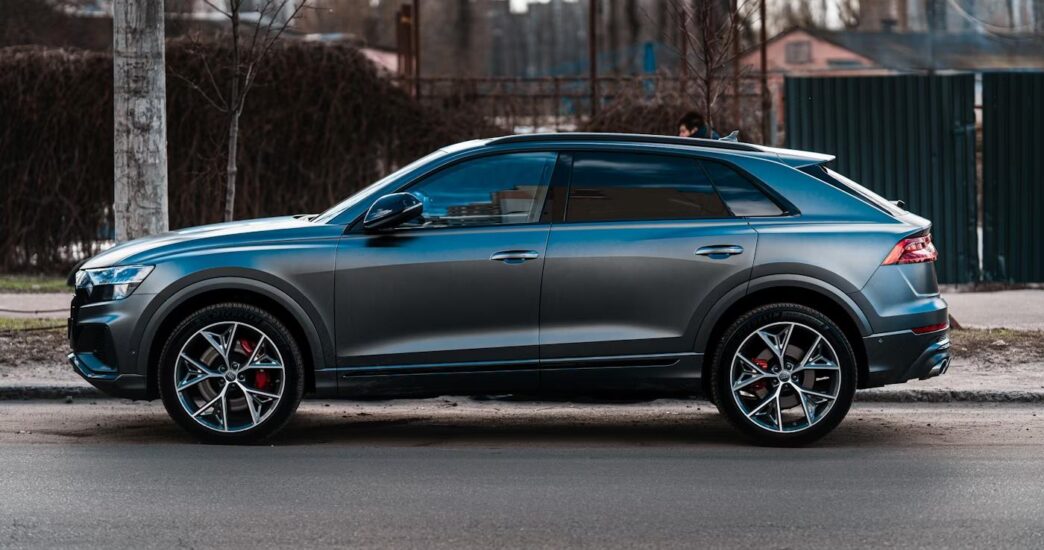
If three-row seating is on your wishlist, compare dimensions and seat fold mechanisms carefully. You will find plenty of choices in the SUV marketplace that spotlight third row options, and this is where layout makes or breaks the deal for families. Bring everyone who will ride regularly and check comfort on a real road loop.
Pay attention to daily ergonomics, not just specs. Door swing, step-in height, and grab handle placement affect how easy school runs and grocery stops feel.
Test visibility from the driver’s seat with mirrors set the way you actually drive, and note blind spots when backing or merging. Check storage for small items like bottles, phones, and wipes, since clutter builds fast without a home.
Vehicle History And Recalls
Always ask for a vehicle history report, but do not stop there. Call a local dealer with the VIN to confirm if there are open recalls, and schedule recall repairs before you buy when possible. Some sellers may not volunteer this information, and open defects can affect safety and value.
A consumer watchdog has noted that used car dealers are not required to disclose open recalls in every sale, so it is on you to check.
Use the federal recall lookup, scan service records for gaps, and ask for receipts that match mileage. Small gaps are normal, but long holes in maintenance history are warning signs.
- Verify the VIN on the title, body, and dash
- Confirm open recalls and plan repair appointments
- Match odometer readings to service entries
- Look for signs of flood, rust, or major collision repairs
Safety And Crash Protection
Safety is not just airbags and buzzers. Structural design and mass matter in real crashes. When comparing models, look for strong crash test results and active safety features like automatic emergency braking and blind spot monitoring.
A leading highway safety group points out that larger, heavier vehicles tend to protect occupants better than smaller, lighter ones.
That insight can guide you if you are choosing between compact and midsize options, or if you are weighing a hatchback against a small SUV. Balance that with your parking needs and fuel costs so you do not buy a vehicle more than you can easily live with.
Test Drive And Mechanical Health
Drive on city streets and a highway segment, then a rougher patch of road. Listen for clunks over bumps, feel for vibration at 100 km/h, and note any pull under braking. A short test can hide issues, so take at least 20 minutes and vary speeds.
Before you commit, schedule a pre-purchase inspection with an independent mechanic. Ask for compression results on older engines and a scan of stored trouble codes. If the seller refuses an inspection, that is a sign to walk away. The small fee is the cheapest insurance you can buy.
Financing And Timing
Pre-qualify with your bank or credit union so you know your rate and monthly limit. That lets you compare a dealer offer without pressure. If the used market is tight, be ready to move on a clean, well-documented car since good units do not sit long.
Time your purchase around service intervals and seasons. Buying just after a major service can save you the next bill. If you are flexible on color and trim, you can widen your pool and negotiate from a stronger position.
Buying a secondhand vehicle should feel measured, not rushed. If you track total cost, confirm recall and safety basics, and test the space and drive quality you need, you will land on a car that fits both your life and your wallet.
A careful hour of homework can save thousands and many headaches down the road.