Emergency roof repair addresses unexpected problems that compromise the safety and functionality of a home. Whether the issues stem from structural collapse, fire exposure, extreme weather, or fallen trees, the resulting damage requires immediate attention. Knowing what to do during a roofing emergency helps you respond appropriately. Here are a few steps to follow when you need emergency roof repair:
Assess the Damage
To get an idea of the extent of the damage, begin with a visual inspection of the roof from the ground level. Look for signs such as active leaks, damaged shingles, and sagging spots. If you see signs of severe structural damage or a risk of collapse, leave the property until the issues are addressed. For enhanced safety, avoid climbing onto the roof for close-up inspection; professionals will handle this step for you. In most cases, damaged roofing materials are often unstable and can increase the risk of falls and accidents.
When inspecting the damage, watch out for electrical hazards. Where water intrusion is near electrical appliances or outlets, turn off the power. If the attic is safe to access, look for additional signs of damage, such as missing flashing and daylight visible through the roof boards.
Document Any Issues
Thorough documentation supports insurance claims and roof repair estimates. Record clear interior and exterior videos of all damage, and take photographs from multiple angles, using wide shots to show the overall extent and close-ups to highlight specific issues. Date-stamp photos when possible, or note the date and time they were taken. Keep a written inventory of all damaged furniture, appliances, personal belongings, and structural components. Maintain a timeline of when the damage was first noticed and any related weather events.
Contain Interior Damage
Move valuable items away from affected areas. If there are any leaks in your roof, use tarps or buckets to contain the water and prevent excess damage. You can use towels and mops to soak up standing water on floors; the longer the water sits on the floor, the greater the chance of mold growth, warping, or staining.
Seek Professional Help
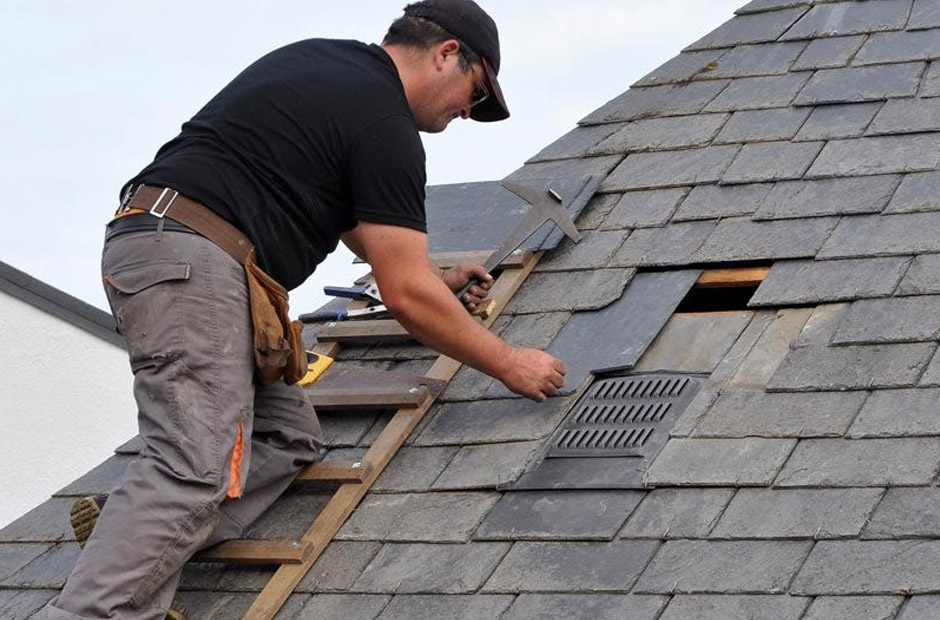
Roof repair professionals have the training and equipment to identify damage that may not be visible during an initial evaluation. A thorough inspection can reveal cracked flashing, deteriorated underlayment, soft decking, punctured membranes, or fastener failures that are difficult to detect from the ground or attic. Inspectors also look for signs of trapped moisture and uneven wear patterns; these indicate long-term water intrusion or ventilation problems.
Identifying these conditions early allows repairs to address both visible damage and hidden weaknesses before moisture intrusion spreads. Early detection also helps prevent the insulation from becoming saturated or structural integrity from being reduced. During an inspection, roofers document the full scope of damage, list required materials, and provide a realistic repair timeline.
Professionals clarify which issues require immediate repair. Such problems include active leaks, sagging sections, exposed decking, or storm-damaged shingles. Certain types of damage can also be scheduled later; minor shingle replacement, flashing adjustments, or sealant renewal are not as pressing. Many established roofing companies also provide 24/7 emergency repair services to address sudden leaks or storm-related safety hazards outside regular business hours, helping limit interior damage and prevent further deterioration while permanent repairs are planned.
Hire a Roof Repair Company Today
When faced with a roofing emergency, responding quickly and correctly helps reduce the extent of damage and the complexity of the repairs. Reliable repair experts will evaluate the damage and let you know if minor repairs or complex replacements are required. Start your search for a roofing repair company today to make sure you are protected in an emergency.