Preparing for a new HVAC installation involves planning steps that help homeowners coordinate access, system placement, and site readiness. Advance preparation may include cleared work areas and confirmed power connections; these help streamline installation by reducing delays between arrival and testing. Here is what to know when preparing for HVAC installation:
Assess System Needs
Before beginning preparations for HVAC installation, you’ll need to assess your heating, ventilation, and air conditioning requirements. For an AC repair, check if the system has a faulty capacitor or a refrigerant leak. Homeowners who experience warm summers should have their furnaces inspected before Fall, since inactivity may cause issues. This allows you to repair any issues before the furnace is needed, so you can have uninterrupted airflow and a comfortable indoor environment.
Larger buildings or residents living in extreme climates may need a system sized and configured for higher demand. Contractors will inspect the model and specifications of your system; this allows them to determine whether it can maintain a consistent temperature. You also need to decide whether you prefer standard operation or enhanced features for controlling temperatures in different rooms.
Prepare Your Home
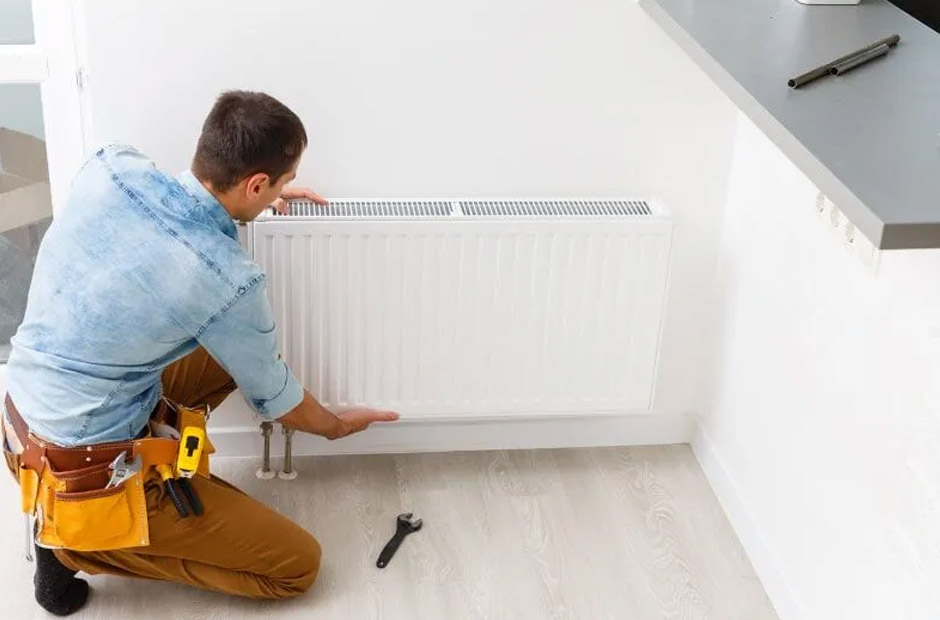
You can identify the areas where the installation team will work, and use duct tape or other materials to seal off the work area. Start by closing nearby doors to prevent dust that might be generated during the installation. Before installation, move furniture and household items out of the way so that technical and appliance technicians have a clear path to enter and exit. Disconnect water, gas, and oil lines in the area to help prevent potential injuries or leaks. Checking electrical circuits and confirming that breakers are labeled and functional can prevent delays and safety hazards during installation.
Learn System Operation and Maintenance
Knowing how to use all the replacement items or a new system supports ongoing maintenance and management. Seeking clarification from the technician on your system allows you to learn how to use it and understand how it operates, and this includes the settings on any digital or smart thermostats. Review what settings enable your furnace replacement to run within its recommended operating range.
Familiarity with the available features from the first day of operation helps you align performance with your comfort preferences and daily routine. Regularly checking filters, vents, and drainage components may prevent minor issues from escalating into repairs. Schedule periodic professional inspections; this helps the system maintain efficiency and meet safety standards over time.
Discuss the maintenance requirements of your new system with the contractor. Tasks involving electrical systems, gas connections, or other hazardous components are handled by HVAC professionals who have appropriate training and certifications. Some HVAC companies use a checklist to verify that your system is thoroughly inspected; the list may include checking for gas leaks, proper airflow, and thermostat operation. The proposed furnace maintenance schedule outlines inspections and service intervals. Staying consistent with that schedule and recognizing early signs that your model is faltering can reduce the likelihood of more complex issues later.
Consult HVAC Installation Experts
Align your needs with a contractor’s workmanship, such as experience with AC maintenance; this can simplify communication during installation. Consulting experts enables you to achieve correct system sizing, code compliance, and long-term efficiency. When you work with skilled professionals, you help reduce the risk of repairs or adjustments later.
Support your contractor by providing auxiliary assistance, and this may include clearing driveways, confirming access to electrical panels, or helping coordinate the delivery of materials to the worksite when appropriate. Selecting an HVAC system that fits your space and coordinating quality installation practices contribute to maintaining indoor comfort across different seasons. Prepare for your HVAC installation in advance to provide an efficient setup and consistent operation over time.