Construction teams deal with constant movement, strict deadlines, and unpredictable site conditions. Strong inventory and storage management help control these challenges by giving teams a clear view of what materials are available, where everything is placed, and how supplies move across active jobs.
A refined approach cuts down on miscommunication, delays, and wasted labor hours. This article walks through practical methods that support better organization and more efficient material handling, starting with the core elements that shape strong inventory control.
Essential Heavy Equipment for Daily Operations
Successful construction planning begins with a thoughtful assessment of material requirements. Teams gain more control when they understand how frequently certain materials are used and how those items fit into each project phase. A careful review of previous jobs helps identify patterns that guide future orders with more accuracy.
Accurate forecasting prevents this issue by aligning procurement with project progress. A well-prepared assessment also protects budgets because it reduces last-minute purchases that often come at higher prices. Construction managers perform better when they have reliable information that supports timely ordering, organized storage, and smoother onsite operations.
Smart Storage Solutions for Tools and Materials
Construction sites evolve rapidly, and fixed storage structures often fail to keep up with shifting layouts. Flexible solutions help teams adapt without disrupting work. Temporary storage zones, modular shelving, and portable compartments create better organization because they move with the project instead of forcing teams to adjust their workflow around rigid setups.
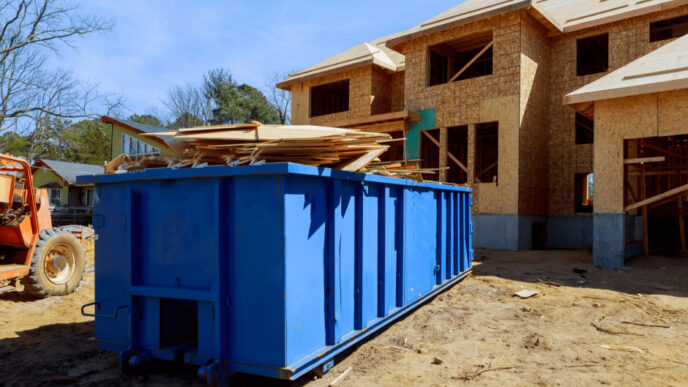
Teams benefit most when storage remains accessible, visible, and easy to maintain. A well-placed mobile solution also prevents unnecessary walking across the site, which can waste time and create safety risks. Introducing mobile storage units into your setup can contribute to a more organized workflow without requiring major changes to existing processes. These units support cleaner pathways, faster material retrieval, and a more predictable environment for workers and equipment operators.
Standardized Material Categorization
Clear categorization helps construction teams locate materials quickly and maintain a tidy storage environment. Many delays occur simply because materials are scattered or arranged inconsistently from one area to another. A standardized system addresses this by assigning each material group a dedicated location, label, and storage method.
Color-coded bins, numbered racks, and clear signage remove guesswork from the retrieval process. Teams spend less time searching when materials follow a predictable structure. A consistent system also supports safer handling because workers know exactly where to find heavy items, fragile products, or tools that require special care. Storage areas stay organized when everyone follows the same classification rules, even during busy stages of a project.
Strong Communication Between Field and Office Teams
Construction operations rely on frequent coordination between field teams and office staff. Confusion often appears when one group updates information that the other group never receives. Teams fall out of sync, and that gap leads to duplicate orders, missed deliveries, or stalled tasks. A smooth communication process prevents these issues and brings both sides closer to shared goals.
Routine check-ins, shared material logs, and simple update channels create more visibility for everyone involved. Field supervisors understand upcoming deliveries, and procurement staff gain a clear view of what the crews actually need. Reliable communication also helps the business maintain accurate records, which improves financial planning and strengthens future decision-making.
Integration of Digital Tracking Tools
Digital tools offer construction teams a dependable way to monitor inventory levels, delivery dates, and supplier activity. Manual tracking often leads to errors or outdated information, especially on larger project sites. Software platforms solve this by giving managers real-time updates that support faster and more confident decisions.
Teams access live dashboards that show what materials have arrived, what remains in storage, and what needs to be reordered. This visibility keeps the entire workflow steady because managers can respond before issues grow into costly delays. Digital tools also support accountability since every update is recorded and easy to review. A clear digital trail simplifies communication and strengthens coordination across departments.
Organized Storage Yard Layouts
Construction yards function well when the layout supports quick access and smooth movement. Many inefficiencies stem from cluttered spaces, poorly marked zones, or materials placed far from the crews that need them. A clear layout solves these problems by creating a logical flow that matches the pace of daily work. Frequently used items belong in spots that require minimal walking or equipment travel. Heavier materials stay close to unloading points so teams do not spend extra time hauling them across the site.
A thoughtful layout also supports safer operations. Predictable pathways reduce the chances of collisions with forklifts or loaders. Workers move confidently when they know where to go and how traffic flows through the yard. Small improvements, such as reorganizing stacks or adjusting the position of bulky items, often create noticeable gains in efficiency.
Routine Material Inspections and Maintenance
Stored materials remain useful only when they are in good condition. Problems such as water exposure, rust, cracks, or deformed packaging lead to waste and disruption. Routine inspections help teams catch these issues early. A simple checklist that covers moisture damage, storage temperature, packaging integrity, and signs of wear keeps the process consistent across all jobs.
Inspections also reveal slow-moving or forgotten items. Construction businesses often discover that certain materials occupy space long after they have lost relevance to the current project. Removing or reallocating unused stock frees up storage capacity and keeps the area manageable.
Strong Supplier Coordination
Suppliers have a direct impact on the pace of construction projects. Reliable coordination keeps deliveries predictable and prevents the last-minute scramble that disrupts schedules. Clear communication helps suppliers plan their routes and timelines with precision. A brief confirmation of quantities, delivery windows, and unloading arrangements gives both sides more confidence.
Good relationships with suppliers also strengthen inventory control because issues can be addressed quickly. Order adjustments, substitutions, or clarification requests move faster when communication remains open. Backup suppliers provide stability during busy seasons or when unexpected shortages affect the primary source.
Optimized inventory and storage practices support smoother construction operations and stronger project outcomes. Clear assessments, flexible storage solutions, standardized categorization, reliable communication, and digital tracking all contribute to better control over materials. Organized yard layouts, consistent inspections, and dependable supplier coordination complete a system that protects resources and helps teams work with confidence.
Construction environments improve when every part of the process supports order and efficiency. These practices encourage steady progress, fewer disruptions, and more predictable workflows. Businesses that refine these areas often see immediate gains in productivity and long-term improvements in cost control and project quality.